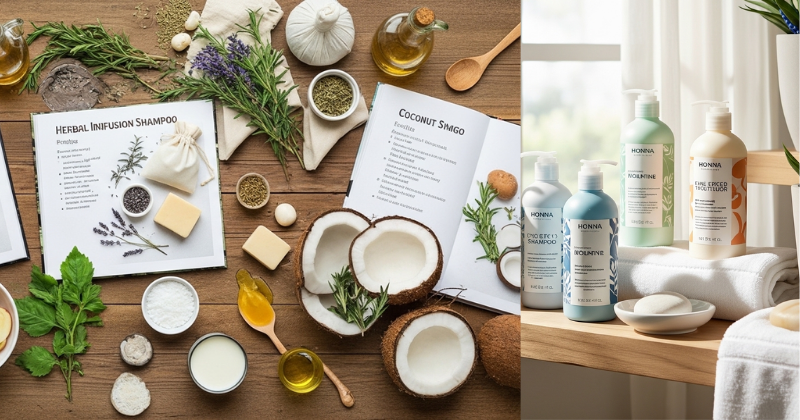
Discover the best natural shampoo recipes to transform your hair care routine. Learn how to create custom, chemical-free cleansers for glowing, healthy hair!
Have you ever flipped over your favorite bottle of store-bought shampoo only to find a long list of ingredients that look more like a high school chemistry final than a beauty product? You aren’t alone. Many of us are becoming increasingly aware of the synthetic sulfates, parabens, and artificial fragrances that can strip our hair of its natural brilliance. Imagine if you could bypass the aisle of plastic bottles and craft your own high-quality hair care right in your kitchen.
By mastering these shampoo recipes, you are choosing a path toward sustainable beauty and personalized wellness. Whether you want to soothe a dry scalp, add voluminous bounce, or simply save money on luxury products, DIY hair care gives you the control. In this guide, we will unlock the secrets to natural surfactants and botanical infusions. You are about to discover how simple it is to achieve professional-level results with ingredients you can trust. Let’s dive into the rewarding world of homemade hair care!
Foundation: Getting Started with DIY Hair Care
Before you start mixing, it is important to build your confidence in how natural cleansing actually works. Many people hesitate to try shampoo recipes because they fear their hair won’t feel “clean” without the heavy suds of commercial products. The truth is, your hair doesn’t need harsh detergents to be healthy; it needs balance.
Understanding the pH Balance
The natural pH of your scalp is slightly acidic, usually around 5.5. Commercial shampoos are often very alkaline, which can lift the hair cuticle and lead to frizz or damage. When you create your own shampoo recipes, you can ensure the pH remains scalp-friendly. This helps the cuticle lay flat, resulting in that elusive natural shine we all crave.
The Role of Surfactants
To get a proper clean, you need a surfactant—a substance that helps water mix with oil and dirt so they can be rinsed away. In the world of DIY, our “hero” ingredient is often liquid castile soap. It is an olive-oil-based soap that is biodegradable and incredibly gentle.
H3: Key Components for Your Recipes
- The Base: Usually water, herbal tea, or aloe vera juice.
- The Cleanser: Liquid castile soap is the most common and reliable choice.
- The Moisturizer: Ingredients like jojoba oil, vegetable glycerin, or honey.
- The Scent: Pure essential oils that also provide scalp benefits.
Step-by-Step: Core Shampoo Recipes for Every Hair Type
Ready to transform your shower experience? These achievable methods break down the process into manageable steps. Remember, since these shampoo recipes don’t contain industrial preservatives, you should make them in small batches.
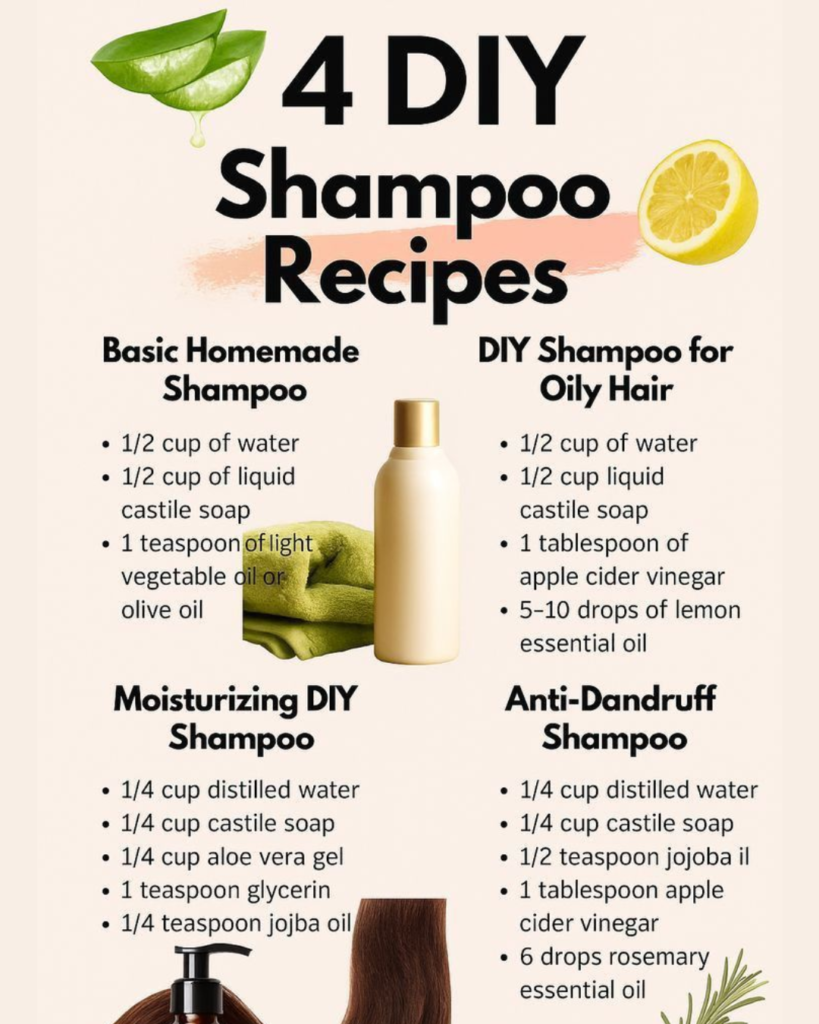
1. The “Everyday Basic” Castile Shampoo
This is the perfect starting point for beginners. It is cost-effective and takes less than five minutes to assemble.
- Ingredients: 1/2 cup water, 1/2 cup liquid castile soap, 1 teaspoon jojoba oil.
- Process: Mix the ingredients in a recycled bottle. Do not shake vigorously—gently swirl to combine.
- Usage: Use a small amount, focusing on the scalp.
2. The Volumizing Coconut Milk Recipe
If your hair feels limp or fine, this recipe uses the proteins in coconut milk to add structure and shine.
- Ingredients: 1/4 cup coconut milk (canned is best), 1/3 cup castile soap, 1 teaspoon Vitamin E oil.
- Process: Whisk the coconut milk and oil first, then slowly fold in the soap.
- Storage: Because of the coconut milk, this recipe must be kept in the refrigerator and used within one week.
3. The Scalp-Soothing Herbal Infusion
For those dealing with itchiness or dandruff, swapping water for a strong herbal tea can be a game-changer.
- Ingredients: 1/2 cup strong peppermint or rosemary tea (cooled), 1/2 cup castile soap, 5 drops of tea tree essential oil.
- Process: Brew your tea double-strength. Once cool, mix with the soap and essential oils.
- Benefit: Peppermint stimulates blood flow, while tea tree acts as a natural antimicrobial.
Advanced Strategies: Pro Tips for Customization
Once you are comfortable with the basics, you can start to experiment and adapt these shampoo recipes to your unique environment and hair goals.
Adjusting for Water Hardness
If you live in an area with “hard water” (high mineral content), you might find that castile-based shampoo recipes leave a slight film. To fix this, simply add a tablespoon of apple cider vinegar to your mix or use a vinegar rinse after washing. This “pro tip” neutralizes minerals and leaves hair incredibly soft.
Creative Essential Oil Blends
Don’t just settle for one scent! You can create complex, spa-like aromas that serve specific purposes.
- For Shine: Lemon and Chamomile.
- For Strength: Cedarwood and Clary Sage.
- For Relaxation: Lavender and Ylang Ylang.
Thickening Your Shampoo
Homemade shampoo is naturally more watery than commercial types. If you prefer a gel-like consistency, you can blend in a small amount of xanthan gum or use a thick aloe vera gel as part of your base. This makes the application process feel much more familiar.
Troubleshooting: Common Challenges
Making the switch to natural shampoo recipes can involve a “transition period” for your hair. Don’t be discouraged by initial setbacks!
- “My hair feels oily/waxy.” This is often your scalp over-producing oil because it’s used to being stripped by chemicals. Give it 2-3 weeks to regulate. An apple cider vinegar rinse is the best solution for this temporary issue.
- “The mixture separated.” This is normal! Since we aren’t using synthetic emulsifiers, the oil may rise to the top. Just give the bottle a gentle swirl before each use.
- “It doesn’t bubble enough.” Bubbles don’t actually clean your hair; surfactants do. You are still getting a deep clean even without a mountain of foam.
- “My scalp is dry.” You may be using too much soap. Try increasing the amount of carrier oil (like almond or jojoba oil) in your next batch to provide more hydration.
Maximizing Results: Next Level Hair Care
To truly build upon your success, look at your hair care holistically. Your homemade shampoo recipes are just one piece of the puzzle.
Maintenance and Storage
Since these recipes are water-based and preservative-free, they can grow bacteria over time. Always use distilled water rather than tap water to extend the shelf life. If you want to make a larger batch, consider adding a natural preservative like Leucidal Liquid or simply store your bottles in a cool, dark place.
Complementary Strategies
Your hair will respond even better if you pair your new shampoo with other natural habits. Consider investigating DIY conditioner bars, natural hair masks, or boar bristle brushing to distribute your hair’s natural oils. These topics can further unlock the potential of your natural beauty routine.
Timing Your Washes
One of the best ways to achieve healthy hair is to wash it less frequently. Natural shampoos are gentle enough for daily use, but by training your hair to go 2-3 days between washes, you allow your natural oils to protect the strands.
Conclusion: Unlock Your Natural Beauty
Stepping away from the “chemical cocktail” of commercial products is an empowering move for your health and the environment. By experimenting with these shampoo recipes, you have discovered how to tailor your hair care to your specific needs, saved money, and reduced plastic waste.
You have the capability to achieve stunning, salon-quality hair using the simple power of nature. Remember, the journey to natural hair is a marathon, not a sprint—be patient with your transition and enjoy the process of discovery. Your hair is a reflection of your care, and with these recipes, that care has never been more authentic.