Discover simple swaps for a non-toxic kitchen to remove harmful chemicals from your home, improve your family’s health, and create a sustainable, eco-friendly cooking space.
Important Disclaimer: This article is for informational purposes only and should not replace professional advice. For health-related topics, consult healthcare providers. For safety procedures, verify current best practices and local regulations. Individual results may vary, and personal circumstances should always be considered when implementing any suggestions.
Have you ever stopped to consider that the heart of your home might be harboring hidden health hazards? We spend a significant amount of time in our kitchens preparing nourishing meals, yet many of the tools and cleaners we use every day contain synthetic chemicals that can leach into our food and air. If the idea of “toxins” feels overwhelming, take a deep breath. Transitioning to a healthier home doesn’t require an overnight renovation. By implementing simple swaps for a non-toxic kitchen, you can systematically remove endocrine disruptors and irritants while discovering the joy of a truly clean environment.
In this guide, you will learn how to identify common culprits in your cabinets and replace them with safer, more sustainable alternatives. We will provide achievable, step-by-step guidance that saves you money and empowers you to make informed choices for your family. This isn’t about perfection; it’s about gradual progress toward a lifestyle that supports your well-being. Get ready to transform your kitchen into a sanctuary of health and unlock the peace of mind that comes with a non-toxic lifestyle!
Foundation: Building Your Non-Toxic Confidence
The first step in creating a healthier space is understanding why these changes matter. Many traditional kitchen products rely on “forever chemicals” (PFAS), phthalates, and bisphenols (BPA/BPS) because they are cheap and convenient. However, once you understand the basic concepts of material safety, you’ll see that natural alternatives are often more durable and effective.
Why Focus on the Kitchen?
The kitchen is the primary entry point for environmental toxins into the human body. Because we heat our cookware and store our food in containers, the risk of “chemical migration”—where substances move from the packaging into the food—is highest here. By making simple swaps for a non-toxic kitchen, you are directly reducing your daily chemical load.
Addressing Common Hesitations
A common concern is the cost of replacing everything at once. Reassurance comes from the “swap as you go” philosophy. You don’t need to throw away every plastic container today. Instead, wait until a non-stick pan is scratched or a plastic tub is stained, and then replace it with a high-quality, non-toxic version. This approach makes the transition financially manageable and sustainable.
Key Components of a Non-Toxic Space
- Inert Materials: Choosing surfaces that don’t react with food (like glass and stainless steel).
- Natural Fragrances: Avoiding synthetic “lemon” or “fresh” scents that contain phthalates.
- Mechanical Cleaning: Using friction and natural acidity instead of harsh degreasers.
Step-by-Step: The Core Swaps to Make Today
Ready to start? Let’s break down the most impactful changes into manageable categories. These steps focus on the items that have the most direct contact with what you eat and drink.
1. From Non-Stick to Cast Iron or Stainless Steel
Non-stick coatings (like Teflon) can release toxic fumes when overheated and leach chemicals into food once the surface is scratched.
- The Swap: Switch to seasoned cast iron, carbon steel, or high-quality stainless steel.
- The Benefit: These materials last a lifetime and, when seasoned correctly, provide a natural non-stick surface that adds beneficial minerals like iron to your diet.
2. From Plastic Storage to Glass and Silicone
Plastic containers, even those labeled “BPA-free,” often contain other bisphenols that can mimic hormones in the body, especially when heated in the microwave.
- The Swap: Invest in glass storage jars or tempered glass containers with silicone lids.
- Actionable Tip: Repurpose old glass sauce jars for a zero-cost, non-toxic storage solution!
3. From Chemical Sprays to DIY Cleaners
Many commercial kitchen cleaners contain ammonia or chlorine bleach, which can irritate the respiratory system.
- The Swap: Create an all-purpose cleaner using equal parts white vinegar and water with a few drops of lemon essential oil.
- Usage: Use this for countertops, sinks, and even the inside of your fridge for a food-safe sparkle.
Advanced Strategies: Expert Tips for a Cleaner Environment
Once you have mastered the basic simple swaps for a non-toxic kitchen, you can take your efforts to the next level with these expert-level insights. These strategies focus on the air you breathe and the water you use.
Mastering the “Clean Air” Routine
Cooking, especially on gas stoves, can release nitrogen dioxide and particulate matter into your home.
- Pro Tip: Always use your range hood or open a window while cooking. Additionally, consider adding “air-purifying” plants like the Spider Plant or Peace Lily to your kitchen windowsill to help filter indoor air naturally.
The Water Filtration Upgrade
While tap water is regulated, it can still contain traces of heavy metals or chlorine byproducts.
- Expert Insight: Move beyond basic pitcher filters to a multi-stage under-sink system or a countertop gravity filter. This ensures the water you use for your morning [Nature’s Flu Shot] or [Golden Milk Latte] is as pure as possible.
Sustainable Dishwashing
Traditional sponges are made of plastic and can shed microplastics into the water system.
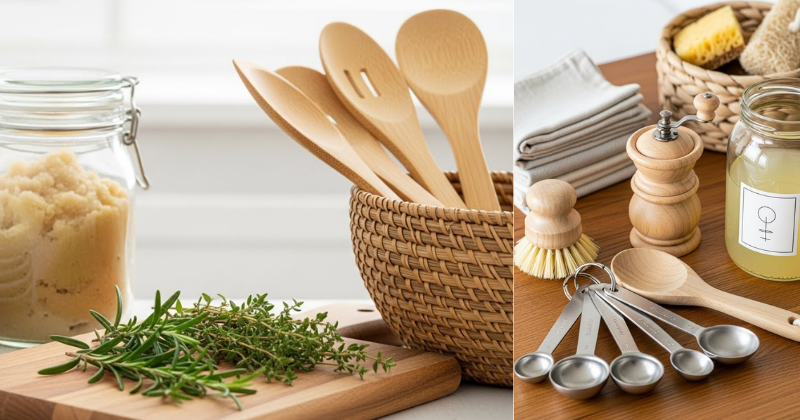
- Creative Solution: Swap to wooden dish brushes with natural sisal bristles or compostable loofah sponges. These are not only non-toxic but also completely biodegradable, helping you achieve a “zero-waste” kitchen.
Troubleshooting: Common Challenges and Solutions
Making the switch can sometimes lead to minor frustrations. Here is how to handle frequent obstacles with encouragement and ease.
“Food keeps sticking to my new stainless steel pans!”
This is the most common complaint when moving away from Teflon.
- The Solution: Use the “Leidenfrost Effect.” Heat your pan first, then add the oil. Wait until the oil is shimmering before adding food. If the food sticks, it usually means it’s not ready to be flipped yet—wait a minute, and it will often release itself!
“My glass containers are too heavy for my work lunch.”
- Alternative Approach: If weight is an issue, look into lightweight stainless steel tiffin boxes. They are shatterproof, light, and perfectly non-toxic.
“I miss the ‘clean’ smell of bleach.”
- Reassurance: That “clean” smell is actually a chemical odor. To refresh your kitchen naturally, try a [simmer pot recipe] with orange peels and cinnamon sticks. You can also use [homemade toilet bombs] with essential oils in the nearby bathroom to keep the whole area smelling great without toxins.
Maximizing Results: Sustainable Lifestyle Changes
To build upon the success of your simple swaps for a non-toxic kitchen, consider the broader ecosystem of your home. A non-toxic kitchen is the cornerstone of a healthier lifestyle.
Maintenance and Long-Term Care
- Wooden Board Care: Don’t let your wooden cutting boards dry out. Rub them with food-grade beeswax or mineral oil once a month to prevent bacteria from hiding in cracks.
- Filter Changes: Set a recurring calendar reminder to change your water and air filters. Success in a non-toxic home is built on these small, consistent maintenance tasks.
Complementary Strategies
Your non-toxic kitchen provides the perfect environment for other wellness habits. Now that your surfaces are clean, it’s the ideal time to try making your own [raspberry lip balm] or preparing an [onion and clove hair mask] without fear of cross-contamination from harsh cleaners.
Featured Snippet: What is the most toxic item in the kitchen?
The most common toxic items in the kitchen are often old, scratched non-stick cookware and plastic containers used for heating food. These can leach PFAS and endocrine-disrupting chemicals into your meals. Swapping these for cast iron and glass is the fastest way to reduce chemical exposure.
Conclusion
Transitioning to simple swaps for a non-toxic kitchen is one of the most empowering things you can do for your health and the planet. You have discovered that you have the capability to succeed in creating a safer environment using achievable, step-by-step methods. By choosing inert materials and natural cleaners, you achieve a level of purity that supports your family’s long-term wellness.
You’ve got this! Start today by looking under your sink or in your pantry and choosing just one item to swap when it runs out. Every small change is a victory for your health. Your kitchen will soon be a place that doesn’t just produce food, but truly nourishes your life.