Zinc is a trace mineral with outsized physiological importance. Although required in relatively small amounts, zinc participates in over 300 enzymatic reactions and influences immune defense, wound healing, DNA synthesis, hormonal regulation, and neurological function. Identifying reliable sources of zinc is therefore fundamental to maintaining metabolic balance and long-term health.
This comprehensive scientific overview explores the most effective dietary sources of zinc, the mechanisms governing its absorption, populations at risk for deficiency, and evidence-based strategies for optimizing intake.
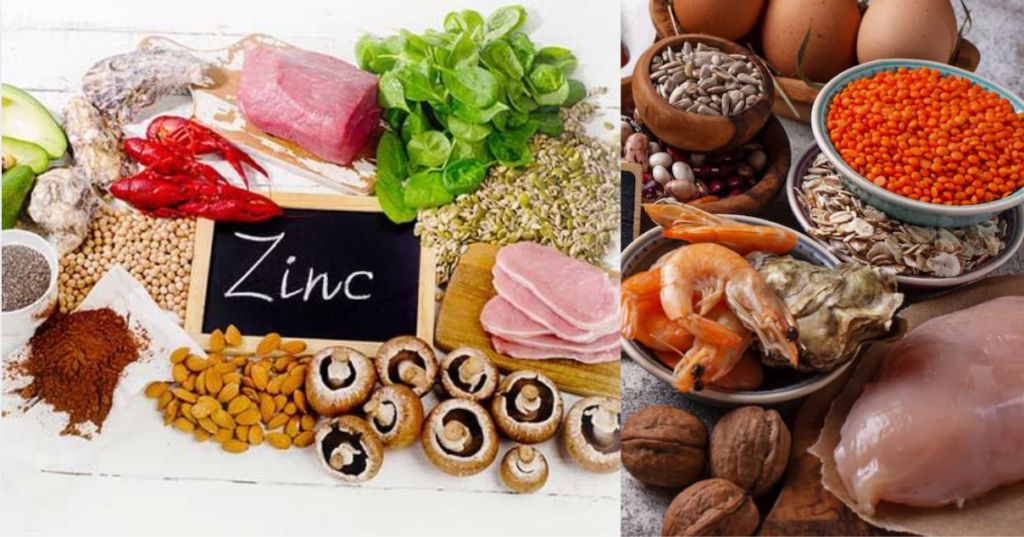
What Is Zinc and Why Is It Essential for Human Health?
Zinc is an essential micronutrient that the body cannot synthesize or store in large quantities, making consistent dietary intake necessary.
H3: Enzymatic and Cellular Roles
Zinc functions as a catalytic, structural, and regulatory cofactor. It stabilizes protein structures, supports gene expression through zinc-finger transcription factors, and facilitates DNA replication and repair.
H3: Immune System Support
Zinc is critical for the development and activation of T lymphocytes, natural killer cells, and macrophages. Even mild deficiency can impair immune responsiveness and increase susceptibility to infection.
H3: Growth and Tissue Repair
During periods of rapid growth—such as childhood, adolescence, and pregnancy—zinc requirements increase. It supports cell division, collagen synthesis, and wound healing.
How Does the Body Absorb and Regulate Zinc?
Understanding zinc bioavailability is crucial when evaluating dietary sources.
H3: Intestinal Absorption
Zinc is primarily absorbed in the small intestine. Its uptake is mediated by specialized transport proteins such as ZIP and ZnT families, which regulate intracellular distribution.
H3: Factors Affecting Bioavailability
Phytates—compounds found in legumes and whole grains—bind zinc and reduce absorption. Conversely, animal protein enhances zinc bioavailability.
H3: Homeostatic Regulation
Unlike fat-soluble vitamins, zinc is not stored extensively. The body regulates levels through adjustments in intestinal absorption and fecal excretion.
What Are the Best Animal-Based Sources of Zinc?
Animal foods provide highly bioavailable zinc and are among the most efficient sources.
H3: Red Meat
Beef and lamb are among the richest sources of dietary zinc. A 100-gram serving of beef can provide approximately 4–5 mg of zinc, contributing significantly to daily requirements.
H3: Poultry
Chicken and turkey contain moderate levels of zinc, offering a leaner alternative to red meat.
H3: Seafood
Oysters are exceptionally high in zinc, often exceeding 30 mg per serving. Crab and lobster also provide meaningful amounts. These sources combine zinc with beneficial omega-3 fatty acids.
Which Plant-Based Foods Provide Zinc?
Plant-based diets can meet zinc needs with careful planning.
H3: Legumes
Chickpeas, lentils, and black beans contain zinc but also phytates, which reduce absorption. Preparation methods such as soaking, sprouting, and fermenting improve bioavailability.
H3: Nuts and Seeds
Pumpkin seeds, sesame seeds, and cashews are concentrated plant sources of zinc. They also provide healthy fats and additional micronutrients.
H3: Whole Grains
Whole wheat, oats, and quinoa contribute to zinc intake, though absorption efficiency varies depending on phytate content.
Vegetarians and vegans may require slightly higher intake due to reduced bioavailability from plant sources.
How Do Dairy and Eggs Contribute to Zinc Intake?
Dairy products and eggs provide moderate but consistent zinc content.
H3: Milk and Cheese
Dairy offers a steady supply of bioavailable zinc while also supporting calcium intake. Cheese contains higher zinc concentrations compared to milk.
H3: Eggs
Eggs provide smaller amounts of zinc but remain valuable as part of a diversified dietary pattern.
Which Populations Are at Risk for Zinc Deficiency?
Despite widespread availability, zinc deficiency remains a global concern.
H3: Vegetarians and Vegans
Higher phytate consumption and absence of animal protein can impair zinc absorption.
H3: Pregnant and Lactating Women
Increased physiological demand raises the risk of insufficiency without adequate dietary planning.
H3: Older Adults
Reduced appetite, medication use, and impaired absorption may contribute to deficiency in aging populations.
H3: Individuals with Gastrointestinal Disorders
Conditions such as inflammatory bowel disease or malabsorption syndromes reduce zinc uptake and increase loss.
Symptoms of deficiency include impaired immunity, delayed wound healing, hair loss, taste alterations, and growth delays in children.
How Much Zinc Is Required for Optimal Health?
Meeting daily requirements is essential for preventing deficiency and avoiding excess.
H3: Recommended Dietary Allowance (RDA)
- Adult men: approximately 11 mg per day
- Adult women: approximately 8 mg per day
Pregnancy and lactation increase requirements.
H3: Upper Intake Level
The tolerable upper intake level for adults is 40 mg per day. Chronic excessive supplementation may interfere with copper absorption and immune function.
How Can You Optimize Zinc Intake Through Diet?
Strategic dietary choices enhance zinc adequacy while maintaining balance.
H3: Combine Plant and Animal Sources
In mixed diets, combining legumes with modest portions of meat improves total zinc absorption.
H3: Use Preparation Techniques
Soaking, fermenting, and sprouting grains and legumes reduce phytate levels, enhancing mineral availability.
H3: Avoid Excessive Supplementation
Whole-food sources are preferable to high-dose supplements unless medically indicated.
What Is the Broader Clinical Significance of Zinc?
Zinc’s role extends beyond immunity and growth.
H3: Cognitive and Neurological Health
Zinc participates in synaptic transmission and neuronal signaling. Adequate levels support cognitive performance and mood stability.
H3: Hormonal Regulation
Zinc influences testosterone production, thyroid hormone metabolism, and insulin storage.
H3: Skin and Wound Healing
Zinc supports collagen synthesis and epithelial repair, making it crucial for skin integrity and recovery from injury.
Conclusion: Building a Zinc-Rich Dietary Pattern
Zinc is a foundational micronutrient that underpins immune competence, cellular repair, metabolic balance, and neurological function. Reliable sources include red meat, seafood—particularly oysters—dairy, legumes, nuts, and whole grains. While animal-based foods provide the most bioavailable zinc, plant-based diets can meet needs through strategic preparation and diversification.
Maintaining adequate zinc intake requires attention to bioavailability, life-stage demands, and dietary balance. A nutrient-dense, minimally processed diet that incorporates diverse zinc sources ensures optimal physiological performance and long-term health.
Important Disclaimer
This article is for informational purposes only and does not substitute professional medical advice. Individuals with chronic illnesses, gastrointestinal disorders, or those considering zinc supplementation should consult a qualified healthcare provider before making significant dietary changes.