
Stop throwing money in the trash with expired food by mastering fridge organization and date label secrets. Discover how to slash waste and save hundreds monthly.
How many times have you reached into the back of your refrigerator only to pull out a fuzzy cucumber or a carton of milk that expired three days ago? It is a frustrating feeling that hits both your conscience and your wallet. If you feel like you are literally tossing twenty-dollar bills into the garbage every week, you are not alone. In fact, the average household wastes thousands of dollars a year on groceries that never get eaten. But what if you could change that starting today?
In this guide, you will learn how to stop throwing money in the trash with expired food by implementing a simple, high-impact system. We are going to unlock the secrets of “first-in, first-out” inventory, decode confusing expiration labels, and discover creative ways to use ingredients before they turn. You have the power to transform your kitchen into a zero-waste zone. Let’s dive into these practical strategies and put that hard-earned money back where it belongs—in your pocket!
Foundation: Understanding the “Why” of Food Waste
Before we can fix the problem, we need to understand the basic concepts that lead to a cluttered fridge and an empty wallet. Most food waste happens because of a lack of visibility and a misunderstanding of what those dates on the package actually mean.
Decoding the Dates
Did you know that “Best if Used By” is rarely about safety? Manufacturers use these dates to indicate peak quality, not the moment food becomes toxic. Understanding this distinction is the first step to ensuring you stop throwing money in the trash with expired food.
- Sell-By: Tells the store how long to display the product.
- Use-By: The last date recommended for the use of the product while at peak quality.
- Expiration: The only date that truly signals a potential safety drop-off (common in baby formula).
The Psychology of Overbuying
We often buy food based on who we want to be (the person who eats five heads of kale a week) rather than who we are (the person who has a busy Tuesday and needs a 15-minute meal). By aligning your shopping habits with your actual lifestyle, you can prevent the cycle of [excessive grocery spending]. Reassurance is key here: it is okay to start small! You don’t need a perfectly stocked pantry to be a great cook.
Key Components of an Efficient Kitchen
- Visibility: If you can’t see it, you won’t eat it.
- Categorization: Grouping like-items to prevent double-buying.
- Rotation: Moving older items to the front.
Step-by-Step: The Zero-Waste Kitchen System
Ready to take action? Follow these manageable steps to overhaul your kitchen and save your cash.
Step 1: The “Eat Me First” Bin
This is the single most effective shortcut to reduce waste. Designate a clear plastic bin in your fridge for items that are nearing their “Best By” date.
- The Action: Every Sunday, scan your fridge. Move the wilting spinach, the half-used onion, and the yogurt expiring in two days into this bin.
- The Result: When you are hungry for a snack or looking for dinner inspiration, you look here first.
Step 2: The FIFO Method (First-In, First-Out)
Professional kitchens use this method to keep food fresh, and you can too.
- The Method: When you come home from the store, don’t just shove the new milk in the front. Move the older carton to the front and place the new one behind it.
- The Timing: This takes an extra 30 seconds during put-away but saves minutes of searching and dollars in waste later.
Step 3: Proper Storage Zones
Your fridge has different temperature zones. Storing food in the wrong place causes it to spoil faster.
- The Door: The warmest part. Use it for condiments, not milk or eggs.
- The Bottom Shelf: The coldest part. Perfect for meat and dairy.
- Crisper Drawers: Use the humidity controls! High humidity for leafy greens; low humidity for fruits that rot easily.
Advanced Strategies: Pro Tips for Food Longevity
Once you have the basics down, you can use these expert-level insights to stretch your food even further.
The “Revival” Technique
Just because a vegetable looks sad doesn’t mean it’s trash.
- Wilting Greens: Submerge limp carrots, celery, or lettuce in a bowl of ice water for 30 minutes. They will crisp right back up!
- Stale Bread: Spritz a loaf with water and pop it in a 350°F oven for five minutes. It will taste brand new.
Creative Ingredient Repurposing
Mastering the art of the “Kitchen Sink” meal is a pro-level way to stop throwing money in the trash with expired food.
- Veggie Scraps: Keep a “Stock Bag” in the freezer. Add onion ends, carrot peels, and herb stems. When the bag is full, boil it with water for free, delicious vegetable broth.
- Overripe Fruit: Don’t toss those brown bananas or mushy berries. Freeze them for [nutrient-dense smoothies] or bake them into muffins.
Featured Snippet: How can I tell if food is still good after the expiration date?
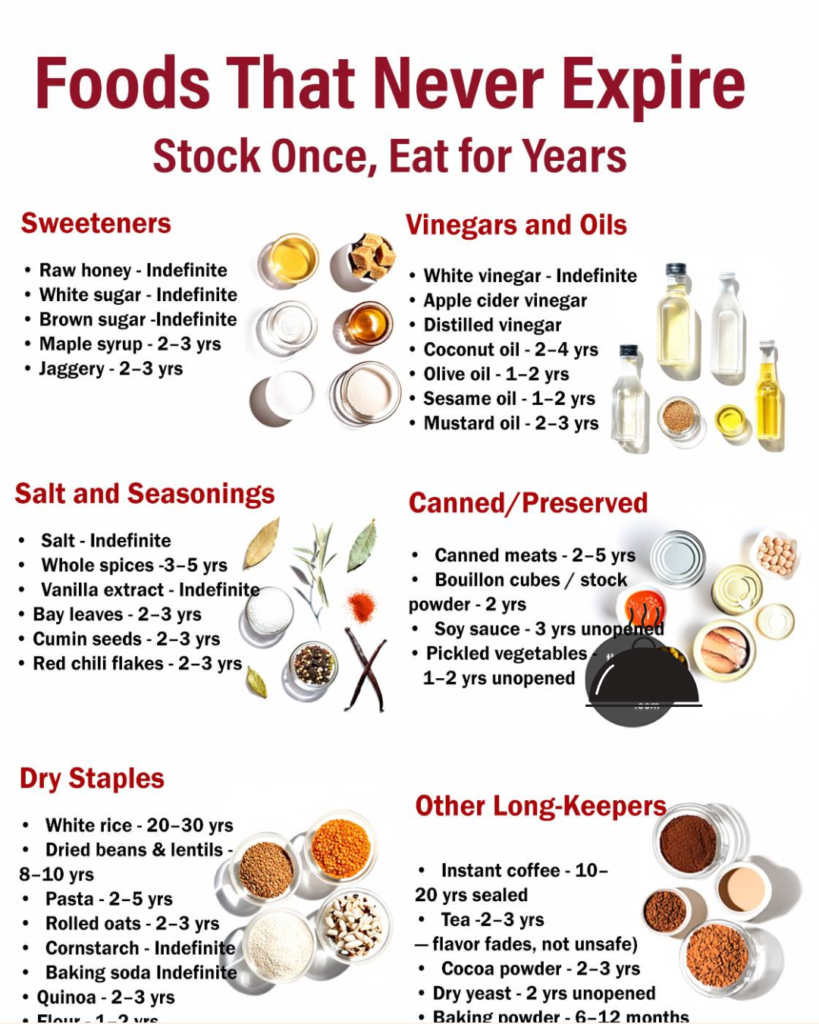
To determine if food is still safe after the “Best By” date, use the “Snell, Sight, and Touch” test. Check for off-odors (sour or ammonia smells), visible mold or unusual color changes, and slimy or tacky textures. Most dry goods like pasta and canned items remain safe for months or years past the date if the packaging is intact, while dairy and meat should be evaluated more strictly within 3-5 days of the date.
Troubleshooting: Overcoming Common Kitchen Hurdles
Setbacks happen, but they don’t have to mean a trip to the dumpster.
“I always forget what’s in my freezer.”
- The Solution: Use a dry-erase marker to write the contents directly on the freezer door (if it’s metal/magnetic) or keep a list on a clipboard nearby.
- The Fix: Label every bag with the date it was frozen. A “Mystery Meat” is almost always a “Wasted Meat.”
“My family keeps opening new boxes of the same snack.”
- The Strategy: Use “Decanting.” Take snacks out of their bulky boxes and put them into clear containers.
- The Benefit: When people can see exactly how much is left, they are more likely to finish the open container before starting a new one. This is a great [home organization tip] that also reduces kitchen clutter.
“I overbought at the bulk store.”
- The Advice: Don’t panic. Partition and freeze. Most things, from shredded cheese to bread and even certain sauces, freeze beautifully. Divide bulk purchases into “family-meal” sizes immediately after shopping.
Maximizing Results: Sustainable Habit Building
To truly stop the cycle, you need to build upon your initial success with long-term considerations.
Inventory Before You Shop
Never go to the store without “shopping your pantry” first. Take a photo of your fridge and pantry shelves with your phone. This prevents you from buying a third jar of mayonnaise when you already have two hiding in the back.
The Power of Meal Planning
You don’t need a complicated 21-day menu. Just pick three or four meals you know you will have the energy to cook. This focus on [mindful consumption] ensures that every item you buy has a “job” to do in your kitchen.
Support Local and Seasonal
Seasonal produce lasts longer because it hasn’t spent weeks on a truck. By shopping at farmers’ markets or joining a CSA, you get fresher food that naturally stays edible for longer in your fridge.
Conclusion
Learning to stop throwing money in the trash with expired food is one of the fastest ways to improve your financial health and reduce your environmental footprint. You have discovered that a few simple shifts—like using an “Eat Me First” bin and understanding date labels—can save you thousands of dollars over time.
You are now equipped with the authority to manage your kitchen like a pro. Start small: go look in your fridge right now and find one item you can save before it spoils. You’ve got the tools, the knowledge, and the capability to succeed!