Dark chocolate isn’t just a delicious treat—it’s packed with nutrients and powerful plant compounds that can support your health. Rich in antioxidants and minerals, dark chocolate has gained attention for its potential benefits for heart health, brain function, and overall wellness.
If you’ve ever wondered whether your favorite chocolate indulgence could actually be good for you, the answer may surprise you. When consumed in moderation and chosen wisely, dark chocolate can be part of a healthy lifestyle. This guide explores the health benefits of dark chocolate, its nutritional profile, and practical tips for choosing the best options. By the end, you’ll understand how to enjoy dark chocolate while supporting your well-being.
Understanding Dark Chocolate and Its Nutritional Value
Before diving into the health benefits of dark chocolate, it helps to understand what makes it different from other types of chocolate.
What Is Dark Chocolate?
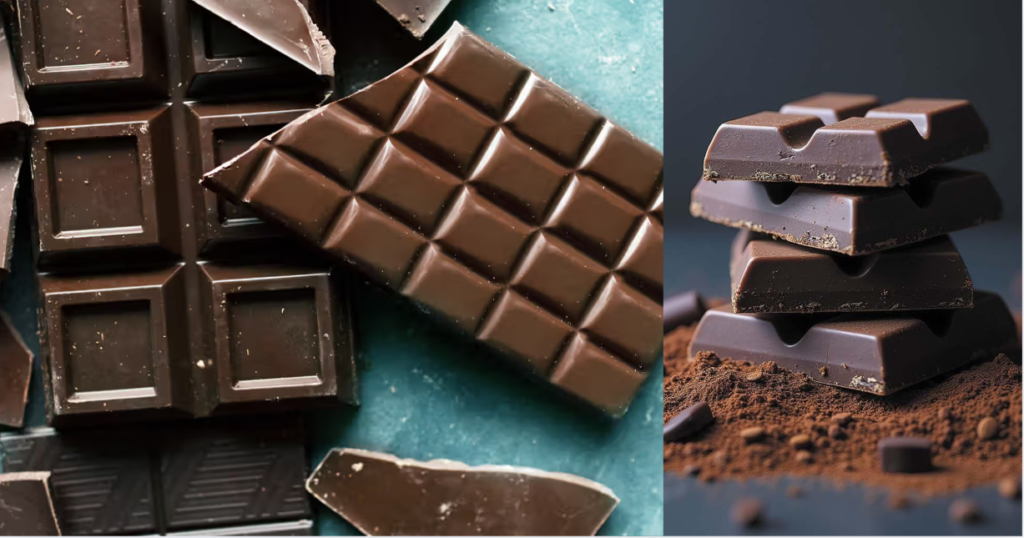
Dark chocolate is made from cocoa solids, cocoa butter, and sugar. Unlike milk chocolate, it contains little to no milk solids and has a higher percentage of cocoa, which gives it a richer taste and higher nutritional value.
Cocoa percentages typically range from 50% to 90%, with higher percentages offering more antioxidants and less sugar.
Key Nutrients Found in Dark Chocolate
Dark chocolate contains several important nutrients that contribute to its health benefits.
Some of the most notable include:
- Iron – supports oxygen transport in the body
- Magnesium – helps with muscle function and relaxation
- Copper – supports immune function
- Manganese – aids metabolism and bone health
Dark chocolate also contains fiber, which supports digestion.
Powerful Antioxidants in Cocoa
One of the most impressive aspects of dark chocolate is its high concentration of antioxidants. Cocoa contains compounds called flavonoids, which help neutralize harmful free radicals in the body.
Studies have shown that cocoa may contain more antioxidant activity than many fruits, including blueberries and acai berries.
How Dark Chocolate Supports Heart Health
One of the most researched benefits of dark chocolate is its potential impact on cardiovascular health.
Improving Blood Flow and Circulation
Flavonoids in dark chocolate help stimulate the production of nitric oxide in blood vessels. This compound relaxes blood vessels and improves blood flow.
Improved circulation can support:
- Lower blood pressure
- Better oxygen delivery
- Improved vascular function
Reducing the Risk of Heart Disease
Several studies suggest that moderate consumption of dark chocolate may lower certain risk factors for heart disease.
Possible benefits include:
- Reduced LDL cholesterol oxidation
- Increased HDL (good) cholesterol
- Improved arterial health
These effects may contribute to long-term cardiovascular protection.
Supporting Healthy Blood Pressure
Dark chocolate may also help support healthy blood pressure levels.
The flavonoids found in cocoa help relax blood vessels, which can improve circulation and reduce strain on the heart.
Other Health Benefits of Dark Chocolate
Beyond heart health, dark chocolate offers several additional wellness benefits.
Brain Health and Cognitive Support
Dark chocolate may support brain function due to its flavonoids, caffeine, and theobromine content.
Potential benefits include:
- Improved blood flow to the brain
- Enhanced focus and mental alertness
- Possible support for memory and learning
Some research suggests cocoa flavonoids may even support long-term cognitive health.
Mood Enhancement
Chocolate has long been associated with mood improvement.
Dark chocolate may help stimulate the release of endorphins and serotonin, chemicals that promote feelings of happiness and relaxation.
This may explain why enjoying chocolate often feels comforting.
Skin Health and Protection
The antioxidants in dark chocolate may also support skin health.
Flavonoids may help:
- Improve skin hydration
- Protect against sun damage
- Enhance skin circulation
While chocolate isn’t a substitute for sunscreen, it may offer additional support for skin wellness.
How to Choose the Healthiest Dark Chocolate
Not all chocolate provides the same benefits. Choosing the right type makes a big difference.
Look for High Cocoa Content
For maximum health benefits, choose chocolate with 70% cocoa or higher.
Higher cocoa content usually means:
- More antioxidants
- Less sugar
- Richer nutritional value
Check the Ingredient List
Quality dark chocolate typically contains just a few ingredients:
- Cocoa mass or cocoa solids
- Cocoa butter
- A small amount of sugar
Avoid products with excessive additives, artificial flavors, or hydrogenated oils.
Choose Minimally Processed Options
Less processed chocolate retains more beneficial compounds.
Look for:
- Organic or fair-trade chocolate
- Dark chocolate with simple ingredients
- Products with minimal added sugar
Troubleshooting: Common Concerns About Dark Chocolate
Although dark chocolate has many benefits, it’s important to consume it wisely.
Calories and Portion Control
Dark chocolate is calorie-dense due to its fat content.
A typical healthy portion is about 1 ounce (28 grams) per day.
Moderation allows you to enjoy the benefits without excess calories.
Caffeine Sensitivity
Dark chocolate contains small amounts of caffeine and theobromine.
People sensitive to caffeine may want to:
- Avoid chocolate late at night
- Choose smaller portions
Added Sugar in Some Products
Some commercial chocolates contain significant amounts of sugar.
To reduce sugar intake:
- Choose chocolate with higher cocoa percentages
- Avoid heavily sweetened chocolate bars
Quick Answer: What Are the Health Benefits of Dark Chocolate?
Dark chocolate offers several potential health benefits when consumed in moderation.
These include:
- Rich source of antioxidants and flavonoids
- Supports heart health and healthy circulation
- May help improve brain function and focus
- Can enhance mood and promote relaxation
- Contains essential minerals like magnesium and iron
Choosing high-quality dark chocolate with at least 70% cocoa provides the most nutritional value.
Maximizing the Benefits of Dark Chocolate
If you want to enjoy dark chocolate as part of a healthy lifestyle, a few simple strategies can help.
Pair Dark Chocolate with Healthy Foods
Combining dark chocolate with nutritious ingredients creates balanced snacks.
Examples include:
- Dark chocolate with almonds
- Dark chocolate with fresh berries
- Dark chocolate mixed into oatmeal
These combinations enhance flavor while adding additional nutrients.
Practice Mindful Indulgence
Instead of eating chocolate quickly, savor it slowly.
Mindful eating allows you to enjoy the rich flavor while naturally limiting portions.
Explore Other Cocoa-Based Foods
You can also enjoy cocoa in different forms, such as:
- Unsweetened cocoa powder in smoothies
- Homemade dark chocolate desserts
- Cocoa sprinkled on yogurt or fruit
These options provide the benefits of cocoa while keeping added sugars low.
Conclusion: Enjoy Dark Chocolate the Smart Way
Dark chocolate proves that indulgence and wellness can go hand in hand. Thanks to its rich supply of antioxidants, minerals, and plant compounds, dark chocolate offers impressive health benefits when enjoyed in moderation.
By choosing high-quality chocolate with a high cocoa percentage and practicing mindful portions, you can turn this delicious treat into part of a balanced lifestyle. From supporting heart health to boosting mood and brain function, dark chocolate offers more than just great taste.
So the next time you reach for a piece of dark chocolate, remember—you’re not just satisfying a craving. You’re also giving your body a small but meaningful boost of nutrition and enjoyment.
Important Disclaimer: This article is for informational purposes only and should not replace professional advice. For health-related topics, consult healthcare providers. Individual results may vary, and personal circumstances should always be considered when implementing any suggestions.