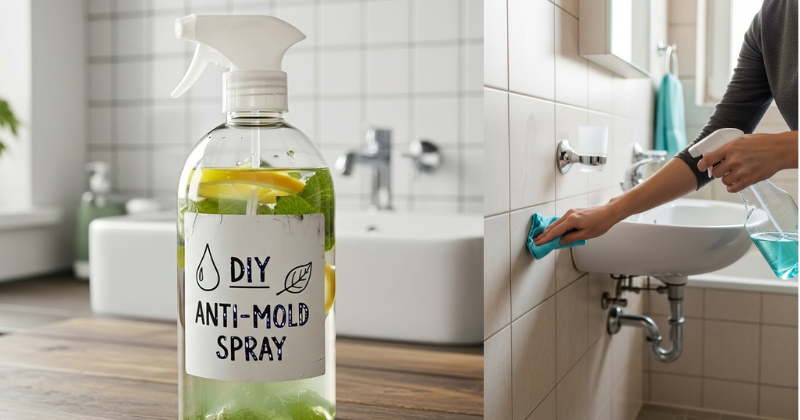
Discover why this DIY anti-mold spray is a must-have for the bathroom and kitchen. Learn to eliminate mold naturally with vinegar and tea tree oil today.
Have you ever walked into your bathroom only to spot those stubborn, dark speckles creeping along the grout of your shower tiles? Or perhaps you’ve noticed a damp, musty smell lingering under your kitchen sink. Mold and mildew are more than just unsightly; they can impact the air quality of your home and make your living space feel less than fresh. While it is tempting to reach for a bottle of harsh, industrial bleach, the fumes can often be as unpleasant as the mold itself. But imagine a solution that is tough on spores yet gentle on your lungs. Today, you are going to discover why this DIY anti-mold spray is a must-have for the bathroom and kitchen.
By making your own cleaning solutions, you are taking an empowered step toward a non-toxic lifestyle. This guide provides achievable, step-by-step guidance to help you create a professional-grade mold fighter using simple ingredients from your pantry. You have the capability to transform your home into a sparkling, healthy sanctuary. Get ready to discover how this natural blend can achieve a total breakthrough for your cleaning routine!
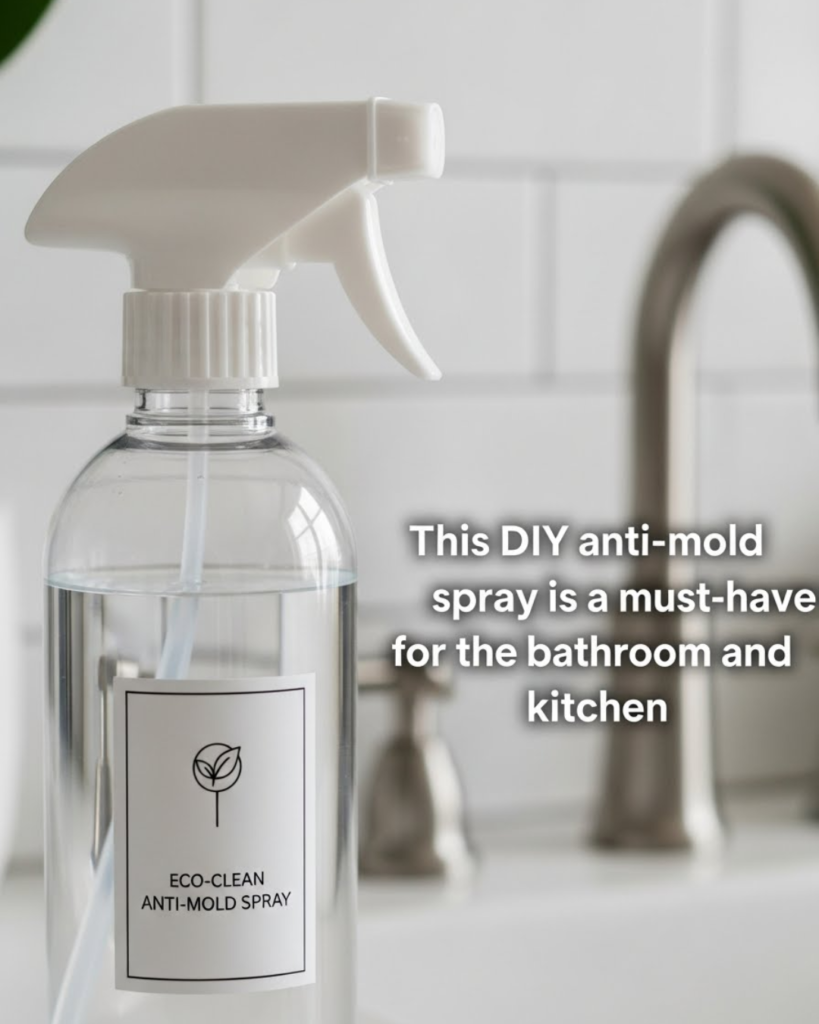
Foundation: Why Natural Ingredients Win Against Mold
Before you start mixing, let’s build your confidence with the basic concepts of natural mold remediation. Understanding how these ingredients work will help you trust the process and see why this DIY anti-mold spray is a must-have for the bathroom and kitchen.
The Power of Acidity
White vinegar is the backbone of many natural cleaners because it is mildly acidic. Research suggests that the acetic acid in white vinegar can effectively kill about 82% of mold species. It penetrates porous surfaces better than bleach, which often only kills the mold on the surface while leaving the “roots” behind.
Nature’s Antifungals
Specific essential oils are not just for scent; they are biological powerhouses. Tea tree oil (Melaleuca) is widely recognized in the scientific community for its potent antifungal and antibacterial properties. When you combine vinegar with tea tree oil, you create a synergistic effect that stops mold spores in their tracks.
Reassurance for Beginners
If you’ve struggled with mold returning after using store-bought cleaners, don’t be discouraged. You are doing a great job by looking for a more sustainable, deep-reaching solution. You have everything you need to succeed right in your cupboard, and the results will leave your home smelling like a botanical garden rather than a chemical lab.
Step-by-Step: Crafting Your Anti-Mold Masterpiece
Ready to protect your home? Follow these manageable steps to mix a batch of the spray that will become your new cleaning favorite.
1. Gather Your Supplies
To make a standard 16oz bottle, you will need:
- 2 cups White Distilled Vinegar: The acidic base.
- 2 teaspoons Tea Tree Essential Oil: The antifungal powerhouse.
- A glass spray bottle: Essential oils can break down plastic over time, so glass is best for long-term storage.
2. The Mixing Process
- Step 1: Pour the vinegar into your glass spray bottle using a funnel to avoid spills.
- Step 2: Carefully add the tea tree oil drops.
- Step 3: Close the bottle and shake vigorously. Note that oil and vinegar will naturally separate, so give it a quick shake before every use.
3. Application and Timing
Spray the mixture directly onto the affected area. Do not rinse it off immediately! For the best results, let it sit for at least an hour. This “dwell time” allows the acid and oil to penetrate the mold colonies.
- Internal Link: While your bathroom is soaking, why not treat yourself? Pair your cleaning day with a Dreamy Lavender Sleep Milk to relax once the work is done.
Advanced Strategies: Pro Tips for High-Moisture Areas
Once you have the basic spray down, use these expert-level insights to customize your approach and handle the most difficult “wet zones” in your house.
The “Double-Whammy” for Deep Grout
If you have mold that has deeply stained your grout, spray the area with your DIY anti-mold spray first. Then, apply a layer of Magic Cleaning Paste (a mix of baking soda and castile soap) over the top. The reaction helps lift the stains while the spray kills the spores.
- Internal Link: Get the full recipe for the Magic Cleaning Paste to tackle those deep kitchen sink stains.
Preventive Maintenance
Don’t wait for the mold to appear! Spray your shower curtain and the corners of your window sills once a week as a preventive measure. The tea tree oil leaves a microscopic barrier that makes it difficult for new spores to take hold.
Featured Snippet: How do you kill mold without bleach?
To kill mold without bleach, use a mixture of undiluted white distilled vinegar and tea tree essential oil. Spray the solution on the moldy surface and allow it to sit for at least 60 minutes. This method is often more effective than bleach because vinegar penetrates porous materials like drywall and wood to kill mold at the root, whereas bleach only treats the surface.
Troubleshooting: Common Challenges and Solutions
Even the best DIY projects can run into obstacles. Here is how to handle them with an empowering mindset:
- “I can’t stand the smell of vinegar”: While the scent is strong when wet, it disappears completely once dry.
- Solution: Add 10 drops of lemon or peppermint essential oil to the mix. This masks the vinegar scent and adds extra cleaning power!
- “The mold is still visible”: Remember, this spray kills the mold, but it doesn’t always “bleach” the stain away.
- Action: Use a stiff brush to scrub the area after the spray has sat for an hour. If the stain remains, use a 3-Ingredient Natural Bleach Alternative to brighten the area safely.
- “It’s not working on my silicone sealant”: Mold behind clear silicone usually requires the sealant to be replaced.
- Prevention: Once you replace the sealant, use this spray daily to keep the new edges mold-free.
Maximizing Results: A Holistic Mold-Free Environment
Now that you have your DIY anti-mold spray, let’s build upon that success by optimizing the air and environment in your home.
Control the Humidity
Mold thrives in moisture. Always run your bathroom fan for at least 20 minutes after a shower, or keep a window cracked to allow for air circulation.
- Internal Link: If your lungs feel heavy from living in a damp environment, try this Herbal Tea Recipe for Lung Detox to help clear your respiratory system naturally.
Clothing and Linens
Don’t let damp towels sit in a heap on the floor. Hang them up immediately or toss them in the wash with a natural booster.
- Internal Link: Learn How to Wash White Towels so they Stay White and free from that musty “sour” smell.
Conclusion: You Have the Power to Protect Your Home
You have now discovered why this DIY anti-mold spray is a must-have for the bathroom and kitchen and, more importantly, you have the achievable steps to make it yourself. You have moved from feeling frustrated by recurring mold to being an empowered home-care expert. By following these methods—utilizing the acidity of vinegar, the antifungal strength of tea tree oil, and allowing for proper dwell time—you have achieved a strategy for a cleaner, healthier household.
The journey to a non-toxic home is a rewarding path of self-care for you and your family. We encourage you to mix your first bottle today and tackle that one corner you’ve been avoiding! You are more than capable of achieving a high-quality, beautiful home using the simple, safe tools nature has provided.