Serotonin, a key neurotransmitter, regulates mood, appetite, and sleep. Certain nutrient-rich foods naturally enhance its production and support emotional well-being.
Maintaining healthy serotonin levels is essential for emotional balance, cognitive function, and overall quality of life. While medications like selective serotonin reuptake inhibitors (SSRIs) are often prescribed for mood disorders, dietary strategies offer a complementary, natural approach. Scientific research highlights the link between specific foods, nutrient intake, and serotonin synthesis, underscoring the potential of nutrition to influence mental health and resilience.
What Is Serotonin and Why Is It Important?
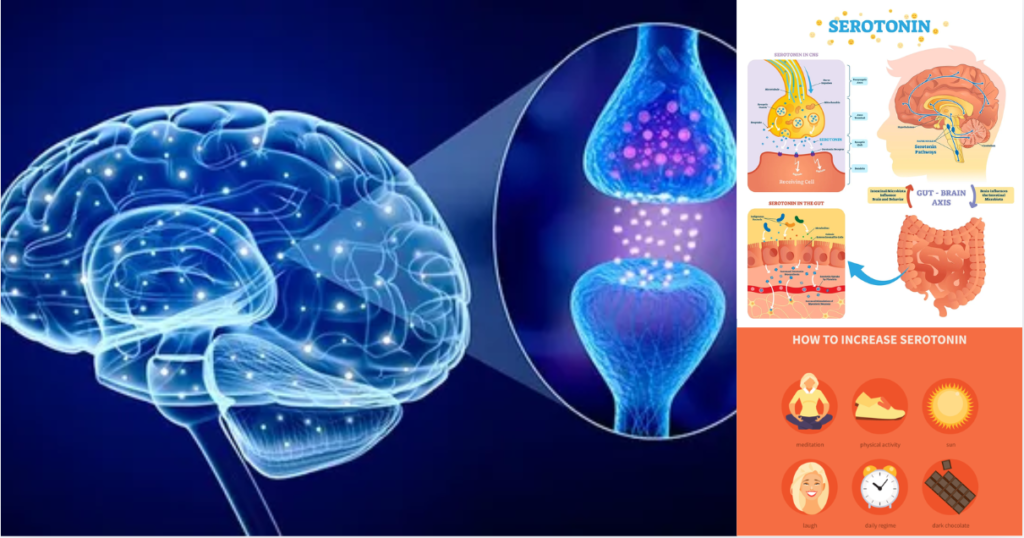
Serotonin is a neurotransmitter synthesized primarily in the brain and gut that plays a pivotal role in regulating:
- Mood and emotional state: Low levels are associated with anxiety, depression, and irritability.
- Sleep and circadian rhythm: Influences melatonin production, essential for restful sleep.
- Appetite and digestion: Modulates satiety signals and gastrointestinal function.
- Cognitive processes: Supports focus, memory, and learning.
Understanding serotonin’s multifaceted role clarifies why dietary interventions can have profound effects on mental and physical health.
How Does Diet Influence Serotonin Production?
Serotonin synthesis relies on the amino acid tryptophan, which the body cannot produce and must obtain from food. Key factors include:
- Tryptophan availability: Found in protein-rich foods like poultry, eggs, and dairy.
- Carbohydrate intake: Insulin release facilitates tryptophan transport to the brain.
- Vitamin and mineral cofactors: Vitamins B6, B12, folate, and magnesium aid conversion into serotonin.
By providing the necessary building blocks, a balanced diet enhances natural serotonin synthesis and neurotransmitter function.
Which Foods Are Rich in Tryptophan?
Incorporating tryptophan-rich foods is a direct way to support serotonin levels:
- Eggs: High in tryptophan and choline, supporting neurotransmitter synthesis.
- Cheese and yogurt: Dairy proteins provide a concentrated source of this essential amino acid.
- Turkey and chicken: Classic examples of protein sources that elevate brain serotonin.
- Nuts and seeds: Almonds, walnuts, and pumpkin seeds contribute tryptophan along with healthy fats.
Combining these foods with complex carbohydrates can further optimize serotonin production.
How Do Carbohydrates Support Serotonin?
Carbohydrates play a complementary role by facilitating tryptophan uptake:
- Whole grains: Oats, quinoa, and brown rice provide a slow-release source of glucose.
- Fruits: Bananas, pineapple, and kiwifruit contain natural sugars that trigger insulin response without spiking blood sugar.
- Legumes: Lentils and chickpeas combine protein and carbs to support steady serotonin synthesis.
Balanced carbohydrate intake ensures efficient delivery of tryptophan to the brain while stabilizing energy levels.
What Role Do Omega-3 Fatty Acids Play?
Omega-3 fatty acids, particularly EPA and DHA, influence neurotransmitter function and receptor sensitivity:
- Fatty fish: Salmon, mackerel, and sardines support neuronal membrane fluidity, enhancing serotonin signaling.
- Plant sources: Flaxseeds, chia seeds, and walnuts provide ALA, which the body partially converts to EPA/DHA.
- Anti-inflammatory effects: Reducing systemic inflammation indirectly supports neurotransmitter balance.
Regular intake of omega-3-rich foods can improve mood regulation and cognitive performance.
Which Micronutrients Are Critical for Serotonin Synthesis?
Vitamins and minerals act as cofactors in enzymatic pathways converting tryptophan into serotonin:
- Vitamin B6: Found in spinach, bananas, and chickpeas; essential for tryptophan hydroxylation.
- Folate: Leafy greens, asparagus, and legumes support methylation reactions in neurotransmitter production.
- Magnesium: Present in nuts, seeds, and dark chocolate; helps regulate stress response and serotonin receptor function.
- Zinc: Shellfish, pumpkin seeds, and lentils contribute to neurotransmission and brain signaling.
Deficiencies in these nutrients can compromise serotonin synthesis and mental health.
How Can Fermented Foods Enhance Mood?
Emerging research highlights the gut-brain axis, linking microbiota health with serotonin production:
- Probiotics: Yogurt, kefir, kimchi, and sauerkraut can enhance gut microbial balance, supporting enteric serotonin synthesis.
- Prebiotics: Foods like garlic, onions, and asparagus feed beneficial gut bacteria.
- Gut serotonin: Approximately 90% of serotonin is produced in the gut, influencing mood, stress response, and cognitive function.
Optimizing gut health complements dietary tryptophan and nutrient strategies for mood regulation.
Which Lifestyle Factors Support Nutritional Serotonin Enhancement?
Diet is most effective when combined with lifestyle practices that naturally boost serotonin:
- Sunlight exposure: Stimulates serotonin synthesis in the brain via light-sensitive pathways.
- Regular physical activity: Exercise increases tryptophan availability and receptor sensitivity.
- Adequate sleep: Supports neurotransmitter recycling and hormonal balance.
- Stress management: Mindfulness, meditation, and relaxation techniques reduce cortisol interference with serotonin pathways.
Integrating diet with holistic lifestyle habits maximizes the mood-lifting benefits of serotonin.
Conclusion
Serotonin is a central mediator of mood, cognition, and well-being. Targeted nutritional strategies—focusing on tryptophan-rich foods, complex carbohydrates, omega-3 fatty acids, key vitamins and minerals, and gut-friendly fermented foods—can naturally enhance serotonin levels. When combined with sunlight exposure, exercise, sleep optimization, and stress management, these habits provide a scientifically grounded approach to supporting emotional health and resilience.
By adopting a nutrient-dense, balanced diet alongside healthy lifestyle practices, individuals can harness the power of natural serotonin enhancement to improve mood, reduce anxiety, and sustain overall well-being.
Disclaimer: This article is intended for informational purposes only and is not a substitute for professional medical advice. Individuals experiencing persistent mood disorders or mental health concerns should consult a licensed healthcare professional