Perimenopause, the transitional phase before menopause, often brings a wide array of physical and emotional changes. Understanding its symptoms can help women navigate this stage with awareness and proactive self-care.
Perimenopause marks the natural decline of reproductive hormones, primarily estrogen and progesterone, leading up to menopause. While this transition is inevitable for all women, the symptoms can vary in intensity and timing. Early recognition and understanding of these signs allow for informed lifestyle adjustments, targeted therapies, and better emotional resilience. This article explores the top symptoms of perimenopause, the underlying hormonal mechanisms, and strategies to manage them effectively.
Section 1: What Is Perimenopause and How Long Does It Last?
Perimenopause is the period leading up to menopause, typically beginning in a woman’s 40s, though it can start in the late 30s.
H3: Hormonal Shifts
During perimenopause, estrogen and progesterone fluctuate unpredictably, causing irregular menstrual cycles, mood changes, and physical symptoms.
H3: Duration and Transition
Perimenopause can last anywhere from 4 to 10 years. The stage ends when a woman has experienced 12 consecutive months without menstruation, marking the onset of menopause.
Understanding this timeline helps women contextualize the changes they are experiencing and plan for supportive interventions.
Section 2: How Do Menstrual Changes Manifest During Perimenopause?
One of the earliest signs of perimenopause is alteration in menstrual cycles.
- Irregular Periods: Cycles may lengthen, shorten, or become unpredictable.
- Heavy or Light Bleeding: Some women experience menorrhagia (heavy bleeding), while others notice lighter flows.
- Skipped Periods: Occasional missed cycles are common due to hormonal fluctuations.
These changes reflect the body’s adjustment to declining ovarian function and variable hormone production.
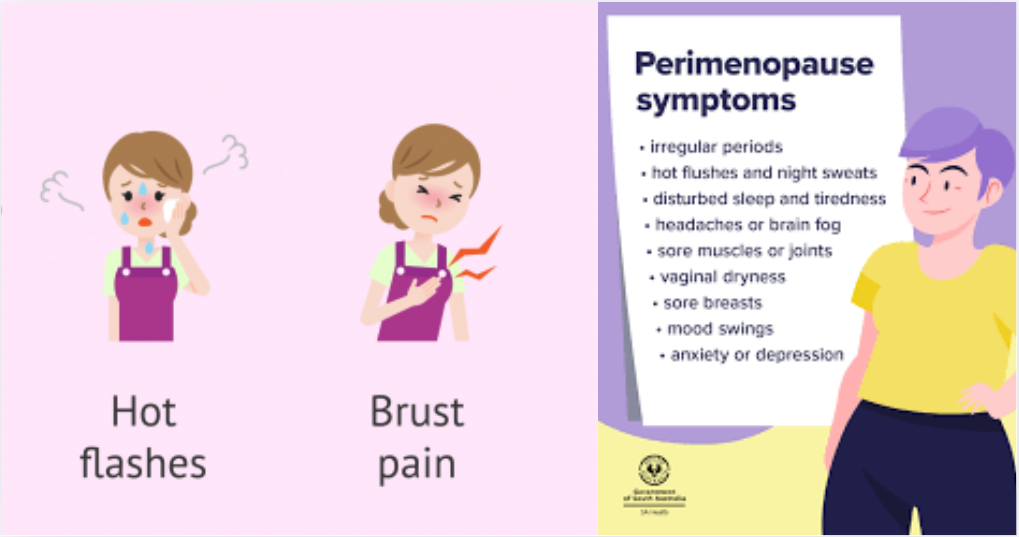
Section 3: What Are the Common Vasomotor Symptoms?
Vasomotor symptoms, primarily hot flashes and night sweats, are hallmark features of perimenopause.
- Hot Flashes: Sudden sensations of heat, often accompanied by flushing and sweating.
- Night Sweats: Intense nighttime sweating can disrupt sleep, contributing to fatigue.
- Triggers: Stress, caffeine, alcohol, and spicy foods may exacerbate these symptoms.
These changes are linked to fluctuating estrogen levels, which affect the hypothalamus’s temperature regulation.
Section 4: How Does Perimenopause Affect Sleep and Energy?
Sleep disturbances are frequent during perimenopause and can have cascading effects on daily functioning.
- Insomnia: Difficulty falling or staying asleep is common.
- Restless Sleep: Night sweats may cause frequent awakenings.
- Fatigue: Disrupted sleep patterns often lead to daytime tiredness, impacting focus and mood.
Addressing sleep hygiene, establishing consistent routines, and managing stress can alleviate these challenges.
Section 5: Which Mood and Cognitive Changes Are Typical?
Hormonal shifts during perimenopause can influence mental health and cognitive function.
- Mood Swings: Rapid changes in estrogen can lead to irritability or emotional sensitivity.
- Anxiety and Depression: Increased risk of anxiety or depressive symptoms may occur.
- Brain Fog: Difficulty concentrating, forgetfulness, and slowed processing are frequently reported.
Understanding these changes helps women distinguish between hormonal influences and other health concerns.
Section 6: How Does Perimenopause Impact Physical Health?
Beyond reproductive and hormonal symptoms, perimenopause affects overall physical well-being.
- Weight Changes: Many women notice weight gain, especially around the abdomen.
- Joint and Muscle Discomfort: Reduced estrogen can lead to decreased collagen and joint lubrication.
- Bone Density: Estrogen decline increases the risk of bone loss and osteoporosis.
Lifestyle interventions such as resistance training, balanced nutrition, and calcium and vitamin D intake are vital.
Section 7: What Are the Genitourinary Symptoms?
Declining estrogen affects the urogenital tract, resulting in various symptoms.
- Vaginal Dryness: Leads to discomfort during intercourse.
- Urinary Changes: Increased frequency, urgency, or susceptibility to infections.
- Pelvic Floor Weakness: Can contribute to mild incontinence or prolapse.
Targeted pelvic exercises, topical estrogen therapy, and adequate hydration can improve quality of life.
Section 8: How Can Lifestyle and Medical Support Help?
Perimenopause is manageable with proactive strategies.
- Nutrition: Emphasize whole foods, phytoestrogens, and adequate protein to support hormonal balance.
- Exercise: Incorporate both cardiovascular and strength training to support bones, muscles, and mood.
- Stress Management: Mindfulness, yoga, and cognitive-behavioral techniques help regulate cortisol and reduce symptom intensity.
- Medical Guidance: Hormone therapy, non-hormonal medications, or supplements can be considered under professional supervision.
Integrating lifestyle and medical strategies allows women to navigate perimenopause with resilience and empowerment.
Conclusion: Navigating Perimenopause with Awareness
Perimenopause is a natural transition that affects every aspect of a woman’s life, from cycles to cognition, mood, and physical health. By recognizing the top symptoms early—menstrual changes, vasomotor disturbances, sleep disruption, mood swings, physical changes, and genitourinary issues—women can implement evidence-based lifestyle modifications and seek appropriate medical guidance. Awareness, proactive self-care, and professional support create a path toward maintaining health, vitality, and emotional balance during this transformative life stage.
Important Disclaimer
This article is for informational purposes only and does not replace medical advice. If you experience significant or concerning perimenopause symptoms, consult a licensed healthcare provider. Individual experiences may vary, and personalized evaluation is recommended.