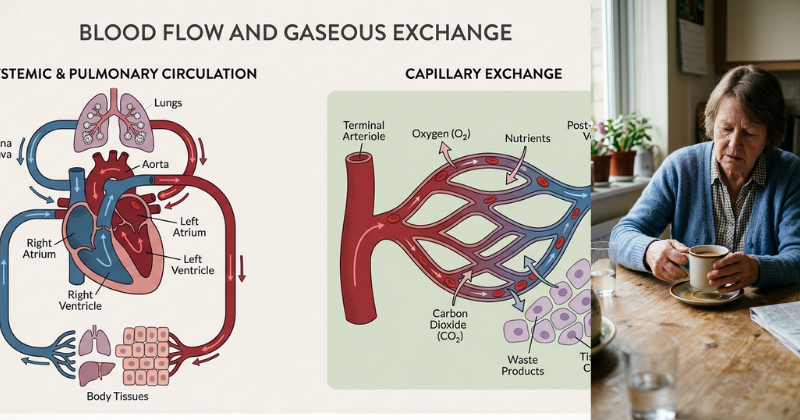
Blood circulation is essential for keeping every organ and tissue in the body functioning properly. The circulatory system delivers oxygen, nutrients, hormones, and immune cells to tissues while also removing metabolic waste products. When blood flow becomes impaired or reduced in certain areas, the body may struggle to maintain these essential processes.
Poor circulation does not always appear suddenly. In many cases, the body shows gradual warning signs such as fatigue, cold extremities, numbness, or slow healing. Understanding how circulation works and recognizing potential signs of reduced blood flow can help individuals take steps to support cardiovascular health.
This article explains what happens inside the body when blood circulation is compromised, the common symptoms associated with reduced blood flow, and lifestyle habits that support healthy circulation.
What Is Blood Circulation and Why Is It Important?
The circulatory system is made up of the heart, blood vessels, and blood. Its primary role is to move blood throughout the body in a continuous loop.
Healthy circulation allows the body to:
- Deliver oxygen to cells
- Transport nutrients from food
- Remove carbon dioxide and metabolic waste
- Support immune responses
- Maintain body temperature
When circulation slows or becomes restricted, tissues may not receive the oxygen and nutrients they require for optimal function.
What Causes Blood Flow Problems?
Several factors can interfere with normal blood flow through arteries and veins.
Common causes include:
- Sedentary lifestyle
- Smoking
- High cholesterol levels
- Excess body weight
- Diabetes
- High blood pressure
- Blood vessel inflammation or narrowing
Over time, these factors can affect the flexibility and structure of blood vessels, which may reduce circulation efficiency.
Cold Hands and Feet
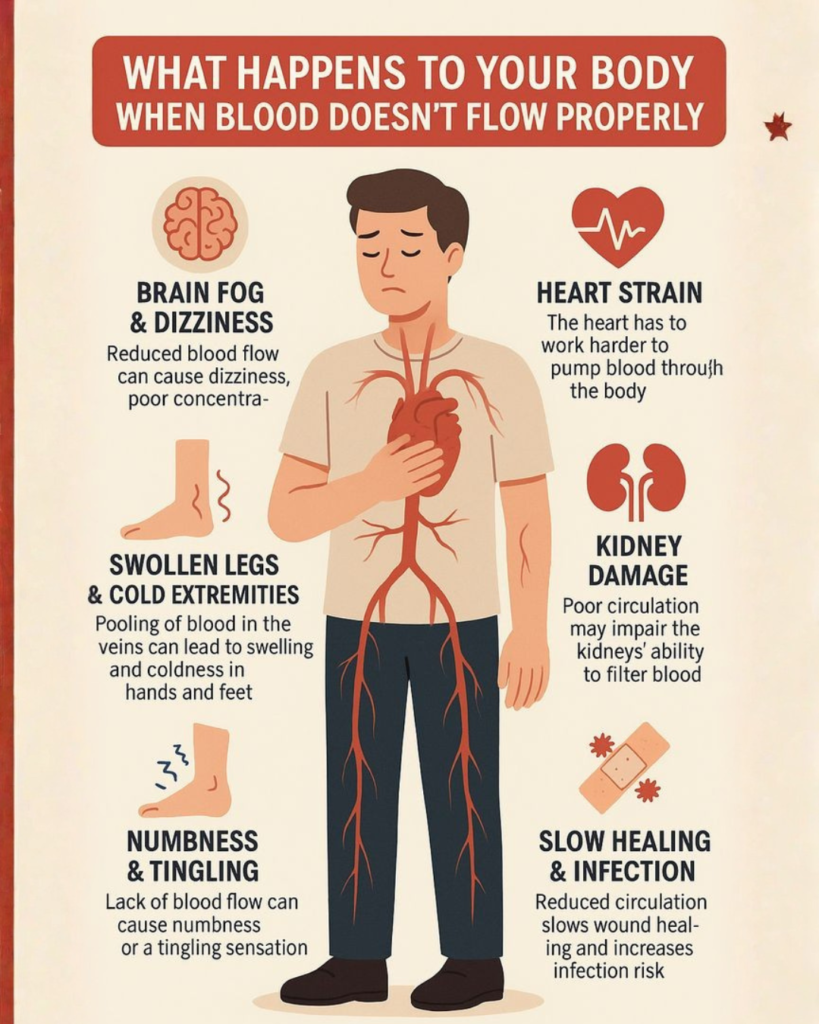
One of the most noticeable signs of reduced circulation is cold extremities, especially in the hands and feet.
Because the body prioritizes vital organs such as the heart and brain, reduced blood flow may first affect the farthest parts of the body.
When circulation decreases in these areas, individuals may experience:
- Cold sensations
- Pale or bluish skin
- Tingling or numbness
These symptoms may become more noticeable in cold environments.
Numbness and Tingling Sensations
Reduced blood flow can affect the nerves that rely on oxygen and nutrients to function properly.
When nerves receive less oxygen, people may experience sensations such as:
- Tingling
- “Pins and needles”
- Temporary numbness
Although these symptoms can also occur from nerve compression, circulation problems can sometimes contribute.
Fatigue and Low Energy
Cells require oxygen to produce energy. When circulation is impaired, tissues may receive less oxygen, which can lead to fatigue or reduced physical stamina.
Some individuals with poor circulation report:
- Feeling tired more quickly
- Reduced exercise tolerance
- General low energy levels
However, fatigue can also have many other causes, including sleep quality and nutritional factors.
Slow Healing of Wounds
The body relies on healthy circulation to deliver immune cells and nutrients needed for tissue repair.
When blood flow is reduced, minor cuts or injuries may take longer to heal because the affected area receives fewer resources needed for recovery.
Slow healing can sometimes be noticed on the legs or feet where circulation may already be reduced.
Swelling in the Legs and Feet
Poor circulation may lead to fluid accumulation in the lower body.
This swelling, sometimes referred to as edema, can occur when blood does not move efficiently through veins and fluid leaks into surrounding tissues.
Common signs include:
- Puffiness in ankles or feet
- Tight or stretched skin
- Shoes feeling tighter than usual
Skin Changes and Discoloration
Reduced circulation can affect how skin appears.
Possible changes may include:
- Pale or bluish skin tone
- Shiny skin on the legs
- Reduced hair growth in affected areas
- Thickened or brittle nails
These changes occur when tissues receive less oxygen and fewer nutrients.
How to Support Healthy Blood Circulation
While certain circulation conditions require medical care, several lifestyle habits can help support cardiovascular health.
Regular Physical Activity
Movement encourages blood flow by helping muscles pump blood through the veins.
Walking, swimming, and stretching can support circulation.
Balanced Nutrition
Eating a diet rich in fruits, vegetables, whole grains, and healthy fats helps maintain cardiovascular health.
Staying Hydrated
Adequate hydration helps maintain proper blood volume and circulation.
Avoiding Long Periods of Sitting
Standing, stretching, or walking periodically helps prevent blood from pooling in the legs.
Maintaining Healthy Weight
A balanced body weight reduces strain on the heart and blood vessels.
When Should Circulation Problems Be Evaluated?
Although occasional cold hands or temporary numbness can occur in healthy individuals, medical evaluation is recommended if symptoms:
- Occur frequently
- Worsen over time
- Are accompanied by pain or severe swelling
- Interfere with normal daily activities
Healthcare professionals can perform tests to assess circulation and identify underlying conditions.
Conclusion
Blood circulation is vital for delivering oxygen, nutrients, and essential compounds throughout the body. When blood does not flow properly, tissues may struggle to function efficiently, which can lead to symptoms such as cold extremities, fatigue, numbness, swelling, and slow healing.
Recognizing these signs early and adopting healthy lifestyle habits—such as regular exercise, balanced nutrition, and maintaining cardiovascular health—can help support efficient circulation and overall well-being.
Persistent symptoms should always be evaluated by a healthcare professional to determine the underlying cause and ensure appropriate treatment.