Your liver works tirelessly behind the scenes, filtering toxins, supporting digestion, and keeping your body balanced. But when your liver becomes unhealthy, the effects can quietly build up—impacting your energy, skin, digestion, and overall health. Understanding what happens when your liver is unhealthy can help you recognize early warning signs and take action before serious complications arise.
Meta Description: Discover what happens when your liver is unhealthy, including key signs, risks, and simple ways to support liver health naturally and effectively.
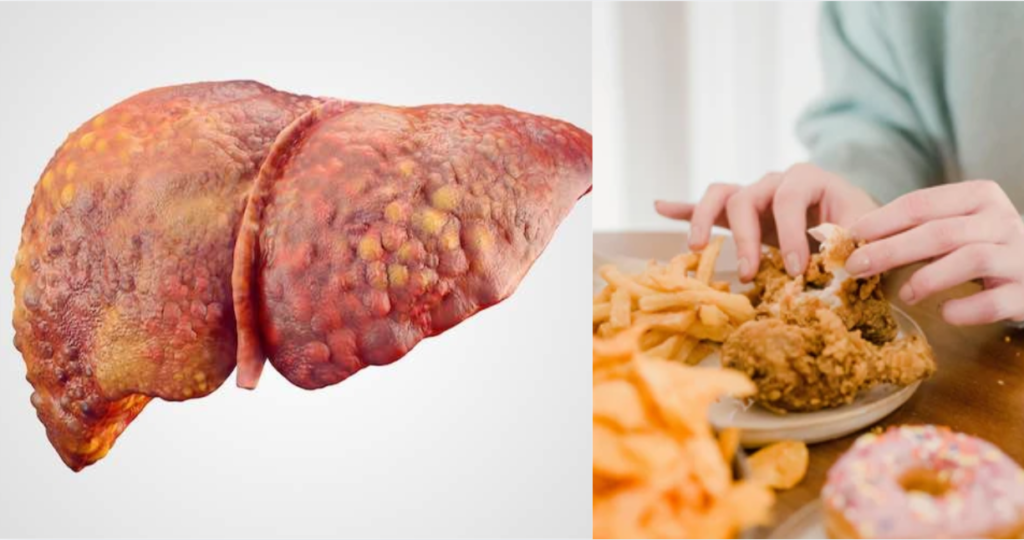
Understanding the Role of Your Liver
Before exploring what happens when your liver is unhealthy, it’s important to understand how vital this organ truly is. The liver is responsible for over 500 essential functions in your body.
Key Functions of the Liver
- Detoxifies harmful substances from food, alcohol, and medications
- Produces bile to aid digestion
- Stores vitamins and minerals like iron and vitamin A
- Regulates blood sugar levels
- Supports metabolism and energy production
Why Liver Health Matters
When your liver is functioning properly, you feel energized, your digestion runs smoothly, and your body maintains balance. But when it’s compromised, toxins accumulate, and your body begins to show warning signs.
Early Signs Your Liver May Be Unhealthy
Recognizing the early signs of liver dysfunction can help you act quickly and protect your health.
Common Warning Symptoms
- Persistent fatigue or low energy
- Unexplained weight gain or loss
- Digestive issues like bloating or nausea
- Yellowing of the skin or eyes (jaundice)
- Dark urine or pale stools
- Itchy skin without a clear cause
Subtle Signs You Might Overlook
- Brain fog or difficulty concentrating
- Increased sensitivity to alcohol or medications
- Hormonal imbalances
- Bad breath or body odor linked to toxin buildup
These symptoms may seem minor at first, but they often signal that your liver is under stress.
What Happens When Your Liver Is Unhealthy? (Featured Answer)
When your liver is unhealthy, it cannot effectively remove toxins, regulate metabolism, or support digestion. This leads to fatigue, toxin buildup, inflammation, digestive problems, and potentially serious conditions like fatty liver disease, hepatitis, or cirrhosis.
Major Risks of Poor Liver Health
If left unaddressed, liver problems can progress into more serious conditions that affect your entire body.
1. Fatty Liver Disease
Excess fat accumulation in the liver can impair its function. This is often linked to poor diet, obesity, or insulin resistance.
2. Inflammation and Liver Damage
Chronic inflammation can lead to liver cell damage, reducing the organ’s ability to regenerate.
3. Cirrhosis
This is a late-stage condition where healthy liver tissue is replaced with scar tissue, severely limiting liver function.
4. Toxin Accumulation
A compromised liver struggles to detoxify the body, leading to buildup of harmful substances that affect the brain, skin, and organs.
Core Methods to Support Liver Health
Taking care of your liver doesn’t require extreme measures. Small, consistent lifestyle changes can make a powerful difference.
Improve Your Diet
Focus on whole, nutrient-dense foods:
- Leafy greens, cruciferous vegetables, and fruits
- Healthy fats like olive oil and nuts
- Lean proteins such as fish and legumes
Reduce processed foods, sugar, and excessive alcohol intake.
Stay Hydrated
Water helps flush toxins and supports metabolic processes. Aim for consistent hydration throughout the day.
Maintain a Healthy Weight
Excess body fat, especially around the abdomen, increases the risk of fatty liver disease. Regular movement and balanced nutrition help maintain a healthy weight.
Advanced Strategies for Optimal Liver Function
Once you’ve built a strong foundation, you can take your liver health to the next level.
Incorporate Liver-Supporting Foods
- Garlic and onions (support detox enzymes)
- Turmeric (anti-inflammatory properties)
- Green tea (rich in antioxidants)
- Beets (support blood purification)
Support Gut Health
Your gut and liver are closely connected. A healthy gut microbiome reduces the burden on your liver. Include:
- Probiotic-rich foods like yogurt
- Fiber-rich foods for digestion
Manage Stress Effectively
Chronic stress impacts hormone balance and inflammation, indirectly affecting liver health. Practices like meditation, walking, and deep breathing can help.
Troubleshooting Common Liver Health Challenges
Even with good intentions, you might face obstacles. Here’s how to handle them.
“I Feel Tired All the Time”
- Check your sleep quality and hydration
- Evaluate your diet for nutrient deficiencies
- Consider reducing caffeine and processed foods
“Healthy Eating Feels Overwhelming”
- Start small: add one healthy meal per day
- Prepare simple dishes with whole ingredients
- Plan meals ahead to avoid last-minute unhealthy choices
“I Don’t See Immediate Results”
- Liver health improves gradually
- Stay consistent with lifestyle changes
- Focus on long-term habits rather than quick fixes
Maximizing Long-Term Liver Health
To truly protect your liver, consistency is key.
- Schedule regular health check-ups
- Limit alcohol consumption
- Avoid unnecessary medications or toxins
- Stay physically active
- Prioritize sleep and recovery
Complementary Topics for Further Reading
- Top 10 Superfoods for Liver Cleansing
- Foods to De-Bloat and Flatten Your Belly
- Benefits of Drinking Hot Water
- Understanding Digestive Health and Gut Balance
- Signs Your Body Is Nutrient Deficient
These topics can help you build a complete wellness routine that supports not just your liver, but your entire body.
Conclusion
Your liver is one of the most powerful organs in your body—but it needs your support to function at its best. By recognizing early signs of liver stress and adopting simple, sustainable habits, you can protect your health and prevent serious complications.
Start today. Choose nourishing foods, stay hydrated, and listen to your body. Small changes can lead to powerful transformations, helping you feel energized, balanced, and in control of your well-being.
Important Disclaimer: This article is for informational purposes only and should not replace professional advice. For health-related topics, consult healthcare providers. Individual results may vary, and personal circumstances should always be considered when implementing any suggestions.