Wondering what’s so bad about sugar? Explore the hidden impacts of refined sugar on your health and discover empowering ways to reclaim your energy and vitality.
Have you ever noticed how a mid-afternoon candy bar makes you feel like a superhero for twenty minutes, only to leave you crashing at your desk shortly after? You aren’t alone. We have all experienced that magnetic pull toward a sweet treat when we are stressed or tired. It feels like a quick fix, but have you ever paused to ask, what’s so bad about sugar? While it tastes like a reward, the way modern processed sugar interacts with our bodies is more complex—and often more damaging—than we realize.
In this comprehensive guide, we are going to peel back the wrapper on the world’s most popular additive. You will discover the hidden ways sugar affects your brain, your heart, and even your skin. But this isn’t about fear; it’s about freedom! By understanding the “why” behind sugar’s reputation, you will unlock the ability to make choices that leave you feeling vibrant and energized. Get ready to transform your relationship with food and achieve a level of wellness you never thought possible. Let’s dive in and see what’s really going on behind that sweet exterior.
Important Disclaimer: This article is for informational purposes only and should not replace professional advice. For health-related topics, consult healthcare providers. For financial or legal matters, seek qualified professional guidance. For safety procedures, verify current best practices and local regulations. Individual results may vary, and personal circumstances should always be considered when implementing any suggestions.
Section 1: The Foundation – Why Sugar is a Modern Challenge
To start our journey, let’s build your confidence with some basic concepts. Not all sugar is created equal. When people ask, “What’s so bad about sugar?” they are usually referring to added sugars—the refined sucrose and high-fructose corn syrup found in sodas, snacks, and even “healthy” salad dressings. Natural sugars found in whole fruits come packed with fiber, which slows down absorption and protects your system.
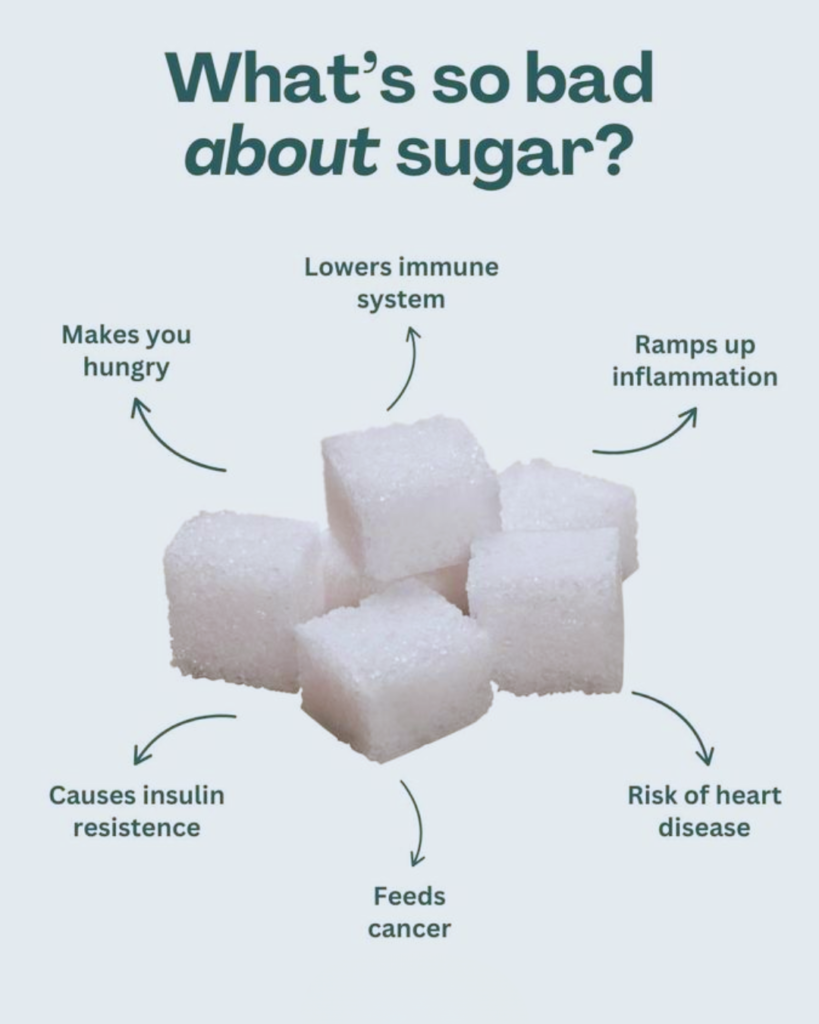
Many people hesitate to cut back because they worry about losing their “quick energy.” However, refined sugar is actually an “anti-nutrient.” It provides “empty calories,” meaning it gives you energy without any vitamins or minerals. Over time, a high-sugar diet can lead to systemic inflammation, which is the root of many modern health concerns. By understanding this foundation, you can stop viewing sugar as a treat and start seeing it as something that requires a bit more balance.
H3: The Insulin Rollercoaster
When you consume refined sugar, your blood glucose spikes. Your pancreas then pumps out insulin to clear that sugar from your blood. This cycle can lead to insulin resistance, where your cells stop responding to the hormone. This is a primary driver for [Type 2 Diabetes Management] and metabolic syndrome.
H3: Sugar and the Brain
Did you know sugar triggers the same reward centers in the brain as certain addictive substances? It releases dopamine, creating a “feel-good” loop that makes you crave more. Understanding this neurological connection helps remove the guilt; it’s not a lack of willpower, it’s a biological response!
Section 2: The Step-by-Step Impact on Your Body
Let’s break down the complex biological processes into manageable stages. When you understand the step-by-step journey sugar takes through your system, it becomes much easier to choose alternatives.
- The Immediate Rush: Within minutes of ingestion, sugar enters the bloodstream. You feel a surge of energy, but your heart rate may also slightly increase as your body prepares to process the fuel.
- The Liver’s Burden: Unlike glucose, which can be used by any cell, fructose is processed almost entirely by the liver. When the liver is overloaded with sugar, it starts turning that sugar into fat. This is a leading cause of [Non-Alcoholic Fatty Liver Disease].
- The Energy Crash: As insulin does its job, your blood sugar drops—often lower than it was before you ate. This triggers hunger and “brain fog,” sending you right back to the pantry for another fix.
- Glycation and Aging: Over time, excess sugar in the blood attaches to proteins in a process called glycation. This creates harmful molecules called “AGEs” (Advanced Glycation End-products) that damage collagen and elastin, leading to premature wrinkles and skin aging.
By visualizing this process, you can see how a single choice cascades through your entire body. It’s a clear roadmap that shows why moderation is so essential for [Sustainable Wellness].
Section 3: Pro Tips for Identifying Hidden Sugars
Once you know what’s so bad about sugar, the next step is finding where it’s hiding. You might be surprised to learn that about 75% of packaged foods in the grocery store contain added sugar. Share these expert-level insights with your family to become a “sugar detective.”
- Learn the Aliases: Sugar has over 50 different names on food labels. Look out for words ending in “-ose” (like maltose or dextrose), as well as “syrups,” “nectars,” and “concentrates.”
- The “Rule of Four”: Check the “Added Sugars” line on the nutrition label. Every 4 grams of sugar equals 1 teaspoon. If a small yogurt has 16 grams of added sugar, you are essentially eating 4 teaspoons of white sugar for breakfast!
- Watch the “Healthy” Hallway: Many granola bars, protein shakes, and green juices are packed with more sugar than a dessert. Always check the label before you assume a product is a [Healthy Snack Alternative].
H3: Creative Swaps and Variations
Don’t just subtract; substitute! If you love a sweet morning coffee, try adding cinnamon or a drop of vanilla extract instead of syrup. These provide “flavor memories” of sweetness without the glucose spike. You can achieve great taste without the toxic side effects.
Section 4: Troubleshooting Cravings and Common Obstacles
Cutting back on sugar can feel like an uphill battle at first. Address these frequent obstacles with these practical solutions and keep your momentum going!
- Problem: “I get massive headaches when I cut back.”
- Solution: This is a common “withdrawal” symptom. Stay hydrated and ensure you are eating enough healthy fats and proteins. Your body is transitioning its fuel source, and the discomfort is usually temporary.
- Pro Tip: Increase your intake of magnesium-rich foods like spinach and almonds to help soothe the nervous system during the transition.
- Problem: “I don’t have time to cook from scratch.”
- Solution: Focus on “assembly” rather than “cooking.” A rotisserie chicken with a bag of pre-washed salad is a sugar-free meal that takes five minutes to put together.
- Problem: “Social situations make it impossible to avoid sugar.”
- Solution: Don’t aim for 100% perfection. Focus on the 80/20 rule. Eat a healthy, protein-rich meal before you go to a party so you aren’t tempted by the dessert table.
Preventive Measures
The best way to stop a sugar binge is to never let your blood sugar get too low. Eating consistent meals with plenty of fiber will keep you steady and make it much easier to say “no” to the donut in the breakroom.
Section 5: Maximizing Results and Next-Level Vitality
To build upon your success, look at how reducing sugar fits into a [Holistic Health Strategy]. When you lower your sugar intake, you aren’t just losing weight; you are unlocking a higher version of yourself.
- Consistent Energy Levels: Without the spikes and crashes, you will find your focus and productivity soar. You’ll be the person with energy to spare at 4:00 PM!
- Clearer Skin and Brighter Eyes: As inflammation subsides, many people notice their skin clears up and the “bags” under their eyes diminish.
- Long-Term Health Protection: You are significantly lowering your risk for heart disease, cognitive decline, and metabolic disorders. This is the ultimate gift to your future self.
- Enhanced Taste Buds: Within just two weeks of lower sugar intake, your taste buds actually change. You will start to discover the natural sweetness in a red bell pepper or a handful of walnuts.
Conclusion: You Have the Power to Choose
Now that you know the answer to “what’s so bad about sugar?”, you are equipped with the knowledge to reclaim your health. This journey isn’t about deprivation; it’s about empowerment. By choosing whole foods and being mindful of hidden additives, you are achieving a state of balance that your body will thank you for every single day.
Summarize your transformative takeaways: understand the insulin response, read your labels like a pro, and be patient with yourself during the transition. You have the capability to succeed and thrive. Remember, every small choice is a win for your vitality. Go ahead—unlock your energy and enjoy the sweetness of a life well-lived!