Bloating can make your stomach feel tight, swollen, and uncomfortable—sometimes seemingly out of nowhere. If you’ve ever wondered why you feel bloated, you’re not alone. Millions of people experience bloating regularly, but the surprising truth is that not all bloating is the same.
In fact, there are several different types of bloating, each caused by unique factors such as digestion issues, hormonal changes, water retention, or food sensitivities. Understanding these differences can help you identify what your body is trying to tell you and choose the best solution.
In this guide, you’ll discover the four most common types of bloating, what causes them, and how to manage them effectively. Once you recognize your bloating type, you’ll be able to take smarter steps to feel lighter, more comfortable, and more in control of your digestive health.
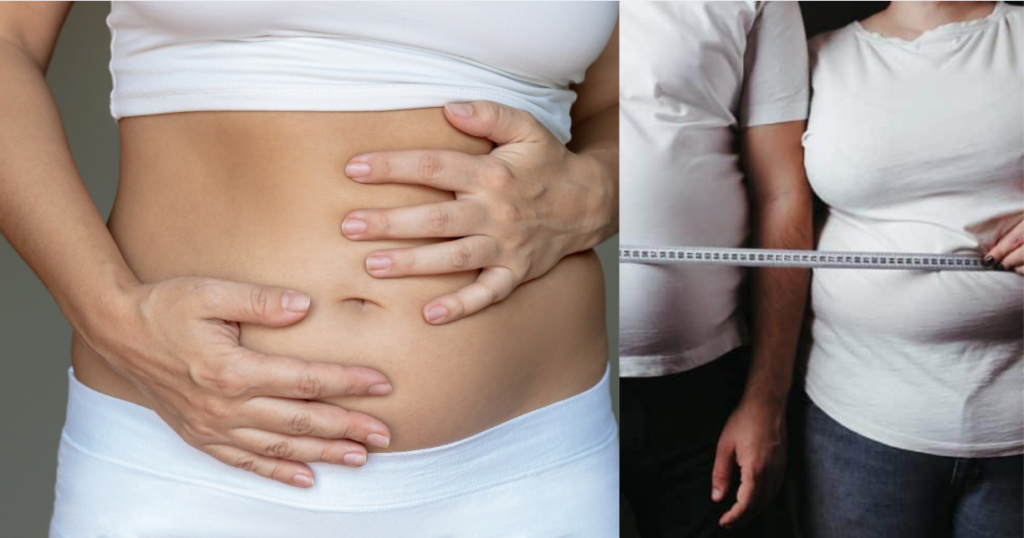
Understanding Bloating: What’s Really Happening in Your Body
Before identifying the different types of bloating, it helps to understand the basics of what bloating actually is.
Bloating usually occurs when gas, fluid, or digestive contents build up in the stomach or intestines. This can lead to a swollen abdomen, pressure, and discomfort.
Common Symptoms of Bloating
Bloating symptoms may include:
- A swollen or distended stomach
- Gas or burping
- Mild stomach pain or pressure
- Temporary weight gain due to water retention
- Feeling overly full after eating
While occasional bloating is normal, frequent or severe bloating can indicate digestive imbalance or lifestyle factors that need attention.
Why Bloating Happens
Several factors can trigger bloating, including:
- Eating too quickly
- High-sodium diets
- Food intolerances
- Hormonal fluctuations
- Gut bacteria imbalance
Understanding what type of bloating you’re experiencing helps you identify the root cause rather than simply treating the symptoms.
The Importance of Listening to Your Body
Your body constantly sends signals about what it needs. Bloating is often a sign that digestion, hydration, or nutrition could use some adjustments.
Learning to recognize these signals empowers you to make healthier choices that support long-term digestive wellness.
The 4 Different Types of Bloating
Not all bloating feels the same. Identifying the type you experience most often can help you find the right solution.
1. Digestive Gas Bloating
Gas bloating occurs when your digestive system produces excess gas during digestion.
What Causes Gas Bloating?
Common triggers include:
- Eating too quickly
- Carbonated beverages
- High-fiber foods eaten too quickly
- Beans, broccoli, and cabbage
When gut bacteria break down certain carbohydrates, they produce gas as a byproduct.
Signs of Gas Bloating
You may notice:
- Frequent burping
- Passing gas
- A tight, swollen stomach after meals
How to Reduce Gas Bloating
Helpful habits include:
- Chewing food thoroughly
- Avoiding carbonated drinks
- Introducing fiber gradually
These changes allow your digestive system to process food more comfortably.
2. Water Retention Bloating
Water retention bloating happens when your body holds onto excess fluid.
Why Water Retention Happens
This type of bloating can be caused by:
- High salt intake
- Dehydration
- Hormonal changes
- Sitting for long periods
Your body sometimes retains water as a protective response to imbalances.
Signs of Water Retention Bloating
Symptoms may include:
- Puffy abdomen or face
- Temporary weight gain
- Swelling in hands or feet
How to Reduce Water Retention
You can help reduce this type of bloating by:
- Drinking more water
- Reducing sodium intake
- Eating potassium-rich foods like bananas and spinach
These steps help your body balance fluids naturally.
3. Food Sensitivity Bloating
Food sensitivity bloating occurs when your body struggles to digest certain ingredients.
Common Food Triggers
Some of the most common triggers include:
- Dairy products (lactose intolerance)
- Gluten-containing foods
- Artificial sweeteners
- Highly processed foods
These foods can irritate the digestive system or disrupt gut bacteria.
Signs of Food Sensitivity Bloating
You may notice:
- Bloating shortly after eating
- Stomach discomfort
- Fatigue or digestive upset
Keeping a food journal can help identify patterns.
How to Manage Food Sensitivities
Strategies include:
- Eliminating suspected trigger foods temporarily
- Gradually reintroducing foods
- Choosing whole, minimally processed ingredients
This approach helps you discover which foods work best for your body.
4. Hormonal Bloating
Hormonal bloating often occurs due to natural changes in hormone levels.
When Hormonal Bloating Occurs
Many people experience this type of bloating:
- Before or during menstruation
- During hormonal fluctuations
- During times of stress
Hormones can influence digestion and fluid retention.
Signs of Hormonal Bloating
Symptoms may include:
- Lower abdominal swelling
- Temporary digestive changes
- Increased water retention
How to Ease Hormonal Bloating
Helpful lifestyle habits include:
- Regular physical activity
- Staying hydrated
- Managing stress levels
These habits help support hormonal balance and digestion.
Advanced Strategies to Reduce Bloating Naturally
Once you identify your bloating type, certain lifestyle habits can help improve digestion overall.
Support Your Gut Microbiome
Healthy gut bacteria play a major role in digestion.
Helpful practices include:
- Eating fermented foods like yogurt or kefir
- Consuming fiber-rich vegetables
- Limiting excessive sugar
A balanced microbiome can reduce gas and improve digestion.
Improve Eating Habits
Simple adjustments can dramatically reduce bloating.
Consider these tips:
- Eat slowly and chew thoroughly
- Avoid large meals late at night
- Drink water between meals rather than during meals
Small changes can make digestion much smoother.
Stay Physically Active
Movement helps stimulate digestion and prevent gas buildup.
Even light activity such as:
- Walking after meals
- Gentle yoga
- Stretching
can reduce bloating and improve gut function.
Quick Answer: What Are the 4 Types of Bloating?
If you’re wondering why you feel bloated, it may fall into one of these four common categories:
- Gas bloating caused by digestive gas buildup.
- Water retention bloating caused by excess fluid in the body.
- Food sensitivity bloating caused by intolerance to certain foods.
- Hormonal bloating related to hormonal fluctuations.
Identifying which type you experience most often can help you choose the right strategies for relief.
Maximizing Digestive Comfort Long-Term
Reducing bloating isn’t just about short-term fixes. Building consistent habits can help prevent future discomfort.
Build Digestive-Friendly Habits
Consider incorporating these habits into your daily routine:
- Eat balanced meals with whole foods
- Stay hydrated throughout the day
- Avoid excessive processed foods
Consistency supports long-term digestive health.
Explore Related Digestive Health Topics
If you want to learn more about digestive wellness, consider exploring related topics such as:
- Foods that improve gut health
- Natural ways to reduce bloating quickly
- How probiotics support digestion
- Healthy eating habits for better digestion
These topics can help deepen your understanding of digestive health.
Conclusion: Understanding Your Body’s Signals
Bloating may feel frustrating, but it’s often your body’s way of communicating important information. By learning the four different types of bloating and what they mean, you gain valuable insight into how your body responds to food, hydration, and lifestyle habits.
Once you recognize the root cause—whether it’s gas, water retention, food sensitivities, or hormonal changes—you can take targeted steps to improve digestion and reduce discomfort.
With a few simple adjustments and greater awareness of your body’s signals, you can feel lighter, more comfortable, and more confident in your daily routine.
Important Disclaimer: This article is for informational purposes only and should not replace professional advice. For health-related topics, consult healthcare providers. Individual results may vary, and personal circumstances should always be considered when implementing any suggestions.