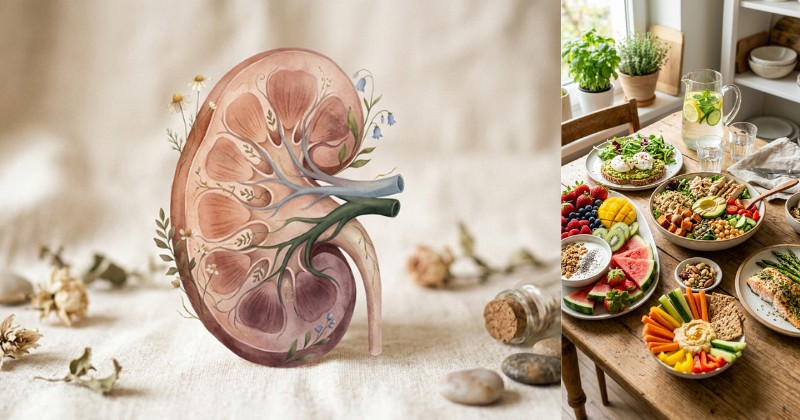
Your kidneys work 24/7 to filter waste, balance fluids, and regulate blood pressure — yet daily habits can silently damage them. Protect them now before it’s too late.
You probably don’t think about your kidneys every day. They’re quiet. They don’t demand attention like headaches or stomach pain. But these two bean-shaped organs filter around 50 gallons of blood daily, removing toxins and maintaining the balance your body depends on.
The problem? Kidney damage often develops silently. By the time symptoms appear, significant function may already be lost. The good news is that small, consistent lifestyle changes can protect your kidneys and support long-term health.
Let’s break down how your kidneys work, what may harm them without you realizing it, and how to strengthen kidney health naturally.
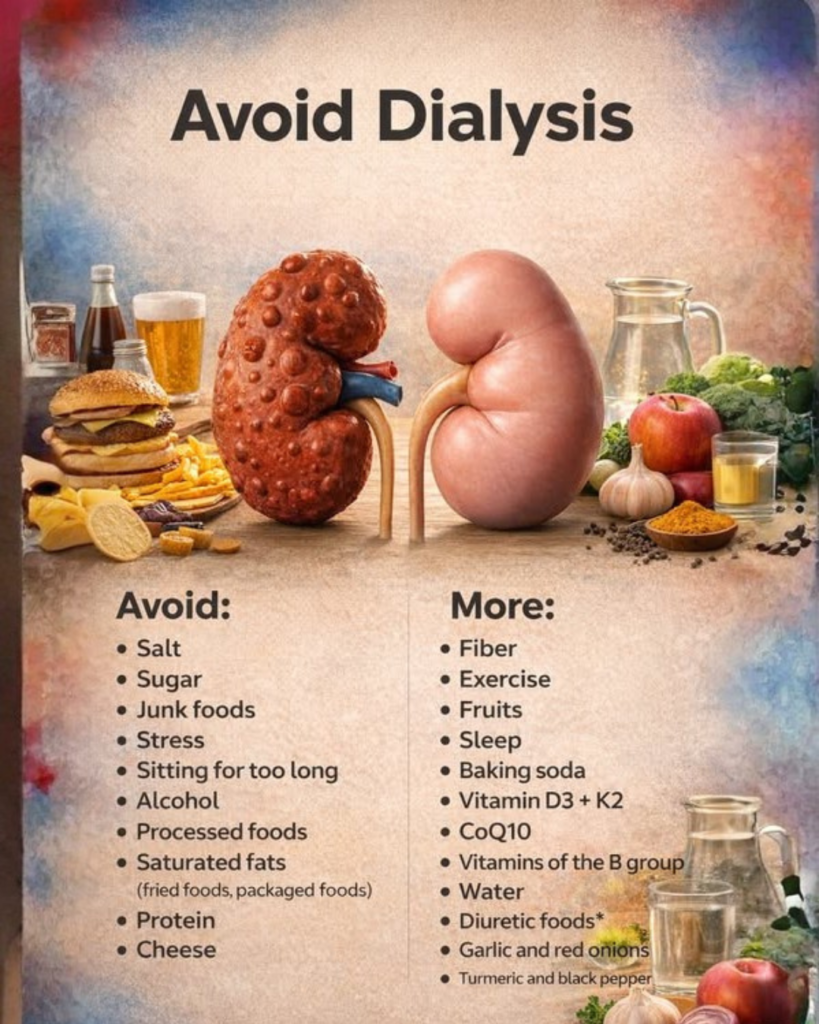
What Do Your Kidneys Actually Do?
Understanding their role helps you protect them better.
According to the National Kidney Foundation, your kidneys are responsible for:
- Filtering waste and excess fluids from blood
- Balancing electrolytes like sodium and potassium
- Regulating blood pressure
- Supporting red blood cell production
- Activating vitamin D for bone health
They are not just “filters.” They are control centers for multiple essential systems.
H3: Why Kidney Damage Is Often Silent
Kidney disease can progress without obvious pain because:
- The kidneys compensate when mildly damaged
- Symptoms appear late
- Early signs are subtle (fatigue, mild swelling, changes in urination)
This is why prevention matters so much.
Everyday Habits That May Be Harming Your Kidneys
You don’t have to engage in extreme behavior to stress your kidneys. Many common habits can contribute over time.
H3: Chronic Dehydration
Not drinking enough water forces your kidneys to work harder to concentrate urine and remove waste.
Signs of poor hydration:
- Dark yellow urine
- Headaches
- Fatigue
- Dry mouth
H3: Excessive Salt Intake
High sodium intake increases blood pressure, which is one of the leading risk factors for kidney damage.
Hidden salt sources include:
- Processed snacks
- Fast food
- Packaged sauces
- Instant noodles
H3: Overuse of Certain Pain Relievers
Frequent use of non-steroidal anti-inflammatory drugs (NSAIDs) can reduce blood flow to the kidneys when used excessively or improperly.
Always follow medical guidance and avoid long-term unsupervised use.
H3: Uncontrolled Blood Sugar
High blood sugar can damage tiny blood vessels in the kidneys over time. This is why diabetes management is crucial for kidney protection.
Natural Ways to Protect Your Kidneys Daily
Now let’s focus on what you can control.
H3: Stay Properly Hydrated
For most healthy adults:
- Drink consistently throughout the day
- Aim for pale yellow urine
Hydration supports toxin elimination and reduces kidney strain.
H3: Eat a Balanced, Whole-Food Diet
Focus on:
- Fresh vegetables
- Fruits
- Lean proteins
- Whole grains
- Healthy fats
Limit ultra-processed foods high in sodium and additives.
H3: Monitor Blood Pressure
High blood pressure damages kidney blood vessels.
Lifestyle steps that help:
- Reduce salt
- Exercise regularly
- Manage stress
- Maintain a healthy weight
H3: Move Your Body Regularly
Exercise improves circulation and supports blood pressure balance.
You don’t need extreme workouts:
- 30 minutes of brisk walking
- Cycling
- Swimming
- Strength training 2–3 times weekly
Consistency matters more than intensity.
Early Warning Signs You Shouldn’t Ignore
Although kidney disease can be silent, some symptoms may appear:
- Persistent swelling in feet or ankles
- Foamy urine
- Frequent nighttime urination
- Ongoing fatigue
- Difficulty concentrating
If you notice these signs, consult a healthcare provider for evaluation.
Can Kidneys Heal Themselves?
This is a common question.
Kidneys have limited regenerative capacity. Mild damage may stabilize with lifestyle changes and medical support, but advanced kidney disease cannot fully reverse. That’s why early prevention is essential.
The earlier you protect your kidneys, the better your long-term outcomes.
Long-Term Kidney Health Strategy
Think in layers:
- Hydration habits
- Blood pressure control
- Blood sugar balance
- Balanced nutrition
- Regular medical check-ups
If you have risk factors like diabetes, high blood pressure, or a family history of kidney disease, regular lab testing is especially important.
When to See a Doctor
Seek professional advice if you experience:
- Severe swelling
- Sudden changes in urination
- Persistent lower back pain
- Blood in urine
- Very high blood pressure
Early evaluation can prevent progression.
Conclusion: Protect What Works for You Every Second
Your kidneys never take a break. They work through the night, during stress, during exercise, during illness. Protecting them doesn’t require extreme measures — just consistent, smart daily choices.
Hydrate. Reduce excess salt. Manage blood pressure. Move your body. Monitor your health markers.
Small habits today can protect your kidneys for decades.
Start now — not when symptoms appear.
Important Disclaimer: This article is for informational purposes only and should not replace professional advice. For health-related topics, consult healthcare providers. Individual results may vary, and personal circumstances should always be considered when implementing any suggestions.