Your feet do more than carry you through life—they’re an intricate map reflecting your body’s overall health. From subtle aches to changes in skin or nails, paying attention to your feet can reveal hidden issues before they escalate. By understanding these signals, you can take proactive steps to improve wellness, prevent injury, and enhance mobility.
Meta Description: Discover what your feet reveal about your health, from pain and posture to nail and skin changes, and learn how to respond effectively.
Understanding the Connection Between Feet and Body
Your feet are complex structures with 26 bones, over 30 joints, and more than 100 muscles, tendons, and ligaments. They bear the weight of your body, absorb impact, and influence posture and balance. Because of their critical role, foot changes often reflect broader health issues.
Why Feet Reflect Overall Health
- Circulation problems: Cold or discolored feet may indicate vascular issues.
- Nerve health: Tingling, numbness, or burning sensations can signal neuropathy.
- Nutritional deficiencies: Brittle nails or cracked skin can be linked to inadequate nutrients.
- Structural alignment: Flat feet, high arches, or gait changes can affect knees, hips, and back.
Recognizing these connections empowers you to act early, preventing minor foot issues from turning into chronic conditions.
Common Foot Signals and Their Meanings
Your feet communicate through pain, texture changes, and visible deformities. Paying attention to patterns can guide you toward better health.
Pain and Discomfort
- Heel pain: Often related to plantar fasciitis or inflammation from repetitive stress.
- Ball of foot pain: Could indicate metatarsalgia or improper footwear.
- General soreness: May reflect poor circulation or overuse.
Skin and Nail Changes
- Discoloration: Blue or purple toes can indicate circulation issues; yellow nails may hint at fungal infections.
- Dry or cracked skin: Could suggest dehydration, nutrient deficiencies, or thyroid concerns.
- Swelling or redness: May indicate infection, inflammation, or vascular issues.
Structural Signals
- Flat feet: Can contribute to knee or back pain.
- High arches: May cause instability and increase risk of ankle injuries.
- Bunions or toe deformities: Often genetic or due to prolonged pressure from shoes.
How to Monitor and Maintain Foot Health
Proactive monitoring of your feet can prevent complications and enhance mobility.
Daily Foot Check
- Inspect for cuts, blisters, or discoloration.
- Check nails for thickness, brittleness, or fungal infections.
- Observe swelling or unusual lumps.
Proper Footwear
- Choose supportive shoes with adequate arch support.
- Avoid tight or narrow footwear that can deform toes.
- Rotate shoes to prevent pressure points.
Hygiene and Moisturization
- Wash and dry feet thoroughly to prevent fungal infections.
- Apply moisturizer to keep skin supple, avoiding areas between toes.
- Trim nails straight across to prevent ingrown toenails.
Advanced Strategies for Foot Wellness
Foot Exercises
- Toe curls and stretches strengthen muscles and improve circulation.
- Heel raises enhance arch support and balance.
- Ankle rotations promote flexibility and reduce stiffness.
Professional Support
- Podiatrists can address persistent pain, nail issues, or gait problems.
- Orthotics provide customized support for structural anomalies.
- Regular check-ups help identify early signs of diabetes-related foot problems or neuropathy.
Complementary Practices
- Massage and reflexology improve circulation and relieve tension.
- Warm water soaks with Epsom salts can reduce inflammation and relax muscles.
- Maintaining healthy body weight reduces pressure on feet and joints.
Troubleshooting Common Foot Challenges
Even with diligent care, foot problems can arise. Here’s how to address them:
Persistent Pain
- Reassess footwear for support and cushioning.
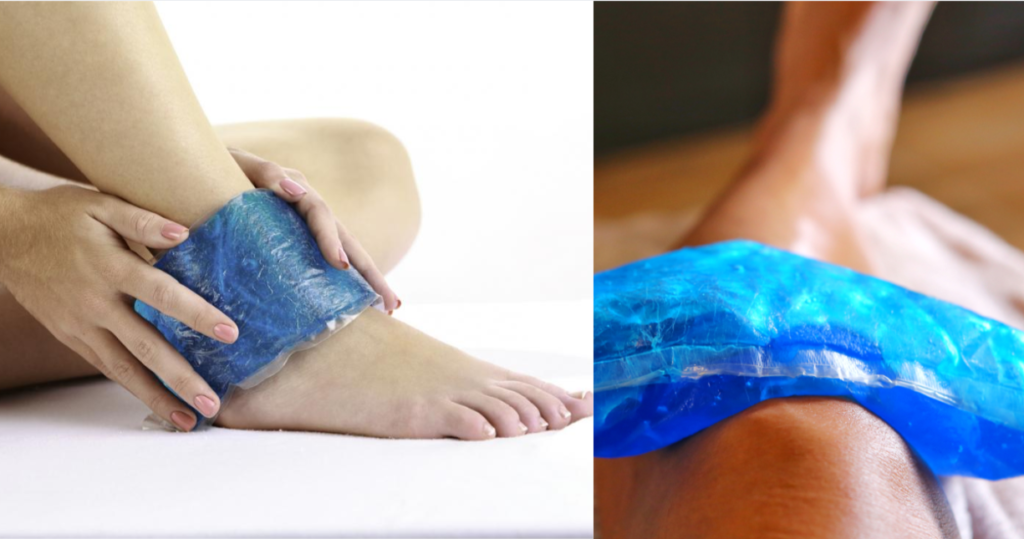
- Apply ice or heat depending on inflammation or stiffness.
- Seek medical evaluation for persistent discomfort.
Swelling and Circulation Issues
- Elevate feet above heart level periodically.
- Wear compression socks if recommended.
- Monitor for signs of vascular disease or deep vein thrombosis.
Nail and Skin Problems
- Treat fungal infections promptly with antifungal creams.
- Keep feet dry and clean to prevent recurring issues.
- Address cracks or sores early to avoid infection.
Maximizing Foot Health for Overall Wellness
To unlock the full potential of healthy feet:
- Maintain consistent exercise and stretching routines.
- Ensure balanced nutrition for nails and skin health.
- Combine foot care with holistic wellness practices like posture correction and hydration.
- Educate yourself about early warning signs to prevent complications.
Related Topics to Explore
- Quick Remedies Your Doctor Might Not Mention
- Top Foods to Support Liver Health and Detox
- Essential Energy Foods for Daily Vitality
- Understanding Chronic Throat Mucus and Sinus Health
These topics complement foot care by supporting overall body health, recovery, and energy levels.
Conclusion
Your feet are silent messengers, offering clues about circulation, nerve health, and structural alignment. By paying attention to pain, nail and skin changes, and overall foot comfort, you can catch potential health issues early and improve your quality of life. Daily monitoring, proper footwear, exercises, and professional guidance transform foot care into a cornerstone of overall wellness.
Empower yourself today—listen to your feet, act on their signals, and step confidently toward a healthier, more active life.
Important Disclaimer: This article is for informational purposes only and should not replace professional advice. For health-related topics, consult healthcare providers. Individual results may vary, and personal circumstances should always be considered when implementing any suggestions.