Your hair is more than just strands—it’s a reflection of your overall hair health and care routine. Understanding your hair’s porosity is the first step to achieving optimal moisture, shine, and manageability. Paired with the right oils, knowing your hair type can transform your hair care game, helping you prevent dryness, breakage, and frizz while promoting healthy growth.
Meta Description: Discover your hair’s porosity and learn how to match the perfect oils for stronger, healthier, and more manageable hair.
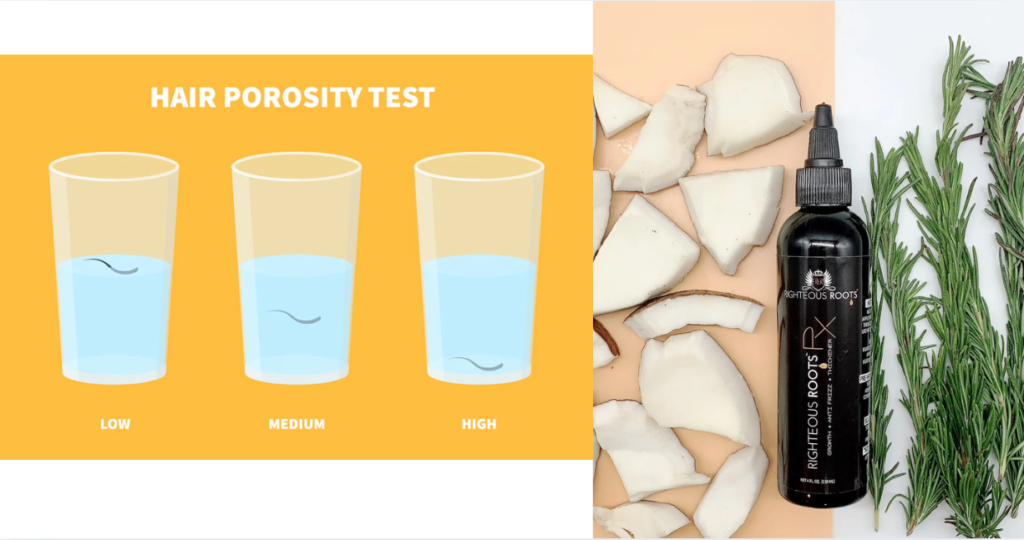
Understanding Hair Porosity
Hair porosity refers to your hair’s ability to absorb and retain moisture. It’s determined by the structure of the hair cuticle, which acts like a protective layer around your hair shaft. Identifying your hair porosity is essential to choosing oils that penetrate effectively and maintain hydration.
The Three Porosity Types
- Low Porosity
Hair with tightly closed cuticles that resist moisture absorption. - Medium/Normal Porosity
Hair that absorbs and retains moisture efficiently, requiring minimal specialized care. - High Porosity
Hair with raised or damaged cuticles, prone to frizz, tangling, and moisture loss.
How to Test Hair Porosity
- The Float Test: Drop a clean hair strand in water. Low porosity hair floats, medium porosity hair slowly sinks, and high porosity hair sinks quickly.
- The Slip ‘n’ Slide Test: Slide your fingers along the strand. Smooth hair suggests low porosity, while rough, bumpy texture indicates high porosity.
Understanding your hair’s porosity empowers you to select oils that match its needs, preventing trial-and-error frustration.
Matching Oils to Your Hair Porosity
Using the right oils ensures your hair absorbs nutrients and maintains moisture. Each porosity type benefits from specific oils with targeted properties.
Low Porosity Hair
- Best Oils: Argan oil, grapeseed oil, jojoba oil.
- Why It Works: Lightweight oils easily penetrate tightly bound cuticles without weighing hair down.
- Tips: Apply oils after heat or steaming treatments to open the cuticles for better absorption.
Medium/Normal Porosity Hair
- Best Oils: Coconut oil, olive oil, almond oil.
- Why It Works: Balanced oils help maintain natural moisture without overloading the hair shaft.
- Tips: Use oils as part of pre-wash treatments or as a finishing touch for shine and smoothness.
High Porosity Hair
- Best Oils: Castor oil, avocado oil, shea butter-based oils.
- Why It Works: Heavier, nutrient-rich oils seal cuticles and prevent moisture loss.
- Tips: Combine with deep conditioning treatments to strengthen fragile strands and reduce breakage.
Applying Oils Effectively
Even the right oil won’t deliver results if applied incorrectly. Proper techniques maximize absorption and benefits.
Pre-Wash Treatments
- Apply oil to dry or slightly damp hair.
- Cover with a warm towel or shower cap for 30–60 minutes.
- Wash with sulfate-free shampoo to prevent stripping.
Leave-In Moisturizers
- Mix a few drops of oil with water or your leave-in conditioner.
- Focus on ends, which are most prone to dryness.
- Avoid heavy application on the scalp for low porosity hair.
Overnight Treatments
- For high porosity hair, apply rich oils before bed.
- Cover with a silk scarf or bonnet to lock in moisture.
- Wash or rinse in the morning for maximum hydration.
Advanced Strategies for Hair Growth and Strength
Combining oil use with other hair care practices enhances results.
Scalp Health
- Regular scalp massages with oils stimulate blood circulation.
- Tea tree or peppermint oils mixed with carrier oils can improve scalp health.
Protective Styling
- Braids, twists, and buns reduce exposure to environmental stress.
- Oils maintain hydration in protective styles without heavy buildup.
Heat and Environmental Protection
- Lightweight oils act as barriers against UV rays and pollution.
- Use before styling to prevent heat damage and moisture loss.
Troubleshooting Common Hair Oil Challenges
Even with the right oils, hair care challenges can occur.
Oily or Greasy Hair
- Reduce oil quantity or frequency.
- Focus on mid-lengths and ends, avoiding the scalp for low porosity hair.
Product Buildup
- Clarify hair once a month with gentle cleansing shampoos.
- Rotate between heavier and lighter oils depending on porosity and hair condition.
Breakage and Split Ends
- Focus on high-porosity hair with deep conditioning and sealing oils.
- Trim regularly to prevent splits from spreading.
Maximizing Hair Health with Oils
To achieve long-term hair vitality:
- Customize your oil blend to match porosity and hair needs.
- Incorporate oils into a consistent hair care routine including moisturizing, conditioning, and protective styling.
- Maintain a healthy diet rich in vitamins and proteins for internal hair support.
- Educate yourself on emerging hair care methods for evolving results.
Related Topics to Explore
- Foods for Hair & Nail Health
- Superfoods for Strong, Shiny Hair
- Understanding Hair Growth Cycles and Nutrient Needs
- Quick Remedies Your Doctor Might Not Mention
These topics reinforce holistic hair care strategies, complementing your oil-based regimen.
Conclusion
Matching oils to your hair’s porosity transforms your hair care routine from guesswork to a targeted strategy. Whether you have low, medium, or high porosity hair, understanding your strands allows you to deliver the nutrients they truly need. By combining the right oils, proper application techniques, and supportive hair care practices, you can unlock stronger, healthier, and more resilient hair.
Empower yourself today—discover your hair porosity, choose the right oils, and take confident steps toward hair that shines, grows, and thrives naturally.
Important Disclaimer: This article is for informational purposes only and should not replace professional advice. For hair or scalp concerns, consult a licensed trichologist or healthcare provider. Individual results may vary.