Meta Description: Discover how food digestion times affect your energy, bloating, and overall health. Learn what your body needs and optimize your meals for better results.
Have you ever wondered why some meals leave you energized while others make you feel sluggish, bloated, or tired? The answer often lies in food digestion times—how long different foods take to move through your digestive system and be converted into usable energy.
Understanding digestion is a powerful tool. When you align your eating habits with how your body processes food, you can improve energy levels, reduce discomfort, and support long-term health. In this guide, you’ll discover how digestion works, how long common foods take to digest, and how to optimize your meals for better results.
Let’s unlock the connection between what you eat and how you feel—because your energy starts on your plate.
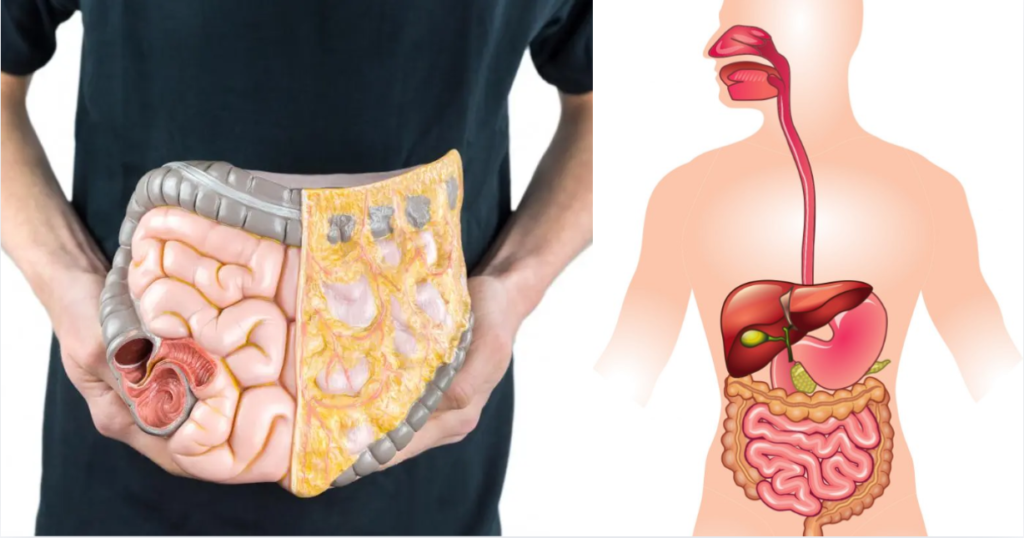
Understanding Food Digestion: The Basics
Before diving into digestion times, it’s important to understand how your body processes food.
How Digestion Works
Digestion begins the moment you take a bite. Your body breaks down food into nutrients that can be absorbed and used for energy, repair, and growth.
The process involves:
- Mouth: Chewing and enzymes start breaking down food
- Stomach: Acids and enzymes further break it down
- Small intestine: Nutrient absorption
- Large intestine: Water absorption and waste elimination
This entire process can take anywhere from 6 to 72 hours, depending on the type of food.
Why Digestion Time Matters
Different foods digest at different speeds. This affects:
- Energy levels
- Blood sugar balance
- Bloating and discomfort
- Nutrient absorption
When you combine foods with very different digestion times, it can slow digestion and lead to gas or fatigue.
How Long Do Different Foods Take to Digest?
Let’s break down common food categories and their digestion times.
Fast-Digesting Foods (30 Minutes to 2 Hours)
These foods move quickly through your system and provide rapid energy.
Examples:
- Fruits (watermelon, oranges, berries)
- Fresh juices
- Leafy vegetables
Why they matter:
- Great for quick energy boosts
- Ideal for mornings or pre-workout snacks
Moderate-Digesting Foods (2 to 4 Hours)
These provide sustained energy and keep you full longer.
Examples:
- Whole grains (rice, oats)
- Cooked vegetables
- Legumes (lentils, chickpeas)
Benefits:
- Stable energy release
- Supports digestion when eaten in balanced meals
Slow-Digesting Foods (4+ Hours)
These take longer to break down and provide long-lasting energy.
Examples:
- Meat and fish
- Dairy products
- Nuts and seeds
Key advantage:
- Keeps you full for longer periods
- Ideal for main meals
Step-by-Step Guide to Eating for Better Digestion
Optimizing digestion doesn’t require drastic changes. Small, intentional steps can make a big difference.
1. Start with Light Foods
Begin your day with easily digestible foods:
- Fresh fruits
- Smoothies
- Herbal teas
This gently “wakes up” your digestive system.
2. Combine Foods Wisely
Avoid mixing too many digestion speeds in one meal.
Better combinations:
- Protein + vegetables
- Whole grains + vegetables
Avoid:
- Heavy proteins with large amounts of fruit
- Overly complex meals with too many ingredients
3. Eat at Regular Intervals
Give your body time to digest before eating again:
- Wait 3–4 hours between meals
- Avoid constant snacking
This prevents digestive overload.
4. Chew Thoroughly
Digestion starts in the mouth. Chewing properly:
- Reduces stomach workload
- Improves nutrient absorption
Advanced Tips to Optimize Digestion and Energy
Once you master the basics, you can take your digestion to the next level.
Listen to Your Body
Your body gives signals:
- Feeling heavy → meal too complex
- Hunger too soon → meal lacked balance
- Bloating → poor food combinations
Adjust based on how you feel—not just rules.
Hydration Timing Matters
Water is essential, but timing is key:
- Drink water 30 minutes before meals
- Avoid large amounts during meals
This helps maintain digestive efficiency.
Support Gut Health
A healthy gut improves digestion speed and nutrient absorption.
Include:
- Fermented foods (yogurt, kefir)
- Fiber-rich foods
- Prebiotics (garlic, onions, bananas)
Common Digestion Challenges and How to Fix Them
Even with the best habits, issues can happen. The good news? Most are fixable.
Bloating After Meals
Causes:
- Mixing incompatible foods
- Eating too fast
- Overeating
Solutions:
- Simplify meals
- Eat slowly
- Reduce portion sizes
Feeling Tired After Eating
Causes:
- Heavy, slow-digesting meals
- High sugar intake
Fix:
- Choose balanced meals with protein and fiber
- Avoid excessive refined carbs
Constipation or Slow Digestion
Causes:
- Low fiber
- Dehydration
- Sedentary lifestyle
Solutions:
- Increase fiber gradually
- Drink more water
- Stay active
Maximizing Energy Through Smart Eating
Understanding digestion is just the beginning. Now it’s time to use that knowledge for better energy and performance.
Build Balanced Meals
A well-balanced plate includes:
- Protein
- Healthy fats
- Fiber-rich carbohydrates
This combination ensures steady energy release.
Time Your Meals Strategically
- Morning: Light and hydrating foods
- Midday: Heavier meals (best digestion time)
- Evening: Lighter meals to support sleep
Support Your Lifestyle
Pair good nutrition with:
- Regular exercise
- Quality sleep
- Stress management
These factors directly impact digestion efficiency.
Featured Snippet: What Is the Average Digestion Time for Food?
The average digestion time for food ranges from 6 to 72 hours, depending on the type of food. Fruits digest fastest (30 minutes to 2 hours), while proteins and fats can take 4 hours or more.
Internal Linking Opportunities
To deepen your understanding, consider exploring related topics:
- Foods that reduce bloating naturally
- Best foods for sustained energy
- Signs of poor gut health
- How to improve metabolism naturally
- Daily habits that boost digestion
Conclusion: Transform Your Energy from the Inside Out
Your body is incredibly intelligent—and when you understand how it processes food, you can work with it instead of against it. By learning about food digestion times, you unlock a powerful way to improve your energy, reduce discomfort, and feel your best every day.
Start small. Choose smarter combinations. Listen to your body. Over time, these simple changes can transform how you feel after every meal.
You don’t need perfection—just consistency. Your journey to better energy and digestion starts with your next bite.
Important Disclaimer: This article is for informational purposes only and should not replace professional advice. For health-related topics, consult healthcare providers. Individual results may vary, and personal circumstances should always be considered when implementing any suggestions.