Meta Description: Learn to recognize Parkinson’s disease early by identifying key symptoms and warning signs, empowering timely intervention for better health outcomes.
Parkinson’s disease is a progressive neurological disorder that affects movement, balance, and coordination. Recognizing the early signs is crucial, as timely intervention can help manage symptoms, improve quality of life, and slow disease progression. Understanding what to look for and how the disease manifests enables you to take proactive steps toward care and support.
In this article, we’ll explore the foundation of Parkinson’s disease, highlight its key symptoms and early warning signs, and provide practical guidance for recognizing potential red flags. Whether you’re concerned for yourself or a loved one, this guide will equip you with knowledge and actionable insights.
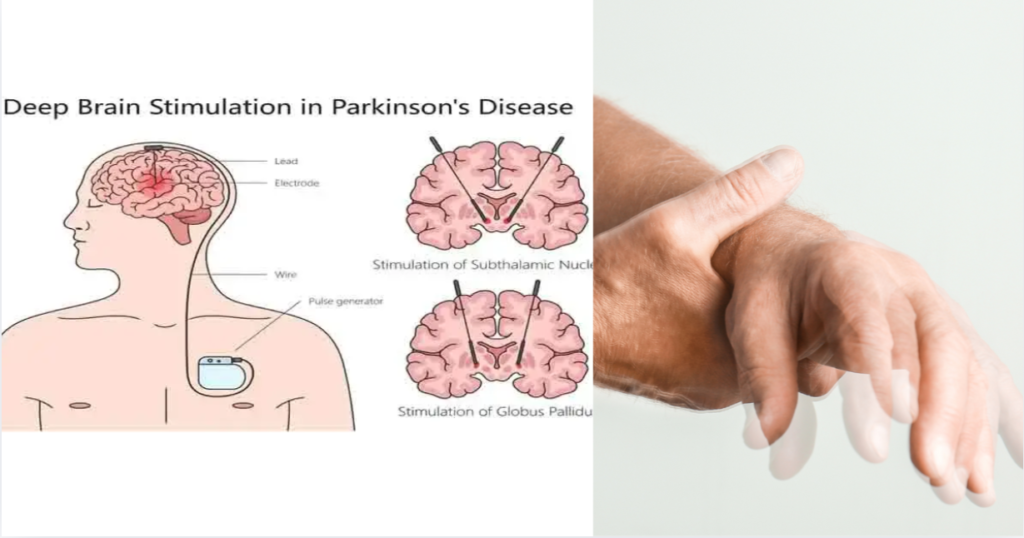
Understanding Parkinson’s Disease
Parkinson’s disease occurs when nerve cells in the brain, particularly in the substantia nigra, deteriorate or die, leading to reduced dopamine production. Dopamine is critical for controlling movement, coordination, and certain aspects of mood.
Why Early Detection Matters
- Improved Management: Early diagnosis allows for treatment strategies that can slow symptom progression.
- Lifestyle Adaptations: Patients can adopt exercise, diet, and mental wellness routines that support brain health.
- Support Systems: Recognizing symptoms early helps families and caregivers prepare for the challenges ahead.
Common Misconceptions
- Parkinson’s only affects older adults—though it is more common in those over 60, younger individuals can develop Parkinson’s too.
- Tremors are the only symptom—other early signs may be subtle and overlooked.
Internal linking opportunities: This section could link to articles on Neurological Health Tips, Brain-Boosting Nutrition, and Exercise for Neuroprotection.
Early Motor Symptoms of Parkinson’s
Motor symptoms are often the most noticeable indicators of Parkinson’s disease.
Tremors
- Resting Tremors: Shaking of hands, fingers, or feet when muscles are relaxed.
- Frequency: Often begins on one side of the body and can spread over time.
Bradykinesia (Slowed Movement)
- Movements become slower and less coordinated.
- Daily tasks, such as buttoning clothes or typing, may take longer and feel more difficult.
Muscle Stiffness and Rigidity
- Muscles may feel tight, limiting range of motion.
- Stiffness can lead to discomfort or mild pain, especially in the neck, shoulders, and limbs.
Posture and Balance Changes
- Stooped posture or difficulty maintaining balance.
- Increased risk of falls, highlighting the importance of early intervention.
Non-Motor Symptoms and Subtle Warning Signs
Parkinson’s disease can present with non-motor symptoms years before motor signs appear.
Sleep Disturbances
- Difficulty falling or staying asleep, vivid dreams, or acting out dreams may indicate early Parkinson’s.
Mood and Cognitive Changes
- Anxiety, depression, or subtle memory lapses can be early indicators.
Autonomic Symptoms
- Constipation, reduced sense of smell, and excessive sweating can precede motor symptoms.
Pro tip: Keeping a symptom diary can help track subtle changes and support early detection during medical consultations.
Step-by-Step Recognition and Assessment
Recognizing Parkinson’s disease requires careful observation and documentation of symptoms.
Step 1: Monitor Daily Function
- Note any changes in movement, balance, or dexterity.
- Track how symptoms fluctuate throughout the day.
Step 2: Record Non-Motor Changes
- Include mood, sleep patterns, and gastrointestinal or sensory changes.
- Subtle signs often provide crucial clues for early diagnosis.
Step 3: Seek Medical Evaluation
- Consult a neurologist if multiple early symptoms are present.
- Diagnostic tests may include physical examination, imaging, and assessment of movement patterns.
Advanced Insights: Differentiating Parkinson’s from Other Conditions
Not all tremors or stiffness indicate Parkinson’s. Understanding the nuances can help clarify potential causes.
Essential Tremor vs. Parkinson’s Tremor
- Essential Tremor: Usually occurs during movement, often familial.
- Parkinson’s Tremor: Typically occurs at rest and may start on one side.
Secondary Parkinsonism
- Certain medications or other neurological conditions can mimic Parkinson’s symptoms.
- Accurate diagnosis requires comprehensive evaluation.
Maximizing Early Detection and Wellness
Early recognition of Parkinson’s disease enables proactive care.
Lifestyle Interventions
- Regular exercise, including strength and balance training, can improve mobility.
- Cognitive activities and social engagement support brain health.
Nutrition and Supplements
- A balanced diet rich in antioxidants and omega-3 fatty acids may promote neurological function.
Support Networks
- Joining Parkinson’s support groups provides emotional and practical guidance.
- Caregivers benefit from education and community resources.
Featured Snippet: What Are the First Signs of Parkinson’s Disease?
Early signs of Parkinson’s disease include resting tremors, slowed movement (bradykinesia), muscle stiffness, subtle balance changes, sleep disturbances, mood shifts, and reduced sense of smell. Recognizing these symptoms early improves management and treatment outcomes.
Conclusion: Stay Alert and Empowered
Recognizing Parkinson’s disease early is a vital step toward effective management and improved quality of life. By monitoring both motor and non-motor symptoms, documenting changes, and seeking professional evaluation, you can take control of your health journey.
Empower yourself and your loved ones with knowledge, adopt supportive lifestyle strategies, and foster connections that strengthen resilience. Early awareness combined with proactive care creates a foundation for living well with Parkinson’s disease.
Important Disclaimer: This article is for informational purposes only and should not replace professional advice. For health-related topics, consult healthcare providers. Individual results may vary, and personal circumstances should always be considered when implementing any suggestions.