Meta Description: Learn the common symptoms of pneumonia and early warning signs. Discover when to seek help and how to protect your lungs and overall health.
Introduction
A simple cough or mild fever might not seem alarming—but what if it’s something more serious? Pneumonia is a potentially dangerous lung infection that can develop quickly, especially if early symptoms are ignored. Recognizing the common symptoms of pneumonia can make a critical difference in recovery time and overall health outcomes.
In this guide, you’ll learn how to identify early warning signs, understand how pneumonia affects your body, and take proactive steps to protect yourself and your loved ones. Whether you’re dealing with seasonal illness or just want to stay informed, this article will help you spot symptoms early and act with confidence.
Section 1: Foundation – What Is Pneumonia and Why It Matters
Understanding pneumonia is the first step in recognizing its symptoms and preventing complications.
H3: What Is Pneumonia?
Pneumonia is an infection that inflames the air sacs (alveoli) in one or both lungs. These sacs may fill with fluid or pus, making it difficult to breathe and reducing oxygen levels in the body.
It can be caused by:
- Bacteria (most common)
- Viruses (such as influenza)
- Fungi (more rare, often in immunocompromised individuals)
H3: Who Is Most at Risk?
While anyone can develop pneumonia, higher-risk groups include:
- Children under 5 and adults over 65
- People with weakened immune systems
- Smokers or individuals with chronic lung conditions
- Patients with chronic diseases like diabetes or heart disease
H3: Why Early Detection Is Critical
Early recognition of pneumonia symptoms can:
- Prevent complications like respiratory failure
- Reduce hospitalization risk
- Improve recovery speed
- Lower mortality rates
Section 2: Step-by-Step – Common Symptoms of Pneumonia
Knowing what to look for can help you act quickly and effectively.
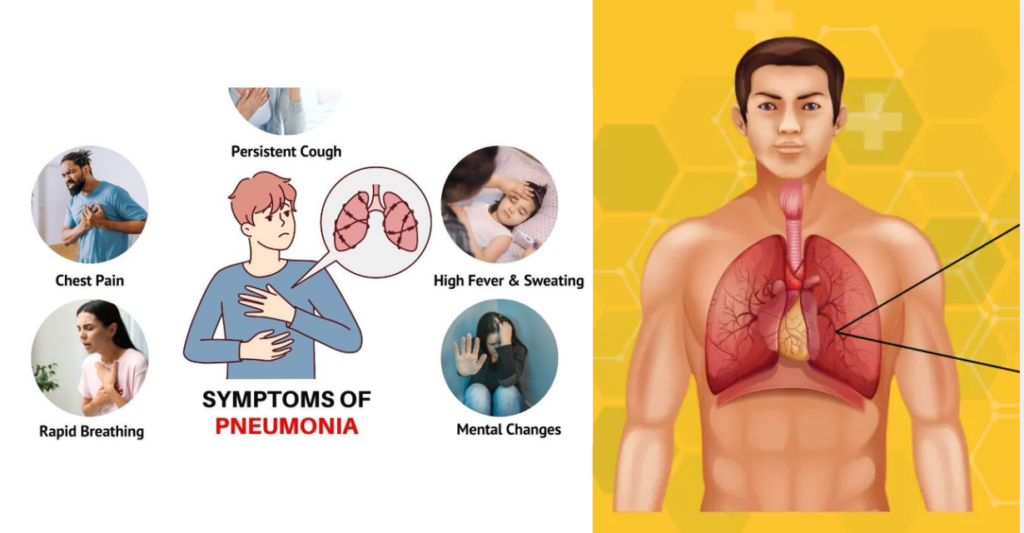
H3: 1. Persistent Cough
One of the most recognizable signs is a cough that:
- Produces mucus (green, yellow, or even bloody)
- Worsens over time
- Does not improve with standard treatments
H3: 2. Fever and Chills
- High fever (often above 38°C)
- Sweating and shaking chills
- Feeling hot and cold alternately
H3: 3. Shortness of Breath
You may experience:
- Difficulty breathing, especially during activity
- Rapid, shallow breathing
- A feeling of “air hunger”
H3: 4. Chest Pain
- Sharp or stabbing pain when breathing or coughing
- Discomfort that worsens with deep breaths
H3: 5. Fatigue and Weakness
Pneumonia can drain your energy, causing:
- Extreme tiredness
- Lack of strength
- Difficulty performing daily tasks
H3: 6. Confusion (Especially in Older Adults)
In elderly individuals, symptoms may include:
- Sudden confusion or disorientation
- Reduced alertness
- Changes in mental status
H3: 7. Gastrointestinal Symptoms
Sometimes pneumonia presents with:
- Nausea or vomiting
- Loss of appetite
- Diarrhea (less common but possible)
Section 3: Advanced Insights – How Symptoms Vary by Type
Not all pneumonia cases look the same. Understanding variations helps improve detection.
H3: Bacterial Pneumonia
- Sudden onset
- High fever and productive cough
- More severe symptoms
H3: Viral Pneumonia
Often linked to Influenza, symptoms may include:
- Gradual onset
- Dry cough
- Muscle aches and fatigue
H3: Walking Pneumonia (Mild Form)
Also called atypical pneumonia:
- Mild symptoms that resemble a cold
- Persistent dry cough
- Often overlooked or untreated
Section 4: Troubleshooting – When to Seek Medical Help
Recognizing when symptoms become serious is essential.
H4: Warning Signs That Require Immediate Attention
Seek medical care if you notice:
- Difficulty breathing or rapid breathing
- Chest pain that worsens
- High fever that doesn’t improve
- Blue lips or fingertips (low oxygen levels)
- Confusion or fainting
H4: Common Misinterpretations
Many people confuse pneumonia with:
- Common cold
- Bronchitis
- Seasonal flu
If symptoms persist longer than expected or worsen, don’t ignore them.
H4: Preventive Measures
- Practice good hygiene (handwashing)
- Stay up to date with vaccinations
- Avoid smoking and polluted environments
- Strengthen your immune system through nutrition and sleep
Section 5: Maximizing Recovery and Lung Health
Once diagnosed, proper care can accelerate recovery and prevent recurrence.
H3: Treatment Options
Depending on the cause:
- Antibiotics for bacterial pneumonia
- Antiviral medications for viral cases
- Supportive care (hydration, rest, oxygen therapy if needed)
H3: Home Care Tips
- Drink plenty of fluids to loosen mucus
- Rest adequately to support immune function
- Use a humidifier to ease breathing
- Follow prescribed treatments strictly
H3: Long-Term Lung Protection
- Engage in light physical activity after recovery
- Practice breathing exercises
- Avoid smoking or secondhand smoke
- Monitor for recurring symptoms
H3: Internal Linking Opportunities
- “How to Strengthen Your Immune System Naturally”
- “Best Foods for Lung Health and Recovery”
- “Cold vs Flu vs Pneumonia: Key Differences”
- “Breathing Exercises to Improve Lung Capacity”
- “How Sleep Impacts Immune Function”
Featured Snippet: What Are the First Signs of Pneumonia?
The first signs of pneumonia typically include a persistent cough (often with mucus), fever, chills, fatigue, shortness of breath, and chest pain when breathing. Early detection and medical consultation are crucial to prevent complications and ensure effective treatment.
Conclusion
Recognizing the common symptoms of pneumonia early can be life-saving. From persistent cough and fever to shortness of breath and fatigue, your body sends clear warning signals when something isn’t right.
By staying informed, listening to your body, and seeking timely medical care, you can protect your lungs and overall health. Start by paying attention to small changes, maintaining strong immunity, and acting quickly when symptoms appear.
Your health is in your hands—take action today, stay vigilant, and breathe easier knowing you’re prepared.
Important Disclaimer: This article is for informational purposes only and should not replace professional advice. For health-related topics, consult healthcare providers. Individual results may vary, and personal circumstances should always be considered when implementing any suggestions.