Meta Description: Discover IBS triggers and root causes. Learn how diet, stress, and gut health influence irritable bowel syndrome and how to manage symptoms effectively.
Introduction
Do you often experience bloating, abdominal pain, or unpredictable digestion that disrupts your daily life? You’re not alone. Irritable Bowel Syndrome (IBS) affects millions worldwide, yet its causes can feel confusing and frustrating. The truth is, IBS isn’t caused by just one factor—it’s a multifactorial condition influenced by diet, stress, gut health, and more.
In this guide, you’ll uncover the real triggers behind IBS, learn how different systems in your body interact, and discover practical strategies to manage symptoms naturally. By understanding your unique triggers, you can take control of your gut health and move toward a more balanced, comfortable life.
Section 1: Foundation – What Causes IBS?
Understanding IBS begins with recognizing that it’s not a single disease but a complex interaction of multiple factors.
H3: What Is IBS?
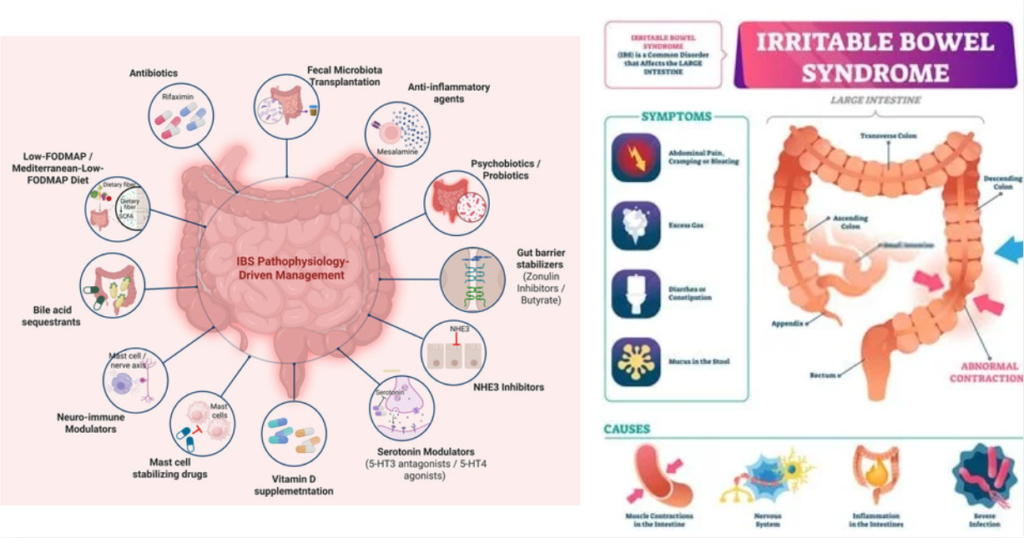
Irritable Bowel Syndrome is a functional gastrointestinal disorder. This means there’s no visible structural damage, but the gut doesn’t function properly. Common symptoms include:
- Abdominal pain or cramping
- Bloating and gas
- Diarrhea, constipation, or both
H3: The Gut-Brain Connection
One of the most important drivers of IBS is the communication between your gut and brain, often called the gut-brain axis.
When this communication is disrupted:
- The gut becomes more sensitive
- Normal digestion feels painful
- Stress signals can directly affect bowel movements
H3: Why IBS Is Multifactorial
IBS develops due to a combination of:
- Digestive sensitivity
- Nervous system responses
- Environmental and lifestyle triggers
This explains why two people with IBS may have completely different symptoms and triggers.
Section 2: Core Triggers – Identifying What Affects Your Gut
Recognizing IBS triggers is the most important step in managing symptoms effectively.
H3: 1. Dietary Triggers
Food is one of the most common IBS triggers. Problematic foods often include:
- High-fat or fried foods
- Dairy products (especially in lactose intolerance)
- Spicy foods
- Artificial sweeteners
A key concept is FODMAPs (fermentable carbohydrates) that can cause gas and bloating.
H3: 2. Stress and Emotional Factors
Stress doesn’t just affect your mind—it directly impacts your gut.
When stress levels rise:
- Gut motility changes (faster or slower digestion)
- Sensitivity to pain increases
- Symptoms like cramping and urgency worsen
H3: 3. Gut Microbiota Imbalance
Your gut contains trillions of bacteria that influence digestion and immunity. An imbalance (dysbiosis) can lead to:
- Increased gas production
- Inflammation
- Altered bowel habits
H3: 4. Hormonal Changes
Hormones play a significant role, especially in women. Symptoms may worsen:
- During menstruation
- With hormonal fluctuations
- During pregnancy or menopause
H3: 5. Food Intolerances
Beyond general diet triggers, specific intolerances can worsen IBS, such as:
- Lactose intolerance
- Gluten sensitivity (non-celiac)
Section 3: Advanced Strategies – Pro Tips to Manage IBS Triggers
Once you understand your triggers, you can take targeted action to reduce symptoms.
H3: Keep a Food and Symptom Journal
Tracking what you eat and how you feel helps identify patterns. Include:
- Meals and snacks
- Stress levels
- Digestive symptoms
Over time, this becomes a powerful tool for personalization.
H3: Try a Low-FODMAP Approach
A low-FODMAP diet involves:
- Eliminating high-FODMAP foods temporarily
- Gradually reintroducing them
- Identifying personal triggers
This method is widely supported by research for IBS symptom relief.
H3: Manage Stress Effectively
Incorporate daily stress-reduction techniques:
- Deep breathing exercises
- Meditation or mindfulness
- Yoga or light physical activity
Even 10 minutes a day can make a noticeable difference.
H3: Support Gut Health
- Include probiotics (yogurt, kefir, supplements)
- Eat fiber gradually to avoid worsening symptoms
- Stay hydrated to support digestion
Section 4: Troubleshooting – Common IBS Challenges
Managing IBS isn’t always straightforward, but solutions exist for common obstacles.
H4: “I Can’t Identify My Triggers”
- Start with the most common triggers (diet and stress)
- Simplify meals to isolate foods
- Be patient—patterns take time to emerge
H4: “Healthy Foods Make My Symptoms Worse”
Some healthy foods (like beans or broccoli) are high in FODMAPs and may trigger symptoms. Adjust portion sizes rather than eliminating them completely.
H4: “Symptoms Fluctuate Without Reason”
IBS symptoms can change due to:
- Hormonal shifts
- Sleep quality
- Stress levels
Focus on overall patterns rather than single events.
Section 5: Maximizing Results – Long-Term IBS Management
Building sustainable habits is key to long-term relief and improved quality of life.
H3: Create a Personalized Routine
Your IBS management plan should include:
- Consistent meal timing
- Balanced nutrition
- Regular physical activity
H3: Focus on Whole-Body Wellness
IBS is not just a gut issue—it’s a whole-body condition. Improve outcomes by addressing:
- Sleep quality (7–9 hours per night)
- Mental health and emotional balance
- Physical activity levels
H3: Complementary Strategies
- Cognitive behavioral therapy (CBT) for stress-related IBS
- Herbal teas (peppermint, ginger) for symptom relief
- Gentle exercise like walking to improve digestion
H3: Internal Linking Opportunities
- “Gut Health and the Microbiome Explained”
- “Best Foods for Digestive Health”
- “Stress and Its Impact on the Body”
- “Natural Remedies for Bloating and Gas”
- “How Sleep Affects Digestive Function”
Featured Snippet: What Are the Main Triggers of IBS?
The main triggers of IBS include dietary factors (such as high-FODMAP foods), stress, gut microbiota imbalance, hormonal changes, and food intolerances. Identifying personal triggers through tracking and lifestyle adjustments is essential for effective symptom management.
Conclusion
Understanding IBS triggers and their multifactorial causes is the key to transforming your digestive health. While IBS can feel unpredictable, recognizing the role of diet, stress, gut bacteria, and hormones gives you the power to take control.
Start small—track your symptoms, adjust your diet, and incorporate stress management into your daily routine. Over time, these simple steps can lead to significant improvements in comfort, energy, and overall well-being.
Remember, your journey with IBS is personal, and progress takes time. Stay consistent, stay patient, and trust that with the right approach, you can achieve a healthier, more balanced gut.
Important Disclaimer: This article is for informational purposes only and should not replace professional advice. For health-related topics, consult healthcare providers. Individual results may vary, and personal circumstances should always be considered when implementing any suggestions.