Meta Description: Discover how liver wellness progression connects to urine color changes and what these signs may reveal about your overall health and hydration status.
Introduction
Have you ever noticed a change in your urine color and wondered what it means? Your body constantly sends signals about your internal health, and surprisingly, urine color is one of the simplest yet most powerful indicators. When paired with an understanding of liver wellness progression, these signals can offer valuable insights into how your body is functioning.
Your liver plays a central role in detoxification, metabolism, and nutrient processing. When it’s under stress, subtle changes—like fatigue, digestion issues, or even urine color—can begin to appear. In this guide, you’ll learn how to recognize these signs, understand what they mean, and take actionable steps to support your liver naturally. By the end, you’ll feel empowered to monitor your health and make smarter daily choices.
Section 1: Foundation – Understanding Liver Function and Health Signals
Your liver is one of the hardest-working organs in your body. Understanding its role helps you decode the signals it sends.
H3: What Does the Liver Do?
The liver performs over 500 essential functions, including:
- Detoxifying harmful substances
- Producing bile for digestion
- Regulating blood sugar and cholesterol
- Processing nutrients and medications
Because of its central role, even small disruptions in liver function can affect your entire body.
H3: What Is Liver Wellness Progression?
Liver health doesn’t decline overnight. It progresses through stages:
- Optimal Function: Efficient detoxification and energy balance
- Mild Stress: Fatigue, bloating, or minor imbalances
- Fat Accumulation: Early signs of fatty liver
- Inflammation: Liver irritation or damage
- Advanced Disease: Cirrhosis or severe dysfunction
Early awareness allows you to intervene before serious complications arise.
H3: Why Urine Color Matters
Urine reflects how your body processes waste. Changes in color can indicate:
- Hydration levels
- Liver function
- Presence of toxins or infections
It’s a simple, daily tool for tracking your internal health.
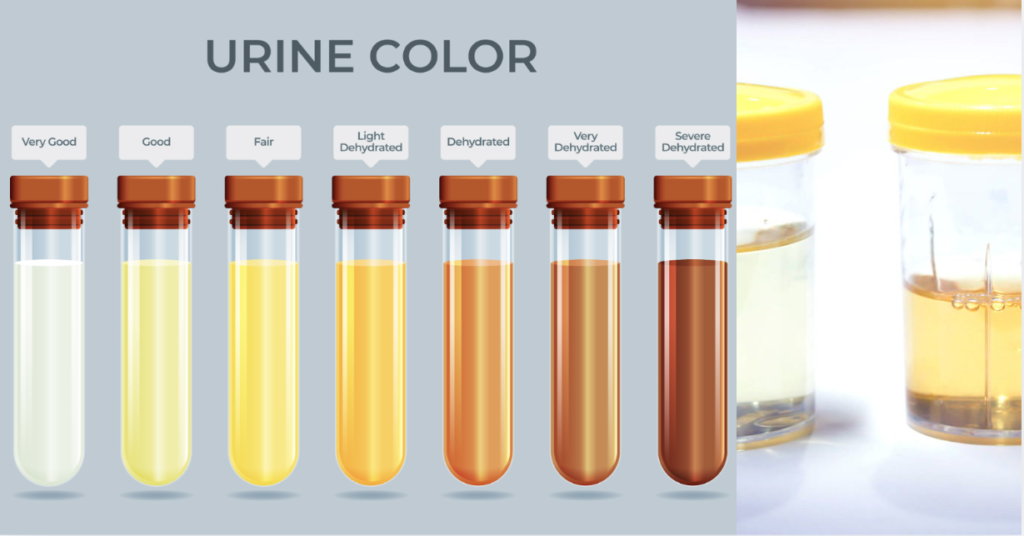
Section 2: Step-by-Step Guide – What Your Urine Color Indicates
Let’s break down common urine colors and what they may reveal about your health.
H3: Clear to Pale Yellow
- Meaning: Well-hydrated, healthy kidney and liver function
- Tip: Maintain consistent water intake
H3: Dark Yellow or Amber
- Meaning: Mild dehydration or concentrated urine
- Action: Increase water intake throughout the day
H3: Orange or Dark Orange
- Meaning: Possible dehydration, medication effects, or bile pigment changes linked to liver stress
- Action: Monitor hydration and consult a professional if persistent
H3: Brown or Tea-Colored Urine
- Meaning: May indicate liver issues such as bile buildup or liver dysfunction
- Action: Seek medical evaluation promptly
H3: Red or Pink Urine
- Meaning: Could indicate blood, certain foods (like beets), or underlying conditions
- Action: Rule out dietary causes; consult a doctor if unclear
Section 3: Advanced Insights – The Connection Between Liver Health and Urine
Understanding the science behind these changes helps you take smarter action.
H3: Bilirubin and Liver Function
Bilirubin is a yellow pigment produced when red blood cells break down. A healthy liver processes it efficiently.
When the liver is compromised:
- Bilirubin builds up in the bloodstream
- It may appear in urine, causing darker coloration
H3: Detoxification and Waste Elimination
The liver filters toxins and sends waste products to the kidneys for elimination. If detox pathways are overwhelmed:
- Urine color may darken
- You may experience fatigue or skin changes
H3: Hydration vs. Liver Signals
Not all color changes are serious. For example:
- Dehydration → darker urine
- Liver dysfunction → persistent abnormal color despite hydration
Learning to distinguish between the two is key.
Section 4: Troubleshooting – Common Concerns and Practical Solutions
It’s normal to feel unsure when noticing changes. Here’s how to approach them.
H4: “My Urine Is Dark in the Morning”
- Overnight dehydration is common
- Drink water upon waking and observe changes
H4: “Color Changes Suddenly”
- Consider recent foods (beets, carrots) or supplements
- Monitor for 24–48 hours
H4: “Persistent Unusual Color”
- Do not ignore ongoing changes
- Seek medical advice for proper evaluation
Preventive Measures
- Stay hydrated consistently
- Limit alcohol and processed foods
- Avoid unnecessary medications or toxins
Section 5: Maximizing Results – Supporting Liver Health Naturally
Maintaining liver wellness is about consistent, sustainable habits.
H3: Nutrition for Liver Support
Focus on nutrient-dense foods:
- Leafy greens (spinach, kale)
- Cruciferous vegetables (broccoli, cauliflower)
- Healthy fats (olive oil, nuts, seeds)
- Antioxidant-rich fruits (berries, citrus)
H3: Lifestyle Habits That Protect Your Liver
- Exercise regularly to reduce fat accumulation
- Get 7–9 hours of quality sleep
- Manage stress to support hormonal balance
H3: Hydration as a Key Strategy
Water supports both liver and kidney function. Aim for:
- 1.5–2 liters daily (adjust for activity and climate)
H3: Internal Linking Opportunities
- “Liver Detox Mastery: Boost Energy Naturally”
- “Signs of Dehydration and How to Fix It”
- “Top Foods for Natural Detoxification”
- “Understanding Kidney Health and Function”
- “How Hormones Affect Liver Health”
Featured Snippet: What Does Urine Color Say About Liver Health?
Urine color can provide clues about liver health. Dark orange or brown urine may indicate bile buildup or liver dysfunction, while pale yellow typically reflects healthy hydration and liver function. Persistent abnormal colors should be evaluated by a healthcare professional.
Conclusion
Your body communicates with you every day—you just need to know how to listen. By understanding liver wellness progression and paying attention to changes in urine color, you gain a powerful, simple tool to monitor your health.
Small, consistent habits—like staying hydrated, eating nutrient-rich foods, and reducing toxin exposure—can make a big difference over time. Don’t ignore subtle signals; instead, use them as motivation to take action. Your liver works hard for you—now it’s your turn to support it and unlock better energy, vitality, and long-term wellness.
Important Disclaimer: This article is for informational purposes only and should not replace professional advice. For health-related topics, consult healthcare providers. Individual results may vary, and personal circumstances should always be considered when implementing any suggestions.