Meta Description: Learn how renal hypertrophy after nephrectomy helps the remaining kidney adapt, maintain function, and support long-term health.
Introduction
Losing a kidney can sound alarming, but the human body has an incredible ability to adapt. After a nephrectomy (surgical removal of a kidney), the remaining kidney doesn’t just continue working—it actually transforms. This process, known as renal hypertrophy after nephrectomy, allows the body to maintain essential functions like waste filtration and fluid balance.
If you or someone you care about is facing this situation, understanding how the body adjusts can bring reassurance and clarity. In this article, you’ll discover how the remaining kidney adapts, what changes occur at a cellular level, and how you can support long-term kidney health. The more you understand this natural process, the more confident you’ll feel about recovery and life after nephrectomy.
Section 1: Foundation – Understanding Renal Hypertrophy
Before diving deeper, let’s break down what renal hypertrophy really means.
H3: What Is Renal Hypertrophy?
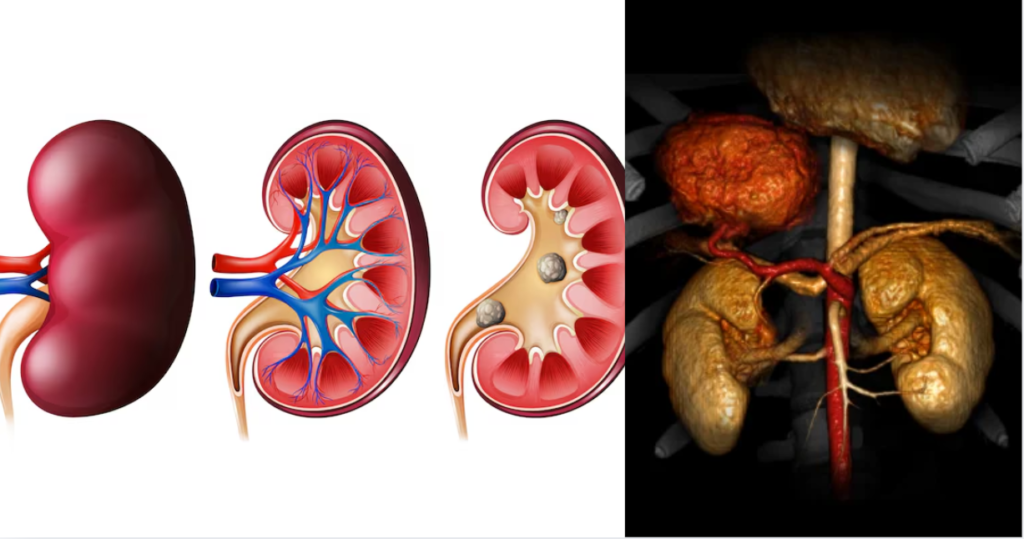
Renal hypertrophy refers to the increase in size and function of the remaining kidney after one kidney is removed. This is not a disease—it’s a normal physiological response.
There are two key types:
- Compensatory hypertrophy: The remaining kidney enlarges to compensate
- Functional adaptation: Increased workload per nephron (functional unit)
H3: Why Does It Happen?
Your body needs to maintain:
- Filtration of blood (glomerular filtration rate)
- Electrolyte balance
- Waste elimination
To meet these demands, the remaining kidney undergoes structural and functional changes.
H3: How Quickly Does Adaptation Begin?
Adaptation starts almost immediately after surgery. Significant changes can occur within:
- Days to weeks (initial functional increase)
- Months (structural enlargement)
This rapid response is a testament to the body’s resilience.
Section 2: Core Mechanisms – How the Remaining Kidney Adapts
Let’s explore the science behind this fascinating process.
H3: Increased Glomerular Filtration Rate (GFR)
After nephrectomy:
- Each nephron filters more blood
- Overall kidney function can reach up to 70–80% of original capacity
This process is called hyperfiltration.
H3: Cellular and Structural Changes
The remaining kidney undergoes:
- Enlargement of nephrons
- Expansion of tubular cells
- Increased blood flow
These changes enhance efficiency without increasing the number of nephrons.
H3: Hormonal and Molecular Signals
Adaptation is regulated by:
- Growth factors (e.g., IGF-1)
- Hormonal signals
- Hemodynamic changes (blood flow adjustments)
These signals trigger tissue growth and functional enhancement.
Section 3: Advanced Insights – Long-Term Adaptation and Outcomes
Understanding long-term effects is essential for both patients and students of medicine.
H3: Is One Kidney Enough?
Yes—most people can live a healthy life with one kidney. The body compensates effectively, especially if the remaining kidney is healthy.
H3: Potential Risks of Hyperfiltration
While adaptation is beneficial, long-term hyperfiltration may lead to:
- Increased pressure in glomeruli
- Risk of gradual kidney damage in some cases
However, this risk is generally low in healthy individuals.
H3: Factors That Influence Adaptation
Not everyone adapts the same way. Key factors include:
- Age
- Pre-existing conditions (e.g., hypertension, diabetes)
- Lifestyle habits
Section 4: Troubleshooting – Common Concerns After Nephrectomy
It’s normal to have questions and concerns after losing a kidney.
H4: “Will My Kidney Fail?”
In most cases, no. A single healthy kidney can perform essential functions effectively.
H4: “Do I Need a Special Diet?”
Not always, but moderation is key. Avoid excessive:
- Salt
- Protein overload
- Processed foods
H4: “Can I Live Normally?”
Yes. Most individuals return to normal activities, including work and exercise.
Preventive Measures
- Regular medical check-ups
- Monitoring blood pressure
- Staying hydrated
Section 5: Maximizing Results – Supporting Your Remaining Kidney
You can actively support your kidney’s adaptation and long-term health.
H3: Adopt Kidney-Friendly Habits
Simple lifestyle choices make a big difference:
- Drink adequate water
- Maintain a balanced diet
- Exercise regularly
H3: Monitor Key Health Indicators
Keep track of:
- Blood pressure
- Blood sugar levels
- Kidney function tests (creatinine, GFR)
H3: Avoid Harmful Substances
Protect your kidney by limiting:
- Non-prescribed medications (especially NSAIDs)
- Smoking
- Excess alcohol
H3: Internal Linking Opportunities
- “Key Indicators of Kidney Strain”
- “Liver and Kidney Health: What You Should Know”
- “Understanding Blood Test Results (Creatinine & Urea)”
- “Hydration and Its Role in Organ Function”
- “Diet Tips for Chronic Disease Prevention”
Featured Snippet: How Does the Remaining Kidney Adapt After Nephrectomy?
After nephrectomy, the remaining kidney adapts through a process called renal hypertrophy. It increases in size and function, boosting filtration capacity (GFR) and efficiency. This allows the body to maintain essential functions even with one kidney.
Conclusion
The human body is remarkably adaptive, and renal hypertrophy after nephrectomy is a powerful example of that resilience. Your remaining kidney doesn’t just take over—it evolves, becoming stronger and more efficient to meet your body’s needs.
By understanding this process and supporting your health through smart lifestyle choices, you can live a full, active life with confidence. Remember, your body is designed to adapt—and with the right care, it can thrive.
Important Disclaimer: This article is for informational purposes only and should not replace professional advice. For health-related topics, consult healthcare providers. Individual results may vary, and personal circumstances should always be considered when implementing any suggestions.