Meta Description: Discover the 9 best drinks for optimal heart and circulation health to boost blood flow, lower risk, and support cardiovascular wellness naturally.
Introduction
Your heart works non-stop—pumping blood, delivering oxygen, and keeping every system in your body alive. But did you know that what you drink daily can either support or strain your cardiovascular system? The right beverages can improve blood flow, reduce inflammation, and even lower your risk of heart disease.
In this guide, you’ll discover the 9 best drinks for optimal heart and circulation health, backed by science and easy to include in your routine. Whether you’re looking to boost energy, improve circulation, or simply take better care of your body, these drinks can help you unlock a healthier, stronger heart—one sip at a time.
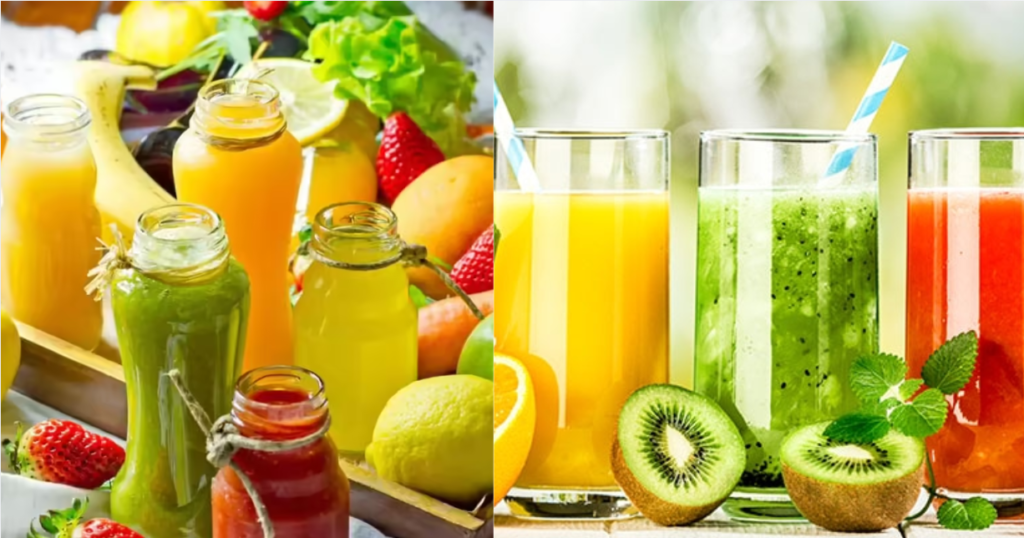
Section 1: Foundation – Why Drinks Matter for Heart Health
Before diving into the list, let’s understand why beverages play such a powerful role in cardiovascular wellness.
H3: Hydration and Blood Flow
Proper hydration helps:
- Maintain healthy blood viscosity
- Support efficient circulation
- Reduce strain on the heart
Even mild dehydration can make your heart work harder.
H3: Nutrients in Liquid Form
Certain drinks are rich in:
- Antioxidants
- Polyphenols
- Electrolytes
These compounds protect blood vessels and improve overall heart function.
H3: Reducing Cardiovascular Risk Factors
The right drinks can help:
- Lower blood pressure
- Reduce cholesterol
- Decrease inflammation
Small daily choices can lead to big long-term results.
Section 2: Core List – 9 Best Drinks for Heart and Circulation Health
Let’s explore the most effective options you can start today.
H3: 1. Water – The Ultimate Essential
It may sound simple, but water is the foundation of heart health. It:
- Keeps blood flowing smoothly
- Supports kidney function
- Helps regulate blood pressure
H3: 2. Green Tea
Rich in antioxidants, green tea:
- Improves blood vessel function
- Reduces LDL (bad cholesterol)
- Supports circulation
H3: 3. Beetroot Juice
Beetroot juice is a circulation powerhouse. It:
- Contains nitrates that improve blood flow
- Lowers blood pressure
- Enhances oxygen delivery
H3: 4. Pomegranate Juice
This vibrant drink is packed with antioxidants that:
- Protect arteries
- Reduce plaque buildup
- Improve blood circulation
H3: 5. Hibiscus Tea
Hibiscus tea has been shown to:
- Lower blood pressure
- Improve cholesterol levels
- Support vascular health
H3: 6. Tomato Juice
Tomatoes are rich in lycopene, which:
- Reduces oxidative stress
- Supports heart health
- Improves blood vessel function
H3: 7. Berry Smoothies
Berries like blueberries and strawberries:
- Boost antioxidant intake
- Reduce inflammation
- Support healthy circulation
H3: 8. Citrus Water (Lemon or Orange Infused)
Citrus fruits provide:
- Vitamin C for vessel strength
- Hydration with added benefits
- A refreshing alternative to sugary drinks
H3: 9. Dark Cocoa Drink
In moderation, dark cocoa:
- Improves blood flow
- Supports endothelial function
- May lower blood pressure
Section 3: Advanced Strategies – How to Maximize Benefits
Now that you know what to drink, let’s optimize how you use them.
H3: Combine Drinks Strategically
For better results, rotate your drinks:
- Morning: Warm lemon water
- Afternoon: Green tea
- Evening: Hibiscus tea
This ensures a wide range of nutrients.
H3: Focus on Fresh and Natural Options
Choose:
- Fresh juices over processed ones
- Unsweetened beverages
- Whole ingredients
Avoid added sugars—they can cancel out benefits.
H3: Timing Matters
- Drink water throughout the day
- Consume antioxidant drinks between meals
- Avoid heavy drinks before bedtime
Section 4: Troubleshooting – Common Mistakes to Avoid
Even healthy drinks can be misused.
H4: Adding Too Much Sugar
Many people ruin healthy drinks by adding sugar. Instead:
- Use natural sweetness (like fruits)
- Keep it minimal
H4: Overconsumption
Too much of anything—even healthy drinks—can be harmful. For example:
- Excess beet juice may affect blood pressure too much
- Too much caffeine from tea can cause issues
H4: Ignoring Medical Conditions
If you have conditions like hypertension or kidney issues, always adjust your intake accordingly.
Preventive Tips
- Start with small amounts
- Monitor how your body reacts
- Stay consistent rather than excessive
Section 5: Maximizing Results – Build a Heart-Healthy Lifestyle
Drinks are powerful—but they work best as part of a bigger picture.
H3: Pair Drinks with Healthy Foods
Combine your beverages with:
- Leafy greens
- Whole grains
- Healthy fats
H3: Stay Active
Physical activity improves circulation and enhances the benefits of these drinks.
H3: Monitor Your Health
Keep track of:
- Blood pressure
- Cholesterol levels
- Energy levels
H3: Internal Linking Opportunities
- “Common Foods That Harm Your Heart”
- “Daily Habits for Better Circulation”
- “Natural Ways to Lower Blood Pressure”
- “Top Antioxidant-Rich Foods”
- “Hydration and Its Role in Organ Health”
Featured Snippet: What Are the Best Drinks for Heart and Circulation Health?
The best drinks for heart and circulation health include water, green tea, beetroot juice, pomegranate juice, hibiscus tea, tomato juice, berry smoothies, citrus water, and dark cocoa. These beverages support blood flow, reduce inflammation, and improve cardiovascular function when consumed regularly.
Conclusion
Taking care of your heart doesn’t have to be complicated. By simply choosing the right drinks, you can support your circulation, protect your blood vessels, and boost your overall well-being.
Start small—swap one sugary drink for a heart-healthy option today. Over time, these simple choices can transform your health and energy levels. Your heart works hard for you every day—now it’s your turn to support it.
Important Disclaimer: This article is for informational purposes only and should not replace professional advice. For health-related topics, consult healthcare providers. Individual results may vary, and personal circumstances should always be considered when implementing any suggestions.