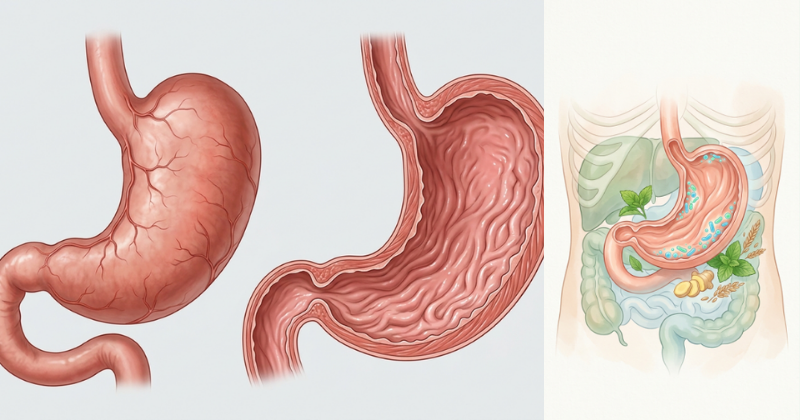
Feeling bloated, gassy, or dealing with that uncomfortable “heavy stomach” after meals? You’re not alone. Millions of people experience daily stomach discomfort from poor digestion, acid reflux, or inflammation—often triggered by the very foods on their plate. The good news? Simple stomach care tips and smart food choices can bring real relief fast, without medications or restrictive diets.
Your stomach is the gateway to overall health. When it functions well, you absorb nutrients better, enjoy steady energy, and even support better mood and sleep. In this guide you’ll learn exactly which foods soothe and strengthen your digestive system and which ones quietly sabotage it. You’ll also get practical daily habits that fit the healthy lifestyle we’ve been building together—pairing these choices with your daily one-hour walk, magnesium lotion for stress-related tummy tension, and the bloat-busting foods from our flatter-belly guide. By the end you’ll have an easy-to-follow stomach care plan you can start at your next meal.

Why Stomach Health Matters More Than You Think
Your stomach and gut handle digestion, immunity (70 % of your immune system lives here), and even neurotransmitter production for mood. Chronic irritation leads to bloating, heartburn, constipation, or worse. A 2023 review in the journal Gut Microbes showed that consistent intake of gut-friendly foods improves digestion, reduces inflammation, and lowers risk of long-term issues like IBS or reflux. The key is balance: nourishing foods plus simple habits that support your stomach’s natural acid and enzyme production.
Best Foods to Eat for a Healthy Stomach
Focus on these 10 stomach-soothing, digestion-supporting foods. They reduce inflammation, supply enzymes, feed good bacteria, and ease gas and bloating.
- Ginger The ultimate stomach settler. Gingerols relax intestinal muscles and speed stomach emptying. Grate fresh ginger into tea or meals—studies show it relieves nausea and indigestion within 30 minutes.
- Papaya Packed with papain enzyme that breaks down protein and soothes the stomach lining. One cup fresh or in a smoothie helps prevent that post-meal heaviness.
- Pineapple Bromelain enzyme reduces inflammation and aids protein digestion. Enjoy a cup after heavier meals for natural relief.
- Banana Gentle, potassium-rich, and easy on the stomach. It coats the lining, balances electrolytes, and feeds beneficial bacteria. Perfect mid-morning or after your daily walk.
- Kefir or Plain Probiotic Yogurt Live cultures restore gut balance. A small serving daily can cut bloating and improve regularity in as little as one week.
- Oats Soluble fiber (beta-glucan) soothes the stomach and stabilizes blood sugar. Overnight oats with banana make a calming breakfast.
- Fennel Anethole compound relaxes gut muscles and relieves gas. Sip fennel tea after meals or add bulb slices to salads.
- Cucumber High water content and gentle fiber keep things moving without irritation. Add to water or salads for all-day hydration.
- Kiwi Vitamin C and enzymes support digestion and immunity. Eat one an hour before bed (as we covered in sleep guides) for overnight gut repair.
- Broccoli (lightly steamed) Sulforaphane calms inflammation while providing gentle fiber. Pair with vitamin C-rich foods for maximum benefit.
These foods overlap beautifully with the vitamin C-rich and flatter-belly lists we shared earlier, giving you double the stomach and whole-body benefits.
Foods to Avoid or Limit for a Healthy Stomach
Some everyday items quietly irritate the lining, slow digestion, or feed bad bacteria. Cut back or swap them out:
- Fried and greasy foods — Hard to break down, they trigger acid and bloating.
- Spicy foods (if you’re sensitive) — Can inflame the lining; use mild ginger instead.
- Processed and ultra-processed snacks — Artificial additives and high salt cause water retention and gas.
- Carbonated drinks and alcohol — Add air and dehydrate, worsening reflux and bloating.
- Excess caffeine — Stimulates acid production; limit to one cup before noon.
- Dairy (if lactose intolerant) — Swap for kefir or lactose-free options.
- Artificial sweeteners and sugar alcohols — Feed gas-producing bacteria.
- Large meals late at night — Slow digestion while lying down; finish eating 2–3 hours before bed.
Replace these with the “eat” list above and you’ll notice less discomfort within days.
Daily Stomach Care Tips & Habits
- Eat slowly and chew thoroughly — This lets enzymes start working in your mouth.
- Walk after meals — Your daily one-hour walk (or even 10–15 minutes) stimulates digestion and prevents that post-meal slump.
- Stay hydrated — Aim for 3 liters of water, flavored with lemon or cucumber for gentle diuretic and vitamin C benefits.
- Use magnesium lotion — Massage into your abdomen in gentle clockwise circles each evening. It relaxes stomach muscles and lowers stress-related tension.
- Manage stress — High cortisol slows digestion. Try the 4-7-8 breathing from our sleep routine before meals.
- Portion smartly — Smaller, more frequent meals are kinder to your stomach than huge ones.
- Support with essential oils — A drop of peppermint or ginger on your wrists or in a diffuser calms the gut fast.
Simple Recipes for Everyday Stomach Care
Soothing Morning Tummy Tea Fresh ginger + lemon slice + warm water. Drink first thing for gentle acid balance.
Gut-Friendly Lunch Bowl Steamed broccoli + cucumber + banana slices + a dollop of kefir dressing. Quick, satisfying, and bloat-free.
Evening Wind-Down Snack Papaya chunks or kiwi with a few almonds. Supports digestion and sleep at the same time.
Common Mistakes That Harm Stomach Health
Eating on the run, ignoring portion sizes, drinking with meals (dilutes enzymes), and reaching for antacids instead of fixing the root cause. Also, skipping the walk after meals or using your homemade laundry soap on towels but not realizing scented detergents can still irritate via skin absorption.
Conclusion
Great stomach care is simple once you know which foods support digestion and which ones quietly create problems. By loading up on ginger, papaya, pineapple, banana, kefir, oats, fennel, cucumber, kiwi, and broccoli while limiting fried, processed, and overly spicy items, you give your stomach exactly what it needs to feel calm and comfortable every day. Combine these choices with your existing healthy lifestyle—daily walking, magnesium lotion, stress-relief habits, and natural remedies—and you’ll notice less bloating, steadier energy, and better overall wellness.
Start at your very next meal: add ginger tea or a banana and see how much lighter you feel. Small, consistent stomach care tips really do create big comfort. Your gut will thank you with smoother digestion, fewer complaints, and the energy to enjoy everything else in your healthy lifestyle. One soothing bite and one gentle habit at a time—you’ve got this.