
Struggling with bloating after meals, morning nausea, stubborn inflammation, or that heavy feeling that kills your energy? Ginger is one of the simplest, most powerful natural remedies you can add to your daily routine. This humble root has been used for thousands of years in traditional medicine and is now backed by modern science for everything from soothing digestion to easing muscle soreness and supporting immunity.
In this complete guide you’ll discover the top evidence-based benefits of ginger, exactly how it works in the body, practical ways to use it every day, delicious recipes that pair perfectly with your healthy lifestyle habits (daily walking, stomach-care foods, meal timing, and magnesium lotion), and smart tips to get the most from it without side effects. Whether you’re fighting bloat, looking for natural pain relief, or just want steadier energy, ginger delivers gentle, noticeable results in as little as a few days.
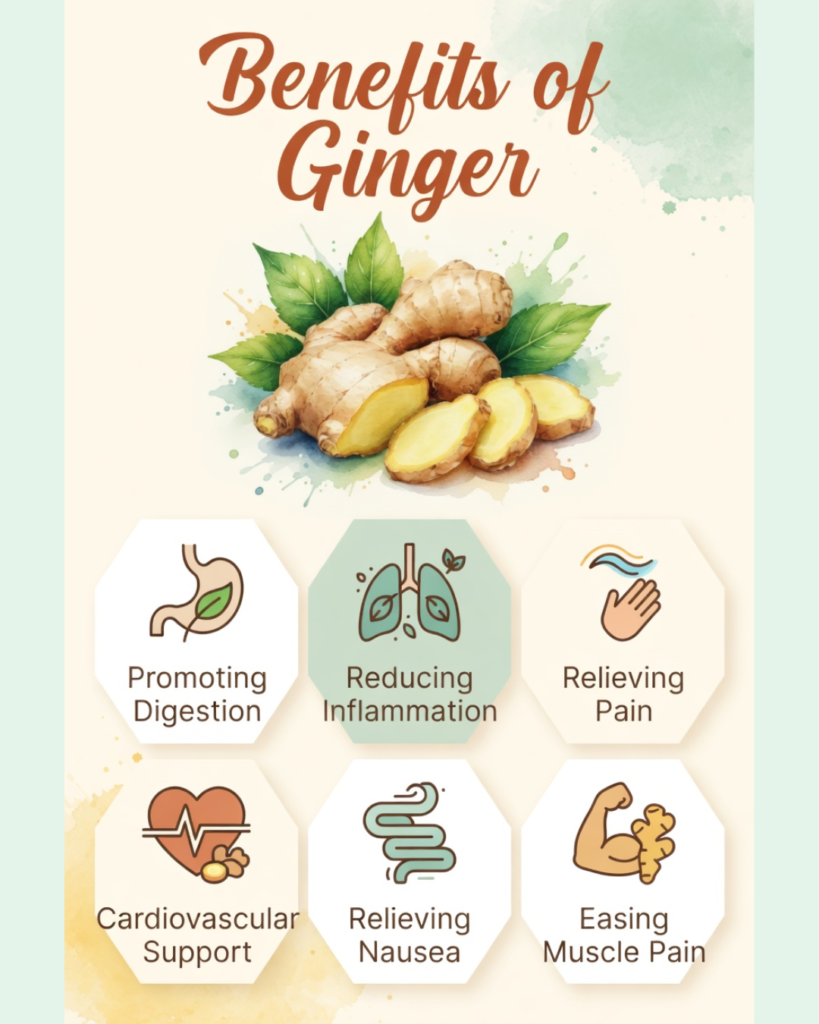
Nutritional Profile: Why Ginger Packs Such a Punch
Ginger (Zingiber officinale) contains powerful bioactive compounds called gingerols and shogaols. These give the root its spicy kick and therapeutic power. A single teaspoon of fresh grated ginger delivers antioxidants, anti-inflammatory agents, and small amounts of magnesium, potassium, and vitamin C—making it a perfect partner for the vitamin C-rich foods and flatter-belly choices we’ve covered before.
Because it’s so concentrated, you only need small amounts to feel the difference. Fresh, dried, or even ginger essential oil all work, but fresh offers the highest levels of active compounds.
Top 8 Science-Backed Benefits of Ginger
1. Soothes Digestion and Beats Bloat Fast Ginger speeds up stomach emptying and relaxes intestinal muscles. Multiple studies, including a 2022 review in Food Science & Nutrition, show it reduces bloating, gas, and indigestion within 30–60 minutes. This makes it a star player in the stomach-care foods and flatter-belly lists we shared earlier. Add it to meals or sip ginger tea after lunch and notice less puffiness by evening.
2. Natural Relief for Nausea and Morning Sickness Ginger is one of the most researched remedies for nausea. It works by blocking certain receptors in the gut and brain. Research published in the journal Obstetrics & Gynecology confirms it safely eases morning sickness, motion sickness, and even chemotherapy-related nausea—without drowsiness.
3. Reduces Inflammation and Joint/Muscle Pain Gingerols act like natural NSAIDs, lowering inflammatory markers such as PGE2. A 2023 meta-analysis in Phytotherapy Research found that 1–2 grams daily significantly reduced muscle soreness after exercise and eased osteoarthritis pain. Pair it with your daily one-hour walk for faster recovery.
4. Supports Immune Health and Fights Colds Ginger’s antioxidant and antimicrobial properties help your body fight viruses. Combined with vitamin C-rich foods (kiwi, red bell pepper), it gives your immune system a double boost—exactly what you need during cold season.
5. Helps Regulate Blood Sugar and Supports Meal Timing Eating ginger with meals improves insulin sensitivity and keeps blood sugar steadier. This aligns perfectly with the optimal meal-timing schedule we discussed—especially when you enjoy ginger at breakfast or lunch.
6. Eases Menstrual Discomfort Women who take ginger during their period often report less pain and cramping. The anti-inflammatory action works similarly to over-the-counter relief but without stomach irritation.
7. Promotes Heart Health Ginger may lower LDL cholesterol and triglycerides while improving circulation—supporting the cholesterol awareness we covered earlier.
8. Improves Sleep Quality When Used in the Evening A warm cup of ginger tea earlier in the evening (not right before bed) calms the digestive system so your magnesium lotion ritual can work even better for deep sleep.
How Ginger Works in the Body (Simple Science)
Gingerols and shogaols interact with serotonin and dopamine receptors in the gut and brain, calming overactive nerves and reducing spasms. They also block enzymes that cause inflammation and slow digestion. Because ginger is gentle on the stomach lining (unlike some spices), it’s safe for daily use and pairs beautifully with the probiotic yogurt and kefir we recommend for gut balance.
Practical Ways to Add Ginger to Your Healthy Lifestyle
Morning Ritual Start your day with warm lemon-ginger water (fresh grated ginger + lemon slice). This supports hydration, vitamin C, and gentle stomach care all at once.
Midday Boost Grate fresh ginger into stir-fries, smoothies, or salad dressings. Try the bloat-busting green smoothie we shared earlier with an extra knob of ginger.
Evening Wind-Down Sip mild ginger tea 2–3 hours before bed (after your early dinner) to settle digestion before your magnesium lotion and sleep routine.
Quick Recipes
- Ginger-Lemon Digestive Tea: 1 tsp grated ginger + juice of ½ lemon + hot water. Steep 5 minutes.
- Golden Ginger Smoothie: Banana + pineapple + kefir + small piece of ginger + pinch of turmeric.
- Ginger Stir-Fry Sauce: Grated ginger + garlic + a splash of lemon for any vegetable or protein dish.
How Much to Use Start with 1–2 grams of fresh ginger daily (about a 1-inch piece). You can safely go up to 4 grams. Dried powder is more concentrated—use ¼–½ tsp to replace fresh.
Common Mistakes to Avoid
- Taking too much on an empty stomach if you’re sensitive (start small).
- Using old or dried-out ginger that has lost its potency.
- Pairing it with very spicy meals if you have reflux—ginger is calming, but heat can still irritate.
- Expecting overnight miracles—consistent daily use for 7–14 days gives the best results.
Safety and Who Should Be Cautious
Ginger is very safe for most people. Those on blood thinners or with gallstones should check with a doctor first. Pregnant women can use it safely for nausea but should stay under 1 gram daily.
Conclusion
Ginger is far more than a spicy flavoring—it’s a gentle, multi-tasking natural remedy that supports digestion, reduces inflammation, eases nausea, boosts immunity, and fits seamlessly into your healthy lifestyle. From your morning lemon-ginger water to post-walk recovery smoothies and evening teas, this one root can help calm your stomach, flatten your belly, steady your energy, and improve sleep when used at the right times.
Start today with one simple addition—fresh ginger tea after lunch or in your breakfast smoothie. In a week you’ll likely notice less bloating, more comfortable digestion, and an overall lighter feeling. Small daily doses of ginger really do create big wellness wins.
You already have the tools in your kitchen. Give your body this ancient, science-backed gift and enjoy the difference—one soothing, spicy bite at a time.