Meta Description: Learn what causes muscle cramps, how to prevent them, and effective relief strategies including hydration, stretching, nutrition, and lifestyle tips.
Muscle cramps can strike suddenly—whether you’re sleeping, exercising, or simply walking. That sharp, tightening pain can stop you in your tracks and leave you wondering what just happened. If you’ve been asking yourself, “Why am I getting muscle cramps so often?” you’re not alone.
The good news is that muscle cramps are usually harmless and often linked to simple lifestyle factors like dehydration, muscle fatigue, or nutrient imbalance. In this guide, you’ll discover what causes them, how to prevent them, and practical ways to get fast relief when they happen.
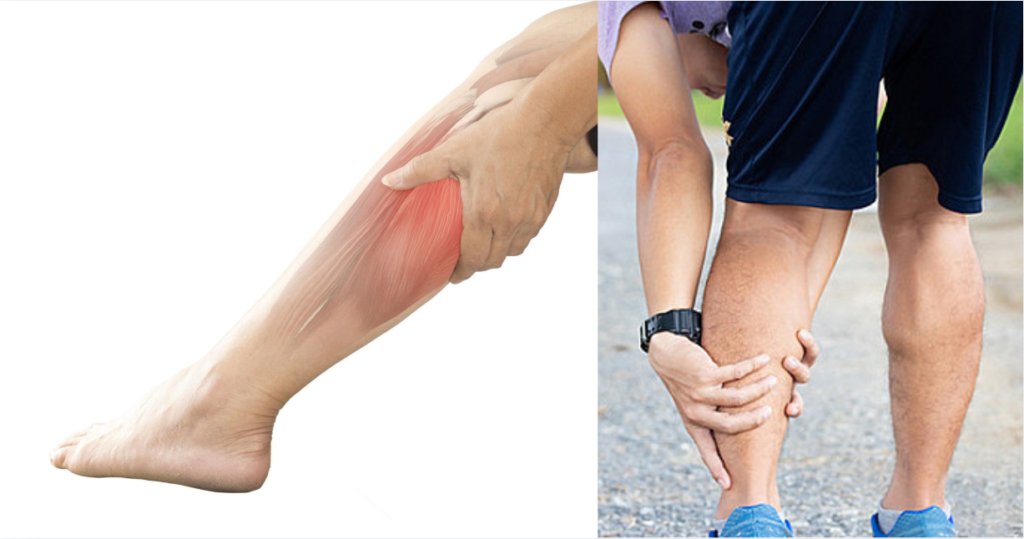
What Are Muscle Cramps? Understanding the Basics
Muscle cramps are sudden, involuntary contractions of one or more muscles. They often feel like a tight knot and can last from a few seconds to several minutes.
Common areas affected
Muscle cramps frequently occur in:
- Calves
- Thighs
- Feet
- Hands
- Abdomen
Why cramps happen
Cramps usually occur when muscles become overworked, dehydrated, or lacking in essential minerals needed for proper contraction and relaxation.
Common Causes of Muscle Cramps
Understanding the root causes can help you prevent them more effectively.
1. Dehydration
When your body lacks enough fluids, muscle function becomes impaired. This can trigger cramps, especially during heat or exercise.
Tip: Drink water consistently throughout the day—not just when you feel thirsty.
2. Electrolyte imbalance
Minerals like potassium, magnesium, calcium, and sodium are essential for muscle function. Low levels can lead to cramps.
Common triggers include:
- Excess sweating
- Poor diet
- Intense exercise
3. Muscle fatigue
Overusing a muscle—especially without proper stretching—can cause it to cramp. This is common after workouts or long periods of standing.
4. Poor circulation
Reduced blood flow to muscles can contribute to cramping, especially during sleep or prolonged inactivity.
5. Medical or lifestyle factors
Sometimes cramps may be linked to:
- Pregnancy
- Certain medications
- Nerve compression
- Underlying health conditions
Featured Snippet: What is the main cause of muscle cramps?
The most common causes of muscle cramps include dehydration, electrolyte imbalance, muscle fatigue, and poor circulation. These factors disrupt normal muscle contraction and relaxation, leading to sudden involuntary tightening.
How to Relieve Muscle Cramps Quickly
When a cramp strikes, fast action can help reduce pain.
1. Stretch the affected muscle
Gently stretch the cramped muscle to help it relax.
- For calf cramps: pull your toes upward toward your shin
- For thigh cramps: gently extend and straighten the leg
2. Massage the area
Light massage can improve blood flow and help the muscle release tension. Use circular motions for best results.
3. Apply heat or cold
- Heat: relaxes tight muscles
- Cold: reduces pain and inflammation
Choose what feels best for your situation.
4. Hydrate immediately
Drink water or an electrolyte-rich beverage to restore balance.
Prevention: How to Avoid Muscle Cramps
1. Stay hydrated
Make hydration a daily habit, not just during exercise.
2. Eat mineral-rich foods
Include foods rich in:
- Potassium (bananas, dates)
- Magnesium (nuts, leafy greens)
- Calcium (dairy, fortified alternatives)
3. Stretch regularly
Stretch before and after physical activity to keep muscles flexible and less prone to cramping.
4. Avoid overexertion
Gradually increase workout intensity instead of pushing muscles too hard too quickly.
5. Improve sleep posture
Poor sleeping positions can contribute to nighttime cramps. Keep your legs slightly elevated and relaxed.
Advanced Tips for Long-Term Relief
Improve circulation
Regular movement helps prevent cramps caused by poor blood flow. Try:
- Walking daily
- Light stretching breaks during the day
Balance electrolytes naturally
Instead of relying only on supplements, focus on whole foods and hydration balance.
Manage stress levels
Stress can increase muscle tension, making cramps more likely. Relaxation techniques like deep breathing or yoga can help.
Common Mistakes People Make
Ignoring hydration
Many people only drink water when thirsty, but by then, mild dehydration may already be present.
Skipping warm-ups
Jumping into exercise without preparation increases cramp risk.
Overstretching a cramp
Forcing a muscle too hard during a cramp can worsen pain—gentle movement is best.
When Should You Be Concerned?
Most muscle cramps are harmless, but you should seek medical advice if you experience:
- Frequent or severe cramps
- Cramps with swelling or redness
- Persistent muscle weakness
- Cramps affecting daily life
Maximizing Muscle Health
To keep your muscles healthy long-term:
- Maintain a balanced diet
- Stay active but avoid overtraining
- Hydrate consistently
- Include recovery days in your routine
- Stretch daily
These habits help your muscles stay flexible, strong, and less prone to sudden tightening.
Conclusion
Muscle cramps can be painful and disruptive, but they are often preventable with simple lifestyle changes. Staying hydrated, maintaining proper nutrition, stretching regularly, and listening to your body can significantly reduce their frequency.
When cramps do occur, quick actions like stretching, massage, and hydration can bring fast relief. By understanding your body and making small daily improvements, you can reduce discomfort and improve overall muscle health.
Take control of your wellness—your muscles will thank you for it.
Important Disclaimer: This article is for informational purposes only and should not replace professional medical advice. If you experience frequent or severe muscle cramps, consult a healthcare provider for proper evaluation and treatment.