Meta Description: Discover gut-friendly foods that help reduce inflammation, support digestion, and improve overall health through simple, science-backed dietary choices.
Your gut plays a central role in your overall health, influencing digestion, immunity, energy levels, and even inflammation in the body. If you often feel bloated, fatigued, or uncomfortable after meals, your gut may be asking for more balance and nourishment. The good news is that the right foods can help calm inflammation, support healthy digestion, and restore harmony in your digestive system.
In this guide, you’ll discover gut-friendly foods for inflammation relief, how they work, and simple ways to include them in your daily routine for long-term wellness.
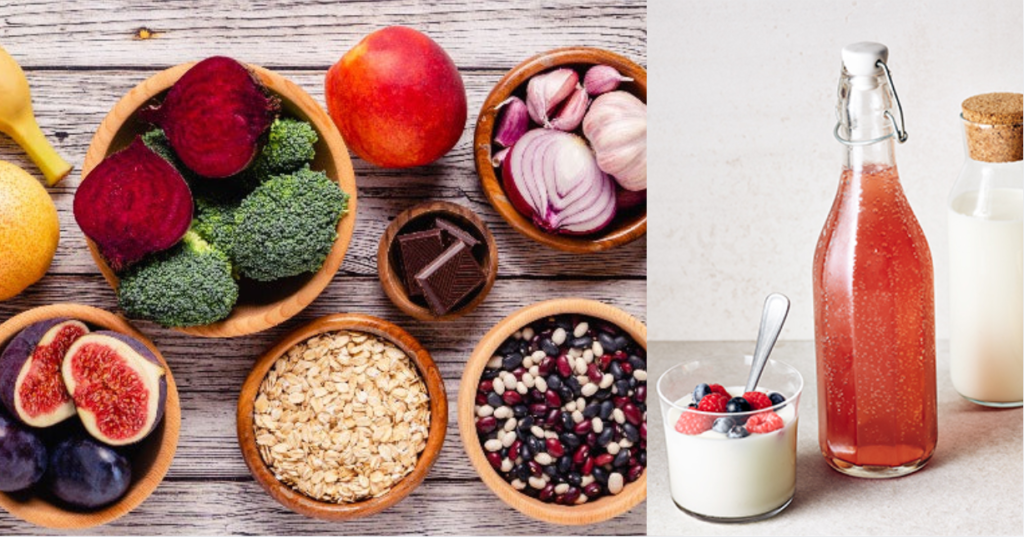
Understanding Gut Health and Inflammation
Your gut is home to trillions of bacteria known as the gut microbiome. When balanced, these bacteria support digestion and protect against harmful pathogens. But when disrupted, it can lead to inflammation and digestive discomfort.
What is gut inflammation?
Gut inflammation occurs when the digestive tract becomes irritated due to poor diet, stress, or imbalanced gut bacteria. It may cause:
- Bloating
- Gas
- Abdominal pain
- Irregular bowel movements
- Fatigue
Why gut health matters for inflammation
A healthy gut helps regulate immune responses. When your gut is balanced, your body is less likely to trigger unnecessary inflammation.
Top Gut-Friendly Foods That Help Reduce Inflammation
1. Fermented foods (natural probiotics)
Fermented foods are rich in beneficial bacteria that help restore gut balance.
Examples include:
- Yogurt
- Kefir
- Sauerkraut
- Kimchi
- Miso
These foods introduce healthy microbes that support digestion and reduce inflammation.
2. Fiber-rich fruits and vegetables
Fiber feeds beneficial gut bacteria, helping them thrive.
Best options:
- Apples
- Bananas
- Berries
- Spinach
- Broccoli
Fiber also helps remove waste from the digestive system, supporting detoxification.
3. Whole grains for digestive balance
Whole grains provide steady energy and support gut bacteria diversity.
Include:
- Oats
- Brown rice
- Quinoa
- Whole wheat
They help regulate digestion and reduce inflammatory spikes in the gut.
4. Healthy fats for inflammation control
Healthy fats help reduce inflammation and support gut lining integrity.
Sources include:
- Olive oil
- Avocados
- Walnuts
- Chia seeds
- Flaxseeds
5. Anti-inflammatory herbs and spices
Certain spices naturally calm inflammation and support digestion.
- Turmeric
- Ginger
- Cinnamon
- Garlic
These ingredients also support gut microbiome balance.
Featured Snippet: What foods are best for gut inflammation relief?
The best foods for gut inflammation relief include fermented foods (like yogurt and kimchi), fiber-rich fruits and vegetables, whole grains, healthy fats, and anti-inflammatory spices such as turmeric and ginger. These foods support beneficial gut bacteria and reduce digestive irritation.
How Gut-Friendly Foods Reduce Inflammation
They support healthy bacteria
Good bacteria in your gut help crowd out harmful microbes and maintain balance.
They strengthen the gut lining
Certain foods help repair and protect the intestinal barrier, reducing “leaky gut” risk.
They regulate immune response
A balanced gut helps prevent the immune system from overreacting and causing inflammation.
Simple Daily Gut-Friendly Eating Plan
Morning
- Oatmeal with berries and chia seeds
- Herbal tea or warm lemon water
Lunch
- Brown rice or quinoa bowl with vegetables
- Olive oil dressing
Dinner
- Grilled fish or legumes
- Steamed vegetables with garlic and turmeric
Snacks
- Yogurt with fruit
- Nuts or seeds
Advanced Tips for Gut Health Optimization
1. Combine probiotics and prebiotics
- Probiotics = beneficial bacteria (yogurt, kefir)
- Prebiotics = food for bacteria (bananas, onions, garlic)
Together, they create a powerful gut-support system.
2. Reduce processed foods
Highly processed foods can disrupt gut bacteria and increase inflammation. Limit:
- Sugary snacks
- Fast food
- Artificial additives
3. Stay hydrated
Water helps digestion and supports nutrient absorption, keeping the gut functioning smoothly.
Common Mistakes to Avoid
Overloading on fiber too quickly
Too much fiber suddenly can cause bloating. Increase gradually.
Ignoring food sensitivity signs
Certain foods may trigger inflammation for some individuals—pay attention to your body’s response.
Relying only on supplements
Whole foods provide a wider range of nutrients than supplements alone.
When to Seek Medical Advice
You should consult a healthcare professional if you experience:
- Persistent abdominal pain
- Chronic diarrhea or constipation
- Unexplained weight loss
- Severe bloating or discomfort
Maximizing Gut Healing Results
To fully support gut health and reduce inflammation:
- Eat a diverse range of plant foods
- Maintain a consistent eating schedule
- Manage stress through relaxation techniques
- Get regular physical activity
- Prioritize sleep quality
Small daily habits create long-term digestive balance and improved overall health.
Conclusion
Gut health is deeply connected to inflammation and overall wellness. By choosing gut-friendly foods like fermented products, fiber-rich fruits, whole grains, healthy fats, and anti-inflammatory spices, you can naturally support your digestive system and reduce discomfort.
The key is consistency—not perfection. Small, intentional changes in your daily diet can lead to powerful improvements in how you feel. Start today, listen to your body, and build a healthier gut one meal at a time.
Important Disclaimer: This article is for informational purposes only and should not replace professional medical advice. If you have persistent digestive symptoms or health concerns, consult a qualified healthcare provider.