Meta Description: Learn about lipedema flare-ups, including common triggers, symptoms, progression, and supportive management strategies for this chronic fat-distribution disorder.
Lipedema is a chronic condition characterized by abnormal fat accumulation, most commonly affecting the legs, hips, buttocks, and sometimes the arms. Many individuals experience periods where symptoms suddenly worsen—commonly referred to as a lipedema flare-up.
Understanding what triggers these flare-ups and how to manage symptoms can help improve comfort, mobility, and quality of life.
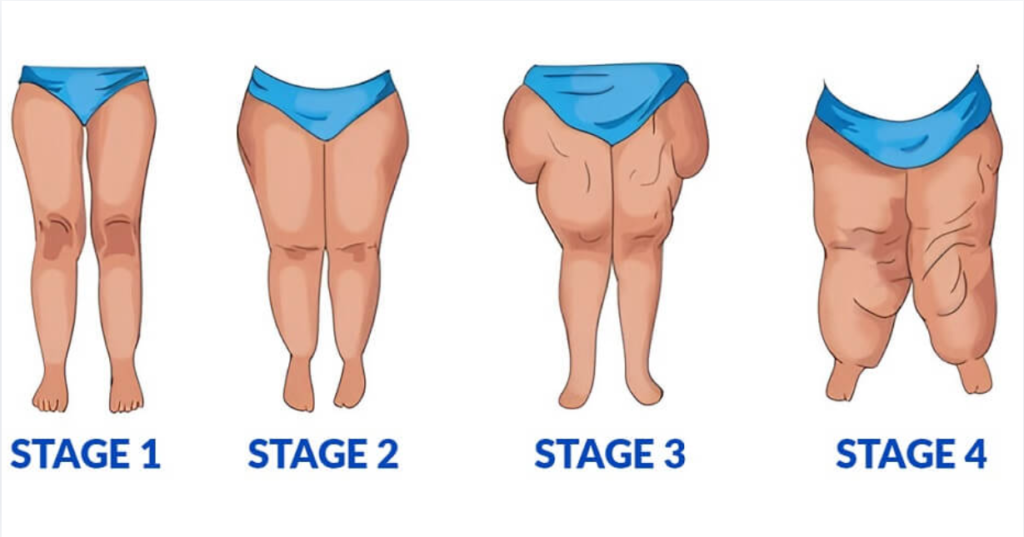
What Is Lipedema?
Lipedema is a disorder involving abnormal fat deposition and inflammation, primarily affecting women.
Key characteristics
- Symmetrical fat distribution
- Painful or tender tissue
- Easy bruising
- Swelling that may worsen over time
Commonly affected areas
- Thighs
- Legs
- Hips
- Arms
The feet and hands are often spared in earlier stages.
Featured Snippet: What is lipedema?
Lipedema is a chronic condition involving abnormal fat accumulation, pain, swelling, and tissue tenderness, usually affecting the legs and arms symmetrically.
What Is a Lipedema Flare-Up?
A flare-up is a period when symptoms become more intense.
During a flare-up, people may notice:
- Increased swelling
- Heaviness in the limbs
- More pain or tenderness
- Greater fatigue
- Increased skin sensitivity
Common Triggers of Lipedema Flare-Ups
1. Hormonal changes
Flare-ups are often linked to hormonal shifts such as:
- Puberty
- Pregnancy
- Menopause
2. Heat and hot weather
Warm temperatures may:
- Increase swelling
- Worsen discomfort
- Reduce circulation efficiency
3. Prolonged standing or sitting
Long periods without movement can increase fluid retention and heaviness.
4. Inflammation-promoting lifestyle factors
Possible contributors include:
- High-sodium diet
- Processed foods
- Poor sleep
- Chronic stress
5. Physical overexertion
Intense or high-impact exercise may worsen pain temporarily in some individuals.
Featured Snippet: What triggers lipedema flare-ups?
Lipedema flare-ups may be triggered by hormonal changes, heat, prolonged standing, inflammation, stress, and physical overexertion.
Common Symptoms During a Flare-Up
1. Pain and tenderness
- Aching sensation
- Pressure sensitivity
- Pain with touch
2. Swelling and heaviness
- Legs may feel tight or enlarged
- Symptoms often worsen later in the day
3. Easy bruising
Fragile capillaries may lead to frequent bruises.
4. Fatigue and mobility challenges
- Limb heaviness can affect walking or daily activities
5. Emotional distress
Chronic symptoms may contribute to:
- Anxiety
- Frustration
- Reduced quality of life
Lipedema vs Lymphedema
Although related, they are different conditions.
Lipedema
- Symmetrical fat accumulation
- Painful tissue
- Feet often spared initially
Lymphedema
- Fluid buildup due to lymphatic dysfunction
- Often affects feet and toes
- May cause skin thickening
Featured Snippet: How is lipedema different from lymphedema?
Lipedema involves painful abnormal fat accumulation, while lymphedema is caused by lymphatic fluid buildup and commonly affects the feet and toes.
How Lipedema Is Evaluated
Clinical assessment includes
- Symptom history
- Physical examination
- Distribution pattern of fat and swelling
Additional evaluation
- Ultrasound or imaging (sometimes used)
- Exclusion of vascular or lymphatic disorders
Management Strategies for Lipedema Flare-Ups
There is currently no universal cure, but symptoms can often be managed effectively.
1. Compression therapy
Compression garments may help:
- Reduce swelling
- Improve comfort
- Support circulation
2. Gentle movement and exercise
Low-impact activities are often preferred:
- Walking
- Swimming
- Cycling
- Water aerobics
3. Anti-inflammatory lifestyle habits
Helpful measures may include:
- Balanced diet rich in whole foods
- Hydration
- Sleep optimization
- Stress management
4. Manual lymphatic support
Some individuals benefit from:
- Manual lymphatic drainage techniques
- Specialized physical therapy
5. Weight management support
While lipedema fat is resistant to standard weight loss, maintaining a healthy weight may help reduce symptom burden.
Featured Snippet: How do you manage a lipedema flare-up?
Lipedema flare-ups are commonly managed with compression therapy, low-impact exercise, anti-inflammatory lifestyle habits, and supportive lymphatic care.
When to Seek Medical Attention
Consult a healthcare professional if you experience:
- Sudden major swelling increase
- Skin redness or warmth
- Severe pain
- Signs of infection
- Rapid functional decline
Common Misconceptions About Lipedema
Myth 1: Lipedema is simply obesity
Reality: Lipedema is a distinct medical condition involving abnormal fat distribution and pain.
Myth 2: Exercise alone cures lipedema
Reality: Exercise helps symptoms but does not eliminate the condition.
Myth 3: It only affects appearance
Reality: Lipedema can significantly affect mobility, comfort, and emotional health.
Internal Linking Opportunities
This topic connects well with:
- Lymphedema and lymphatic health
- Chronic inflammatory disorders
- Venous and circulatory conditions
- Hormonal health and metabolism
- Compression therapy and rehabilitation
Conclusion
Lipedema flare-ups can significantly affect daily comfort and mobility, but understanding common triggers and symptom patterns can help individuals manage the condition more effectively.
Through supportive care strategies such as compression therapy, gentle exercise, anti-inflammatory habits, and medical guidance, many people with lipedema can improve symptom control and quality of life.
Important Disclaimer: This article is for educational purposes only and should not replace professional medical advice. If you suspect lipedema or experience worsening symptoms, consult a qualified healthcare provider for proper evaluation and management.