Meta Description: Learn what swelling is, why it happens, and how inflammation, fluid balance, injury, and disease contribute to this complex tissue response.
Swelling is one of the body’s most common physical responses to injury, inflammation, or internal imbalance. Medically referred to as edema or tissue swelling depending on the cause, it occurs when excess fluid accumulates in tissues or when inflammatory processes alter normal tissue structure.
Although swelling is often protective in the short term, persistent or severe swelling may indicate underlying disease affecting the circulatory, lymphatic, immune, or organ systems.
This guide explains how swelling develops, what causes it, and what it may indicate clinically.
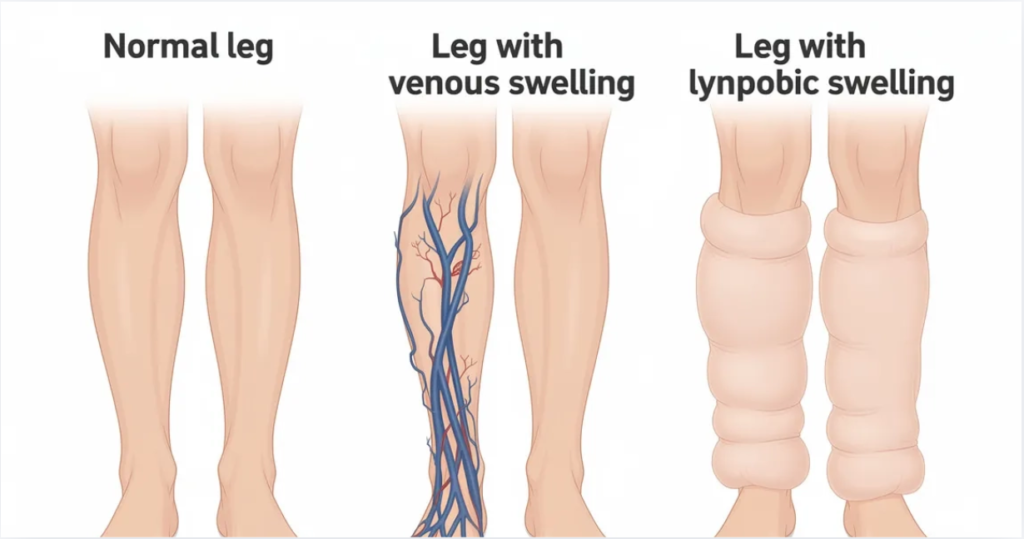
What Is Swelling?
Swelling is an enlargement of tissue caused by:
- Fluid accumulation
- Inflammation
- Increased blood flow
- Cellular injury or immune activity
Common locations
- Feet and legs
- Hands
- Joints
- Face
- Abdomen
Featured Snippet: What causes swelling in the body?
Swelling occurs when fluid, inflammatory cells, or blood accumulate in tissues due to injury, infection, poor circulation, allergic reactions, or organ dysfunction.
The Science Behind Swelling
Swelling is part of the body’s complex protective response.
Step 1: Blood vessel changes
When tissue is injured or inflamed:
- Blood vessels dilate
- Blood flow increases
- Vessel permeability rises
Step 2: Fluid leaks into tissues
Plasma and immune cells move from blood vessels into surrounding tissues.
Step 3: Tissue expansion occurs
The accumulated fluid causes visible puffiness or enlargement.
Step 4: Immune response activation
Inflammatory mediators help:
- Fight infection
- Repair tissue
- Remove damaged cells
Types of Swelling
1. Inflammatory swelling
Usually linked to:
- Injury
- Infection
- Autoimmune disease
Signs
- Redness
- Warmth
- Pain
- Swelling
2. Edema
Edema refers specifically to excess fluid accumulation.
Common causes
- Heart failure
- Kidney disease
- Liver disease
- Venous insufficiency
3. Lymphatic swelling
Related to impaired lymph drainage.
Important condition
Lymphedema develops when lymph fluid cannot drain properly.
4. Allergic swelling
Triggered by immune reactions.
Examples
- Insect stings
- Food allergies
- Medication reactions
Featured Snippet: What is edema?
Edema is swelling caused by excess fluid trapped in body tissues, commonly affecting the legs, ankles, hands, or face.
Common Causes of Swelling
1. Injury and trauma
- Sprains
- Fractures
- Muscle tears
Inflammation helps initiate tissue repair.
2. Infection
The immune system increases blood flow and immune cell activity.
3. Circulatory problems
Poor venous return may cause fluid buildup in the legs.
4. Organ dysfunction
Heart disease
Reduced circulation efficiency may increase fluid retention.
Kidney disease
Impaired fluid regulation can cause generalized swelling.
Liver disease
Low protein production may alter fluid balance.
5. Hormonal and metabolic causes
- Pregnancy
- Menstrual cycle changes
- Thyroid disorders
Symptoms That May Accompany Swelling
Common associated symptoms
- Tightness in the skin
- Pain or tenderness
- Reduced movement
- Warmth or redness
Warning signs
Seek urgent medical care if swelling occurs with:
- Shortness of breath
- Chest pain
- Sudden one-sided leg swelling
- Facial swelling affecting breathing
Featured Snippet: When is swelling dangerous?
Swelling may be dangerous when accompanied by shortness of breath, chest pain, severe redness, fever, or sudden one-sided limb enlargement, which may indicate serious medical conditions.
Localized vs Generalized Swelling
Localized swelling
Affects one specific area.
Examples
- Ankle sprain
- Insect bite
- Local infection
Generalized swelling
Affects multiple body areas.
Possible causes
- Heart failure
- Kidney disease
- Liver disease
Pitting vs Non-Pitting Swelling
Pitting edema
Leaves an indentation after pressure is applied.
Often linked to
- Fluid overload
- Venous insufficiency
Non-pitting swelling
Does not leave a dent.
Commonly associated with
- Lymphedema
- Thyroid disorders
How Swelling Is Evaluated
1. Physical examination
Healthcare providers assess:
- Distribution
- Warmth
- Tenderness
- Skin changes
2. Blood tests
May evaluate:
- Kidney function
- Liver function
- Inflammatory markers
3. Imaging studies
- Ultrasound
- X-rays
- CT or MRI if needed
Management of Swelling
Treatment depends on the underlying cause.
1. Rest and elevation
Helps improve fluid return.
2. Compression therapy
Compression stockings or wraps may reduce swelling.
3. Anti-inflammatory strategies
- Ice application (for injuries)
- Medications when appropriate
4. Treat underlying conditions
Managing heart, kidney, liver, or vascular disorders is essential.
5. Lifestyle measures
- Regular movement
- Reduced sodium intake
- Adequate hydration
Featured Snippet: How do you reduce swelling?
Swelling can often be reduced with rest, elevation, compression, anti-inflammatory care, and treatment of the underlying cause responsible for fluid buildup or inflammation.
Common Misconceptions About Swelling
Myth 1: All swelling is caused by injury
Reality: Organ disease and circulation problems can also cause swelling.
Myth 2: Swelling is always harmless
Reality: Some forms may indicate serious medical emergencies.
Myth 3: Drinking less water always helps
Reality: Dehydration may worsen fluid regulation in some cases.
Internal Linking Opportunities
This topic connects well with:
- Inflammation and immune response
- Lymphedema and lymphatic disorders
- Circulatory and vascular diseases
- Kidney and liver function
- Fluid balance and edema physiology
Conclusion
Swelling is a complex biological response involving fluid balance, inflammation, circulation, and tissue repair. While temporary swelling may be part of normal healing, persistent or severe swelling can signal underlying medical conditions requiring evaluation.
Understanding how swelling develops—and recognizing warning signs—helps support earlier diagnosis, better management, and improved overall health awareness.
Important Disclaimer: This article is for educational purposes only and should not replace professional medical advice. Persistent, severe, or unexplained swelling should be evaluated by a qualified healthcare professional.