Meta Description: Learn about thyroid cancer, including types, symptoms, risk factors, diagnosis, and modern treatment approaches in this updated clinical overview.
Thyroid cancer is a type of cancer that develops in the thyroid gland, a small butterfly-shaped organ located at the base of the neck. The thyroid plays a key role in regulating metabolism, energy production, and hormonal balance.
Most thyroid cancers grow slowly and are highly treatable when detected early, but understanding warning signs and risk factors is essential for timely diagnosis.
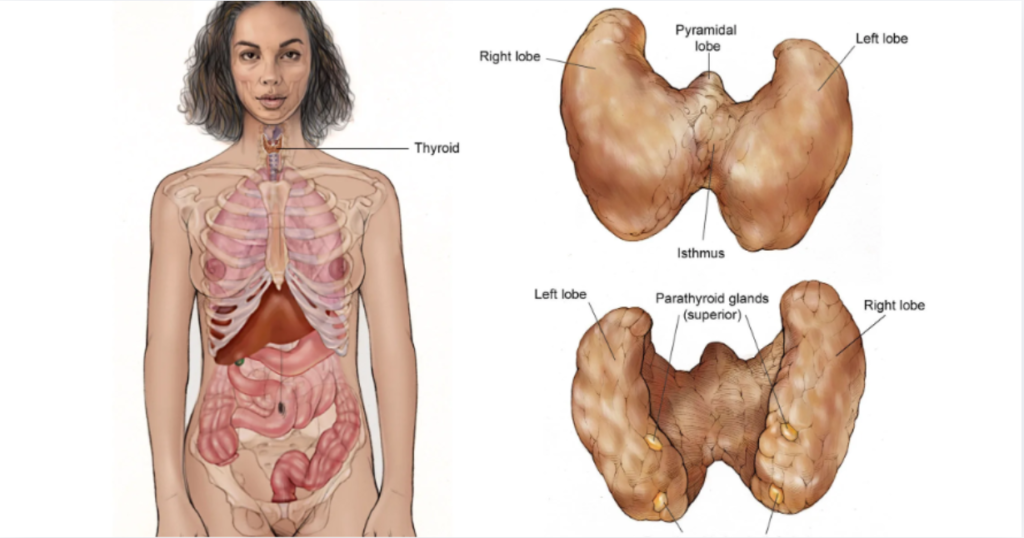
What Is Thyroid Cancer?
Thyroid cancer occurs when abnormal cells in the thyroid gland begin to grow uncontrollably, forming a tumor.
Main functions of the thyroid
- Regulates metabolism
- Controls body temperature
- Supports heart rate and energy balance
Featured Snippet: What is thyroid cancer?
Thyroid cancer is a disease in which abnormal cells grow in the thyroid gland, forming tumors that may affect hormone regulation and overall metabolism.
Main Types of Thyroid Cancer
1. Papillary thyroid cancer
Most common type.
Key features
- Slow-growing
- High survival rate
- Often spreads to lymph nodes
2. Follicular thyroid cancer
Second most common type.
Key features
- Can spread through blood vessels
- May affect lungs and bones
3. Medullary thyroid cancer
Develops from C cells (calcitonin-producing cells).
Key features
- May be genetic
- Associated with hormonal markers
4. Anaplastic thyroid cancer
Rare but aggressive.
Key features
- Rapid growth
- Difficult to treat
- Poor prognosis compared to other types
Featured Snippet: What are the types of thyroid cancer?
The main types of thyroid cancer are papillary, follicular, medullary, and anaplastic thyroid cancer, each differing in growth rate, spread, and prognosis.
Early Signs and Symptoms
Thyroid cancer may not cause symptoms in early stages.
Common symptoms
- Painless neck lump or swelling
- Changes in voice (hoarseness)
- Difficulty swallowing
- Persistent throat or neck discomfort
- Enlarged lymph nodes
Advanced symptoms
- Breathing difficulty
- Rapid tumor growth (in aggressive types)
Featured Snippet: What are symptoms of thyroid cancer?
Symptoms of thyroid cancer may include a neck lump, hoarseness, difficulty swallowing, swollen lymph nodes, and persistent neck discomfort.
Risk Factors
1. Radiation exposure
- Especially during childhood
- Medical radiation to head/neck
2. Genetic factors
Some forms (especially medullary) may be inherited.
3. Gender and age
- More common in women
- Often diagnosed between ages 30–60
4. Thyroid disease history
- Goiter
- Thyroid nodules
5. Family history
Increases risk significantly in some cases.
Diagnosis of Thyroid Cancer
1. Physical examination
- Neck palpation for nodules
- Lymph node assessment
2. Ultrasound imaging
- Evaluates thyroid nodules
- Detects suspicious features
3. Fine-needle aspiration biopsy
- Samples thyroid tissue
- Confirms malignancy
4. Blood tests
- Thyroid hormone levels
- Tumor markers (in specific types like medullary cancer)
Featured Snippet: How is thyroid cancer diagnosed?
Thyroid cancer is diagnosed using physical examination, ultrasound imaging, and biopsy of thyroid nodules, often confirmed with laboratory and genetic tests.
Treatment Options (2026 Update Overview)
Treatment depends on cancer type and stage.
1. Surgery
Most common treatment approach.
- Partial or total thyroid removal (thyroidectomy)
- Lymph node removal if needed
2. Radioactive iodine therapy
Used to destroy remaining thyroid tissue or cancer cells after surgery.
3. Hormone therapy
Patients may take thyroid hormone replacement to:
- Maintain metabolism
- Suppress tumor recurrence
4. External beam radiation
Used in advanced or aggressive cases.
5. Targeted therapy
Newer treatments for advanced cancers that do not respond to standard therapy.
Featured Snippet: How is thyroid cancer treated?
Thyroid cancer is commonly treated with surgery, radioactive iodine therapy, hormone replacement, and in advanced cases, targeted therapies or radiation.
Prognosis and Survival
Generally favorable outlook
- High survival rates for papillary and follicular types
- Excellent outcomes with early detection
More aggressive forms
- Medullary and anaplastic cancers require intensive treatment
- Prognosis depends on stage at diagnosis
Monitoring after treatment
Patients may require:
- Regular ultrasound
- Blood tests
- Hormone level monitoring
Prevention and Early Detection
There is no guaranteed prevention, but risk reduction is possible.
1. Avoid unnecessary radiation exposure
- Especially in childhood
2. Monitor thyroid nodules
- Regular check-ups for high-risk individuals
3. Genetic counseling
- Recommended for families with inherited thyroid cancer syndromes
4. Early medical evaluation
- Any persistent neck lump should be examined
Featured Snippet: Can thyroid cancer be prevented?
Thyroid cancer cannot always be prevented, but reducing radiation exposure and monitoring thyroid nodules may help with early detection and risk management.
When to See a Doctor
Seek medical attention if you notice:
- Neck lump that persists
- Hoarseness lasting weeks
- Difficulty swallowing
- Enlarged lymph nodes
Internal Linking Opportunities
This topic connects well with:
- Endocrine system disorders
- Hormonal regulation and metabolism
- Neck masses and thyroid nodules
- Cancer detection and oncology basics
- Radiation exposure and health risks
Conclusion
Thyroid cancer is a generally treatable malignancy when detected early, with most cases showing excellent outcomes. Recognizing symptoms such as neck lumps, voice changes, or swallowing difficulties is key to early diagnosis.
Advances in imaging, biopsy techniques, and targeted therapies continue to improve prognosis and personalized care in 2026 and beyond.
Important Disclaimer: This article is for educational purposes only and should not replace professional medical advice. If you suspect thyroid disease or notice persistent symptoms, consult a qualified healthcare provider.