Meta Description: Discover natural foods that may help support relaxation, stress balance, and emotional wellness through nutrients linked to brain and nervous system health.
Stress and anxiety are influenced by many factors, including sleep, lifestyle, environment, and nutrition. While food alone cannot cure anxiety disorders, certain nutrient-rich foods may help support the nervous system, stabilize energy levels, and promote emotional balance.
Traditional dietary practices and modern nutritional science both highlight the importance of whole foods for mental wellness.
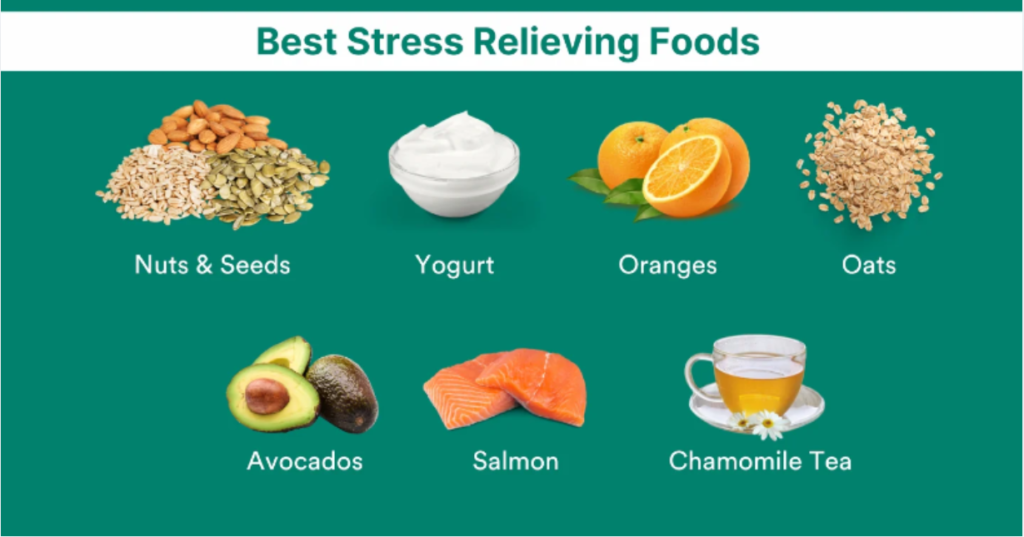
Featured Snippet: What foods may help reduce anxiety naturally?
Foods that may support anxiety relief include fatty fish, dark chocolate, bananas, nuts, yogurt, green tea, oats, berries, leafy greens, and fermented foods due to their nutrients that support brain and nervous system function.
How Nutrition Influences Stress and Anxiety
The brain and nervous system rely on nutrients to regulate:
- Neurotransmitter production
- Stress hormone balance
- Blood sugar stability
- Sleep quality
- Inflammation and oxidative stress
Poor nutrition may contribute to fatigue, irritability, and difficulty managing stress.
Top 10 Natural Foods for Anxiety Support
1. Fatty Fish
Salmon
Key nutrients
- Omega-3 fatty acids
- Vitamin D
- Protein
Potential benefits
- Supports brain cell communication
- May help regulate mood-related pathways
2. Bananas
Banana
Key nutrients
- Vitamin B6
- Potassium
- Natural carbohydrates
Potential benefits
- Supports serotonin production
- Helps maintain stable energy levels
Featured Snippet: Are bananas good for anxiety?
Bananas may support relaxation and mood balance because they contain vitamin B6, potassium, and nutrients involved in neurotransmitter production.
3. Dark Chocolate
Dark chocolate
Potential effects
- Contains flavonoids and magnesium
- May support mood and relaxation
Important note
Moderation is important due to calorie and sugar content.
4. Yogurt and Fermented Foods
Yogurt
Why they matter
The gut and brain communicate through the gut-brain axis.
Potential benefits
- Supports healthy gut microbiota
- May influence mood and stress regulation
5. Nuts and Seeds
Walnut
Key nutrients
- Magnesium
- Healthy fats
- Zinc
Potential benefits
- Supports nervous system function
- Helps regulate stress responses
6. Oats and Whole Grains
Benefits
- Provide slow-release carbohydrates
- Help maintain blood sugar stability
Stable blood sugar may support calmer energy levels and mood regulation.
7. Green Tea
Green tea
Key compound
L-theanine, an amino acid associated with relaxation.
Potential benefits
- Promotes calm alertness
- Supports focus without excessive stimulation
Featured Snippet: Does green tea help with stress?
Green tea contains L-theanine, a compound that may promote relaxation and support stress balance while maintaining alertness.
8. Berries
Blueberry
Benefits
- Rich in antioxidants
- Help combat oxidative stress
Oxidative stress may influence mental and neurological health.
9. Leafy Greens
Spinach
Key nutrients
- Magnesium
- Folate
- Antioxidants
Potential benefits
- Supports nervous system regulation
- Helps maintain neurotransmitter balance
10. Herbal and Traditional Comfort Foods
Examples include:
- Ginger tea
- Chamomile infusions
- Warm soups and broths
These foods may contribute to relaxation rituals and hydration.
Lifestyle Habits That Enhance Nutritional Support
1. Sleep quality
Poor sleep increases stress sensitivity.
2. Physical activity
Supports endorphin release and emotional balance.
3. Stress management practices
- Meditation
- Breathing exercises
- Nature exposure
Foods and Habits That May Worsen Anxiety
Excess caffeine
May increase jitteriness and heart rate.
Highly processed foods
Can contribute to blood sugar fluctuations.
Excess alcohol
May disrupt sleep and mood balance.
Important Clinical Perspective
Nutrition may support emotional wellness, but persistent or severe anxiety requires professional evaluation and care.
Featured Snippet: Can food cure anxiety?
No, food cannot cure anxiety disorders, but a balanced diet may support brain health, stress regulation, and emotional well-being as part of a broader wellness approach.
Internal Linking Opportunities
This topic connects well with:
- Brain health and neurotransmitters
- Gut-brain axis and digestion
- Stress hormones and cortisol
- Sleep and emotional regulation
- Anti-inflammatory nutrition
Conclusion
Ancient dietary traditions and modern research both suggest that nutrition plays a meaningful role in supporting emotional wellness. Foods rich in omega-3s, magnesium, antioxidants, probiotics, and complex carbohydrates may help support the nervous system and stress resilience.
Combined with healthy sleep, movement, and stress-management practices, smart nutritional habits can contribute to a calmer and more balanced mind.
Important Disclaimer: This article is for educational purposes only and should not replace professional medical or psychological advice. Individuals experiencing persistent anxiety or mental health symptoms should consult a qualified healthcare professional.