Meta Description: Learn what causes intestinal gas buildup, common digestive triggers, symptoms, and practical ways to reduce bloating and improve gut comfort.
Gas buildup in the digestive system is a normal physiological process, but when excessive, it can lead to discomfort, bloating, and abdominal pressure. It usually results from the breakdown of food in the gut and the activity of intestinal bacteria.
Understanding the causes can help improve digestion and reduce symptoms effectively.
Featured Snippet: What causes gas buildup in the stomach?
Gas buildup is mainly caused by swallowed air, bacterial fermentation of food in the intestines, and certain foods that are difficult to digest, such as beans, dairy, and high-fiber foods.
What Is Gas Buildup?
Gas forms in the digestive tract in two main ways:
- Swallowed air (aerophagia)
- Fermentation of undigested food by gut bacteria
It is normally released through:
- Belching
- Flatulence
- Absorption into the bloodstream
Common Causes of Gas Buildup
1. Food Fermentation in the Gut
Certain carbohydrates are not fully digested in the small intestine.
Common gas-producing foods
- Beans and lentils
- Onions and garlic
- Cabbage and broccoli
- Whole grains
Featured Snippet: Why do beans cause gas?
Beans cause gas because they contain complex carbohydrates that are fermented by gut bacteria, producing gas as a byproduct.
2. Swallowing Air
Air can enter the digestive tract when eating or drinking.
Common causes
- Eating too quickly
- Chewing gum
- Drinking carbonated beverages
- Talking while eating
3. Food Intolerances
Some people lack enzymes needed to digest certain foods.
Example
Lactose intolerance
Symptoms
- Bloating
- Gas
- Abdominal cramps
- Diarrhea
4. Gut Microbiome Imbalance
The balance of bacteria in the intestines plays a key role.
Possible effects
- Excess fermentation
- Increased gas production
- Digestive discomfort
5. Constipation
Slowed intestinal transit can trap gas.
Effects
- Bloating
- Abdominal pressure
- Reduced gas clearance
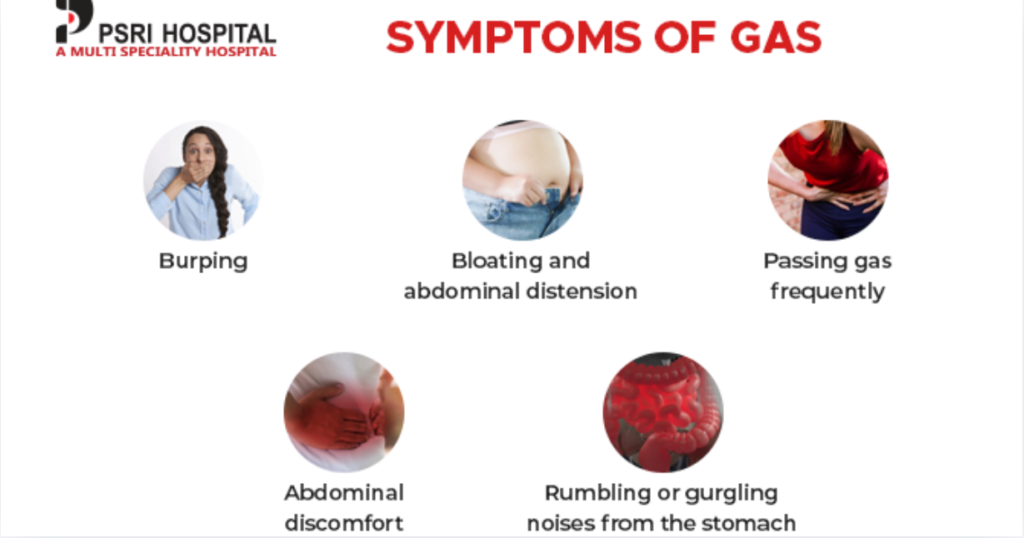
Symptoms of Gas Buildup
Common symptoms
- Abdominal bloating
- Belching
- Flatulence
- Mild abdominal discomfort
Featured Snippet: What are symptoms of excess gas?
Symptoms of excess gas include bloating, abdominal fullness, belching, flatulence, and mild cramping.
When Gas May Indicate a Problem
Occasional gas is normal, but persistent symptoms may suggest:
- Food intolerance
- Irritable bowel syndrome
- Digestive disorders
- Infection or inflammation
How to Reduce Gas Naturally
1. Eat slowly and mindfully
Reduces swallowed air and improves digestion.
2. Adjust diet
Limit or moderate:
- Carbonated drinks
- Highly processed foods
- Gas-producing vegetables (if sensitive)
3. Increase digestive-friendly foods
- Ginger
- Peppermint
- Yogurt with probiotics
4. Improve gut health
A balanced microbiome supports digestion.
Gut microbiome
5. Stay physically active
Movement helps release trapped gas.
Examples
- Walking after meals
- Light stretching
6. Hydration
Adequate water intake supports digestion and prevents constipation-related gas buildup.
Featured Snippet: How can you reduce gas quickly?
Gas can be reduced by walking, drinking warm fluids, avoiding carbonated drinks, and gently massaging the abdomen to stimulate digestion.
Medical Treatments (If Needed)
In persistent cases, healthcare providers may recommend:
- Digestive enzymes
- Probiotics
- Treatment for underlying conditions
When to See a Doctor
Seek medical advice if gas is accompanied by:
- Severe or persistent abdominal pain
- Unexplained weight loss
- Blood in stool
- Ongoing digestive changes
Internal Linking Opportunities
This topic connects well with:
- Digestive health and gut function
- Food intolerances and allergies
- Microbiome balance
- Fiber and carbohydrate digestion
- Irritable bowel syndrome
Conclusion
Gas buildup is a normal part of digestion, but excessive gas can be uncomfortable and sometimes linked to diet, gut bacteria, or digestive conditions. Identifying triggers and making simple lifestyle changes can significantly improve symptoms and support overall gut health.
Important Disclaimer: This article is for educational purposes only and should not replace professional medical advice. Persistent or severe digestive symptoms should be evaluated by a qualified healthcare provider.