Meta Description: Learn about diabetes, its types, causes, symptoms, risk factors, complications, and strategies for maintaining healthy blood sugar levels.
Diabetes mellitus is a chronic condition that affects how the body processes and uses glucose (blood sugar). Glucose is a primary source of energy for the body’s cells, but maintaining healthy levels requires proper insulin function.
When blood sugar regulation becomes impaired, glucose accumulates in the bloodstream, potentially affecting multiple organs and systems over time.
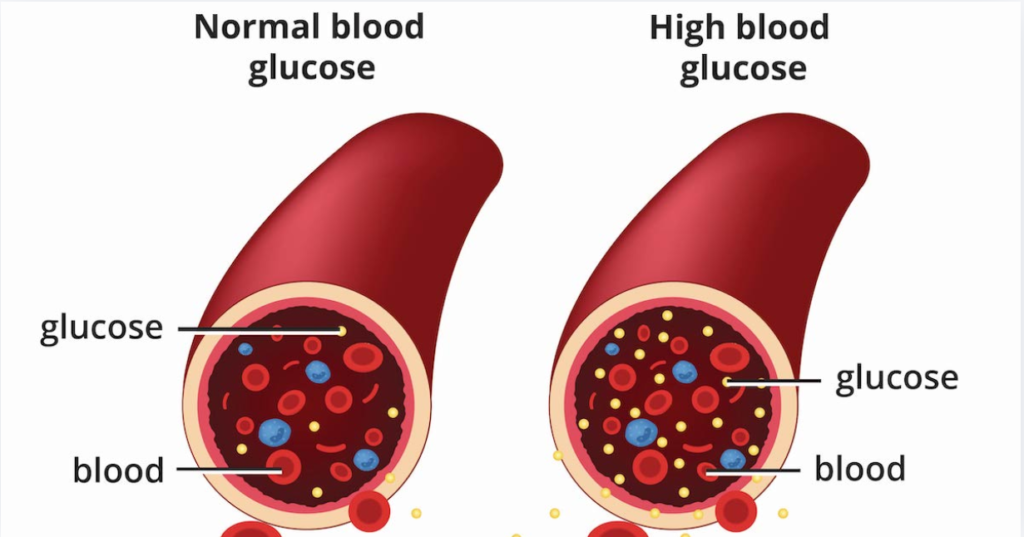
Featured Snippet: What is diabetes?
Diabetes is a chronic metabolic condition in which the body cannot properly regulate blood sugar due to problems with insulin production, insulin action, or both.
Understanding Blood Sugar and Insulin
After eating, carbohydrates are broken down into glucose.
The hormone insulin helps move glucose from the bloodstream into cells where it can be used for energy.
Related concept
Insulin
When diabetes develops
- The body produces too little insulin
- The body becomes resistant to insulin
- Or both processes occur simultaneously
Main Types of Diabetes
1. Type 1 Diabetes
An autoimmune condition in which insulin-producing cells are destroyed.
Characteristics
- Usually develops in childhood or early adulthood
- Requires insulin therapy
- Not caused by lifestyle factors
Related condition
Type 1 diabetes
2. Type 2 Diabetes
The most common form of diabetes.
Characteristics
- Often associated with insulin resistance
- More common in adults but increasingly seen in younger individuals
- Influenced by genetic and lifestyle factors
Related condition
Type 2 diabetes
3. Gestational Diabetes
Develops during pregnancy and typically resolves after delivery, though it may increase future diabetes risk.
Related condition
Gestational diabetes
Common Symptoms of Diabetes
Symptoms may develop gradually, particularly in Type 2 diabetes.
Common signs include
- Increased thirst
- Frequent urination
- Increased hunger
- Fatigue
- Blurred vision
- Slow wound healing
- Unexplained weight changes
Featured Snippet: What are early signs of diabetes?
Early signs of diabetes often include excessive thirst, frequent urination, fatigue, increased hunger, blurred vision, and slow healing of cuts or wounds.
Risk Factors for Type 2 Diabetes
Lifestyle-related factors
- Physical inactivity
- Excess body weight
- Unhealthy dietary patterns
Other risk factors
- Family history
- Increasing age
- High blood pressure
- History of gestational diabetes
Potential Complications of Diabetes
Persistently elevated blood sugar can affect multiple organs.
1. Cardiovascular Disease
Diabetes increases the risk of:
- Heart disease
- Stroke
- Circulatory problems
2. Nerve Damage
Related condition
Diabetic neuropathy
Possible symptoms
- Tingling
- Numbness
- Burning sensations
3. Kidney Damage
Long-term diabetes may affect kidney filtration function.
Related condition
Diabetic nephropathy
4. Eye Complications
Elevated blood sugar may damage retinal blood vessels.
Related condition
Diabetic retinopathy
How Diabetes Is Diagnosed
Healthcare providers may use:
Blood tests
- Fasting blood glucose
- HbA1c
- Oral glucose tolerance test
Featured Snippet: How is diabetes diagnosed?
Diabetes is commonly diagnosed using blood tests such as fasting glucose, HbA1c, and oral glucose tolerance testing.
Strategies for Blood Sugar Management
1. Balanced Nutrition
Focus on:
- Vegetables
- Whole grains
- Lean proteins
- Healthy fats
2. Regular Physical Activity
Exercise helps improve insulin sensitivity and glucose utilization.
3. Weight Management
Maintaining a healthy weight can improve blood sugar control.
4. Medication and Monitoring
Some individuals require:
- Oral medications
- Insulin therapy
- Regular glucose monitoring
Featured Snippet: Can diabetes be managed?
Yes, diabetes can often be effectively managed through healthy eating, physical activity, weight management, blood sugar monitoring, and appropriate medical treatment.
Preventing Type 2 Diabetes
Preventive strategies include:
- Maintaining a healthy weight
- Staying physically active
- Limiting excess added sugars
- Following a balanced diet
- Attending regular health screenings
Internal Linking Opportunities
This topic connects well with:
- Insulin resistance and metabolic health
- Diabetic neuropathy and foot care
- Kidney health and diabetes
- Heart disease prevention
- Nutrition and blood sugar management
Conclusion
Diabetes is a common but serious condition that affects how the body regulates blood sugar. Understanding its causes, symptoms, risk factors, and management strategies is essential for preventing complications and maintaining long-term health.
With early diagnosis, lifestyle modifications, and appropriate medical care, many people with diabetes can successfully manage their condition and lead healthy, active lives.
Important Disclaimer: This article is for educational purposes only and should not replace professional medical advice. Individuals experiencing symptoms of diabetes or concerns about blood sugar should consult a qualified healthcare professional for evaluation and guidance.