Meta Description: Learn about food poisoning, including its causes, symptoms, risk factors, treatment options, and when to seek medical attention.
Food poisoning is a common condition that occurs when food or drinks are contaminated with harmful bacteria, viruses, parasites, or toxins. Symptoms can range from mild digestive discomfort to severe illness requiring medical care.
Most cases improve within a few days, but some infections can lead to dehydration or serious complications, particularly in vulnerable individuals.
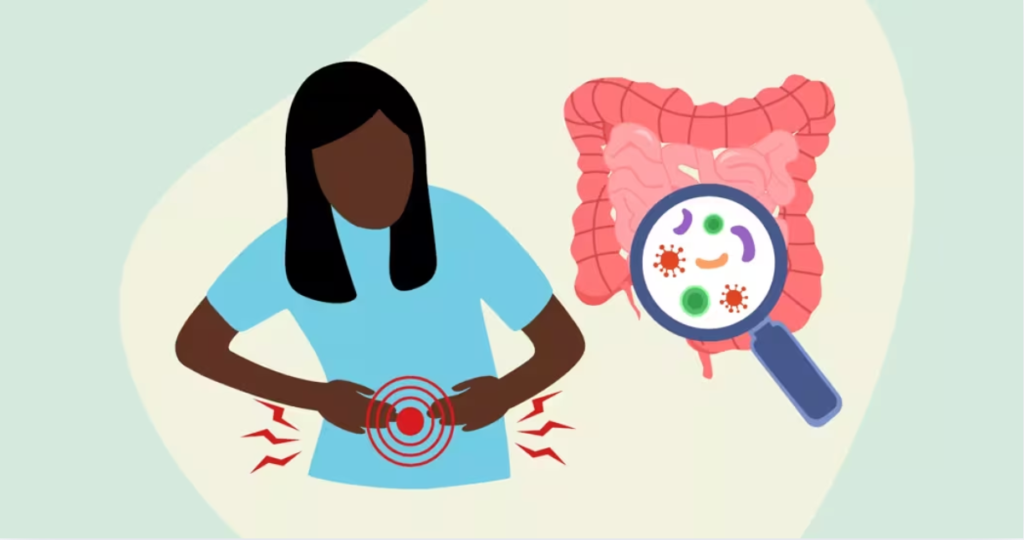
Featured Snippet: What causes food poisoning?
Food poisoning is caused by consuming food or beverages contaminated with bacteria, viruses, parasites, toxins, or harmful chemicals.
Common Causes of Food Poisoning
Food contamination can occur during production, preparation, storage, or serving.
Bacterial causes
Common bacteria include:
- Salmonella infection
- Campylobacter infection
- Escherichia coli infection
Viral causes
- Norovirus infection
- Hepatitis A
Other causes
- Parasites
- Natural toxins
- Chemical contamination
Foods Commonly Associated with Food Poisoning
Examples include:
- Undercooked meat
- Raw poultry
- Seafood
- Unpasteurized dairy products
- Raw eggs
- Unwashed fruits and vegetables
Common Symptoms
Symptoms often appear within hours to days after consuming contaminated food.
Digestive symptoms
- Nausea
- Vomiting
- Diarrhea
- Abdominal cramps
General symptoms
- Fever
- Fatigue
- Weakness
- Headache
Featured Snippet: What are the symptoms of food poisoning?
Common symptoms of food poisoning include nausea, vomiting, diarrhea, stomach cramps, fever, and fatigue.
Warning Signs of Dehydration
Fluid loss from vomiting and diarrhea can lead to dehydration.
Symptoms may include
- Dry mouth
- Excessive thirst
- Dizziness
- Dark urine
- Reduced urination
Related condition
Dehydration
Who Is at Higher Risk?
Certain groups may experience more severe illness.
Higher-risk individuals
- Young children
- Older adults
- Pregnant women
- People with weakened immune systems
How Food Poisoning Is Diagnosed
Diagnosis is often based on symptoms and recent food history.
Additional testing may include
- Stool analysis
- Blood tests
- Assessment of hydration status
Treatment and Recovery
Most cases improve with supportive care.
1. Fluid Replacement
The most important treatment is preventing dehydration.
Helpful options
- Water
- Oral rehydration solutions
- Clear broths
2. Rest
Adequate rest supports recovery.
3. Gradual Return to Eating
Once symptoms improve, bland foods may be tolerated better.
Examples
- Rice
- Bananas
- Toast
- Applesauce
Featured Snippet: How is food poisoning treated?
Food poisoning is usually treated with rest, hydration, and symptom management. Severe cases may require medical care and specific treatments depending on the cause.
When to Seek Medical Attention
Seek prompt medical evaluation if symptoms include:
- High fever
- Blood in stool
- Severe dehydration
- Persistent vomiting
- Difficulty keeping fluids down
- Symptoms lasting several days
Prevention Strategies
Practice safe food handling
- Wash hands thoroughly
- Clean food preparation surfaces
- Separate raw and cooked foods
Cook foods properly
Ensure meats and poultry reach safe internal temperatures.
Store foods safely
- Refrigerate perishable items promptly
- Avoid leaving food at room temperature for extended periods
Wash produce
Rinse fruits and vegetables before consumption.
Featured Snippet: How can food poisoning be prevented?
Food poisoning can be prevented through proper hand hygiene, safe food preparation, adequate cooking, refrigeration, and avoiding contaminated foods.
Potential Complications
Although most cases resolve completely, complications may occur, including:
- Severe dehydration
- Electrolyte imbalance
- Kidney complications
- Prolonged gastrointestinal symptoms
Internal Linking Opportunities
This topic connects well with:
- Hydration and electrolyte balance
- Digestive health
- Food safety practices
- Hepatitis A awareness
- Immune system health
Conclusion
Food poisoning is a common illness caused by contaminated food or beverages. Symptoms typically involve nausea, vomiting, diarrhea, and abdominal discomfort, though severity can vary depending on the cause and the individual’s health status.
Prompt hydration, rest, and appropriate medical care when necessary are key to recovery. Following proper food safety practices remains the most effective way to reduce the risk of foodborne illness.
Important Disclaimer: This article is for educational purposes only and should not replace professional medical advice. Severe symptoms, dehydration, or concerns about foodborne illness should be evaluated by a qualified healthcare professional.