Meta Description: Explore how gut health influences inflammation throughout the body, the role of the gut barrier and microbiome, and signs that digestive imbalance may affect overall health.
The gut is far more than a digestion center—it is a complex ecosystem that communicates with the immune system, brain, and metabolic organs. When this system is balanced, it supports health. When it is disrupted, it may contribute to system-wide inflammation, affecting multiple organs and functions.
Modern research increasingly highlights the connection between gut imbalance and chronic, low-grade inflammation linked to many long-term health conditions.
Featured Snippet: How does poor gut health cause inflammation in the body?
Poor gut health can increase inflammation when the intestinal barrier becomes more permeable and harmful compounds enter the bloodstream, activating the immune system and triggering widespread inflammatory responses.
The Gut as a Control Center
The digestive system is home to trillions of microorganisms collectively known as the gut microbiome.
Key components
- Beneficial bacteria
- Opportunistic microbes
- Intestinal lining (gut barrier)
- Immune cells in the gut
Together, they help regulate digestion, immunity, and inflammation.
When Balance Is Lost: Gut Dysbiosis
Gut microbiome plays a central role in maintaining health.
When disrupted, a state called gut dysbiosis may occur.
Causes of dysbiosis
- Poor diet (low fiber, high ultra-processed foods)
- Chronic stress
- Antibiotic overuse
- Lack of sleep
- Infections
The Gut Barrier: Your Internal Defense Wall
The intestinal lining acts as a selective barrier.
Related concept
Intestinal permeability
When this barrier becomes weakened, it may allow:
- Undigested food particles
- Toxins
- Bacterial fragments
to enter the bloodstream.
Featured Snippet: What is “leaky gut”?
“Leaky gut” is a non-medical term describing increased intestinal permeability, where the gut lining becomes more permeable than normal.
How Gut Problems Trigger System-Wide Inflammation
1. Immune system activation
When foreign particles enter the bloodstream, the immune system responds.
This can lead to:
- Chronic low-grade inflammation
- Increased immune signaling
- Tissue irritation over time
2. Inflammatory chemical release
The immune response releases signaling molecules such as cytokines.
Over time, excessive activation may contribute to systemic effects.
3. Metabolic disruption
Gut imbalance may affect how the body processes:
- Sugars
- Fats
- Hormones
Related condition
Chronic inflammation
Signs That Gut Imbalance May Be Affecting the Body
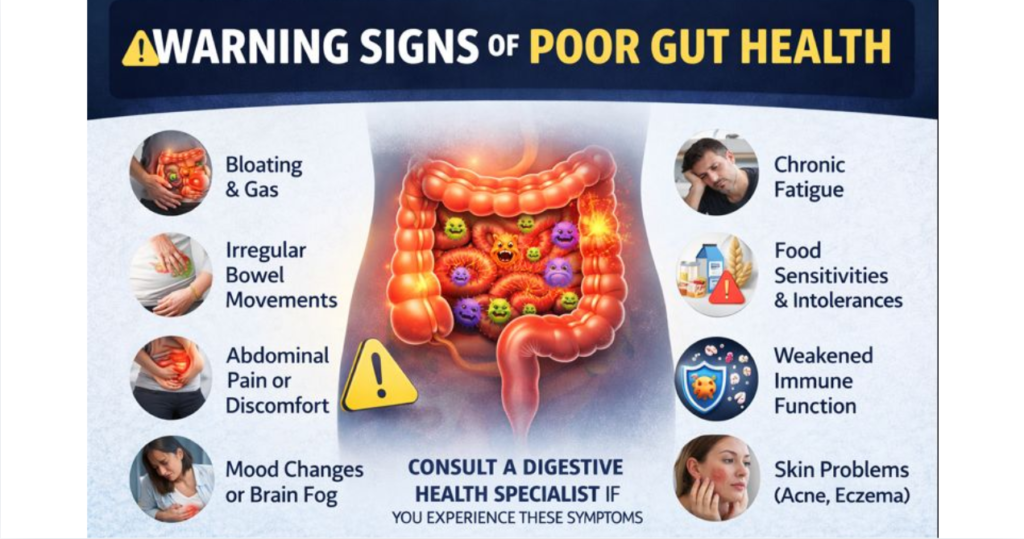
Digestive symptoms
- Bloating
- Gas
- Irregular bowel habits
- Abdominal discomfort
Systemic symptoms
- Fatigue
- Brain fog
- Skin issues (acne, eczema)
- Food sensitivities
Related concept
Brain fog
The Gut–Immune Connection
A large portion of the immune system is located in the gut.
Why it matters
- The gut trains immune responses
- It helps distinguish harmful from harmless substances
- It regulates inflammatory activity
When disrupted, immune balance may shift toward overactivation.
The Gut–Brain Axis
The gut and brain communicate through nerves, hormones, and microbial metabolites.
Possible effects of imbalance
- Mood changes
- Stress sensitivity
- Sleep disturbances
- Reduced cognitive performance
Factors That Improve Gut Balance
1. Fiber-rich diet
Fiber supports beneficial bacteria.
Sources include:
- Vegetables
- Fruits
- Whole grains
- Legumes
2. Fermented foods
These may help support microbial diversity.
Examples:
- Yogurt
- Kefir
- Sauerkraut
3. Stress management
Chronic stress can negatively affect gut function.
4. Adequate sleep
Sleep helps regulate immune and digestive processes.
5. Reducing ultra-processed foods
Highly processed diets may reduce microbial diversity.
Related Health Conditions Linked to Chronic Gut Inflammation
While not always directly caused by gut issues, inflammation is associated with:
- Irritable bowel syndrome
- Metabolic disorders
- Skin inflammatory conditions
- Certain autoimmune patterns (association still under study)
When to Seek Medical Evaluation
Consult a healthcare professional if you experience:
- Persistent digestive symptoms
- Unexplained weight loss
- Blood in stool
- Severe fatigue
- Ongoing abdominal pain
Common Misconceptions
Myth: All inflammation is harmful
Acute inflammation is a normal immune response and part of healing.
Myth: Gut problems only affect digestion
Gut imbalance may influence multiple systems, including immune and metabolic health.
Myth: A single “detox” can fix gut health
Gut balance depends on long-term lifestyle patterns, not quick fixes.
Internal Linking Opportunities
This topic connects well with:
- Digestion and nutrient absorption
- Immune system regulation
- Skin–gut axis and dermatology
- Stress and hormonal balance
- Chronic inflammatory conditions
Conclusion
The gut plays a central role in regulating inflammation throughout the body. When the microbiome and intestinal barrier are disrupted, immune activation and systemic inflammatory signals may increase, potentially affecting energy, cognition, skin, and overall well-being.
Supporting gut health through balanced nutrition, stress management, and healthy lifestyle habits can help maintain both digestive and systemic balance.
Important Disclaimer: This article is for educational purposes only and should not replace professional medical advice. Persistent gastrointestinal or systemic symptoms should be evaluated by a qualified healthcare professional.