Meta Description: Learn how morning symptoms like stiffness, fatigue, brain fog, and pain may reflect underlying inflammation, and what lifestyle factors can contribute to it.
Waking up should ideally leave you feeling refreshed. But for many people, mornings come with stiffness, fatigue, headaches, or a general sense of “not feeling right.” While occasional discomfort is normal, persistent morning symptoms may reflect low-grade systemic inflammation affecting the body’s recovery processes.
Inflammation is not always harmful—it’s part of the immune response. However, when it becomes chronic, it may interfere with sleep quality, tissue repair, and energy regulation.
Featured Snippet: What does it mean if you wake up feeling inflamed?
Waking up with stiffness, fatigue, or brain fog may be associated with chronic low-grade inflammation, poor sleep quality, stress, diet, or underlying health conditions that affect recovery during sleep.
Why Mornings Matter for Inflammation
During sleep, the body normally:
- Repairs tissues
- Regulates hormones
- Reduces inflammatory activity
- Restores energy balance
When this process is disrupted, inflammatory signals may persist into the morning.
Common Morning Signs of Possible Inflammation
1. Joint stiffness and body aches
Feeling stiff after waking is one of the most common complaints.
Related condition
Chronic inflammation
Possible reasons
- Immobility during sleep
- Inflammatory joint conditions
- Poor sleep posture
- Underlying systemic inflammation
2. Morning fatigue
Waking up tired despite adequate sleep may indicate disrupted recovery.
Possible contributors
- Poor sleep quality
- Hormonal imbalance
- Chronic stress
- Inflammatory signaling affecting energy metabolism
3. Brain fog on waking
Related concept
Brain fog
Symptoms include
- Difficulty concentrating
- Slow thinking
- Mental heaviness
4. Puffy face or fluid retention
Inflammation can sometimes influence fluid balance.
Possible causes
- High salt intake
- Poor lymphatic drainage
- Sleep position
- Metabolic imbalance
Related condition
Edema
5. Headaches in the morning
Morning headaches may be linked to several factors.
Possible triggers
- Poor sleep quality
- Dehydration
- Stress or teeth grinding
- Inflammatory processes
What Causes Chronic Low-Grade Inflammation?
1. Diet
A diet high in:
- Ultra-processed foods
- Added sugars
- Trans fats
may promote inflammatory activity.
2. Poor sleep
Sleep deprivation can increase inflammatory markers in the body.
3. Stress
Chronic stress activates hormonal pathways that can sustain inflammation.
4. Sedentary lifestyle
Lack of movement may reduce circulation and metabolic efficiency.
5. Gut imbalance
The gut plays a key role in immune regulation.
Related concept
Gut microbiome
Conditions Linked With Chronic Inflammation
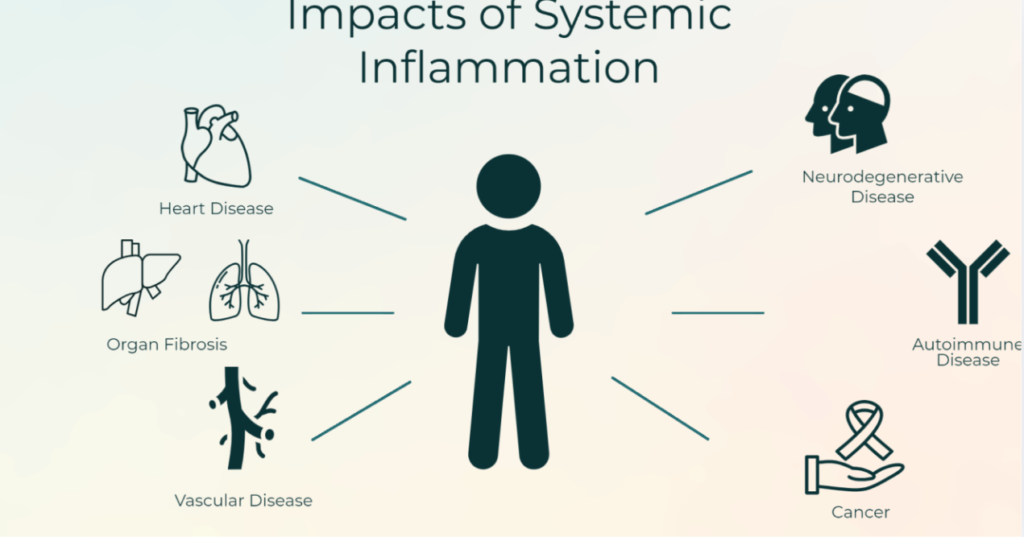
Inflammation is associated with many health conditions, including:
- Metabolic disorders
- Cardiovascular disease risk
- Autoimmune patterns (complex and multifactorial)
- Digestive dysfunction
Related condition
Metabolic syndrome
How Lifestyle Affects Morning Inflammation
Sleep quality
Poor sleep may prevent proper recovery processes overnight.
Hydration
Dehydration can worsen fatigue and headaches.
Movement
Regular activity supports circulation and reduces stiffness.
Stress regulation
Relaxation practices may reduce inflammatory signaling.
Evidence-Based Habits That May Help
1. Anti-inflammatory diet pattern
Focus on:
- Fruits and vegetables
- Omega-3-rich foods
- Whole grains
- Healthy fats
2. Regular physical activity
Even light daily movement can support recovery.
3. Consistent sleep schedule
Stabilizing sleep patterns helps regulate immune function.
4. Hydration habits
Adequate fluid intake supports metabolic and joint function.
5. Stress reduction techniques
Examples include:
- Breathing exercises
- Mindfulness
- Gentle stretching
When to Be Concerned
Seek medical evaluation if morning symptoms are:
- Persistent or worsening
- Associated with swelling or redness
- Accompanied by unexplained weight loss
- Linked with fever or severe fatigue
Common Misconceptions
Myth: Morning stiffness always means disease
Mild stiffness can be normal, especially with aging or inactivity.
Myth: Inflammation is always dangerous
Acute inflammation is a normal protective response.
Myth: Detox cures inflammation
Long-term lifestyle patterns, not quick fixes, influence inflammatory balance.
Internal Linking Opportunities
This topic connects well with:
- Gut health and systemic inflammation
- Sleep and recovery
- Joint health and mobility
- Brain fog and cognitive function
- Metabolic health and lifestyle disease
Conclusion
Waking up with fatigue, stiffness, or mental fog may sometimes reflect underlying low-grade inflammation influenced by sleep quality, diet, stress, and lifestyle habits. While not always a sign of disease, persistent symptoms should not be ignored.
Supporting the body through balanced nutrition, good sleep, hydration, movement, and stress management can help promote healthier recovery and reduce morning discomfort over time.
Important Disclaimer: This article is for educational purposes only and should not replace professional medical advice. Persistent or concerning symptoms should be evaluated by a qualified healthcare professional.