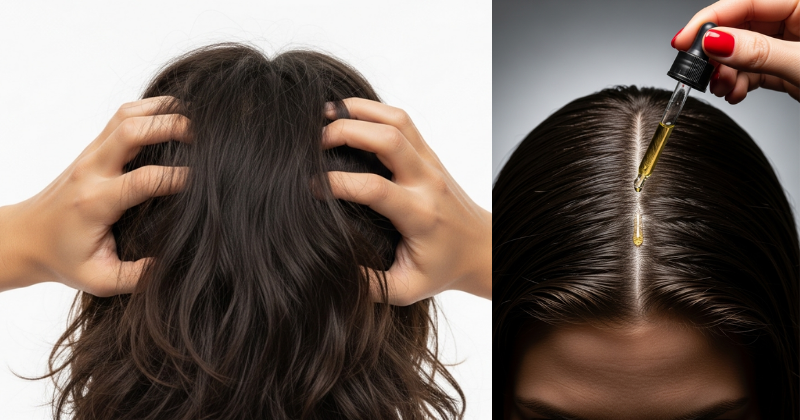
Discover science-backed strategies to restore optimal hydration to your scalp, addressing dryness, flakiness, and discomfort through targeted moisturization techniques rooted in dermatological research and practical application.
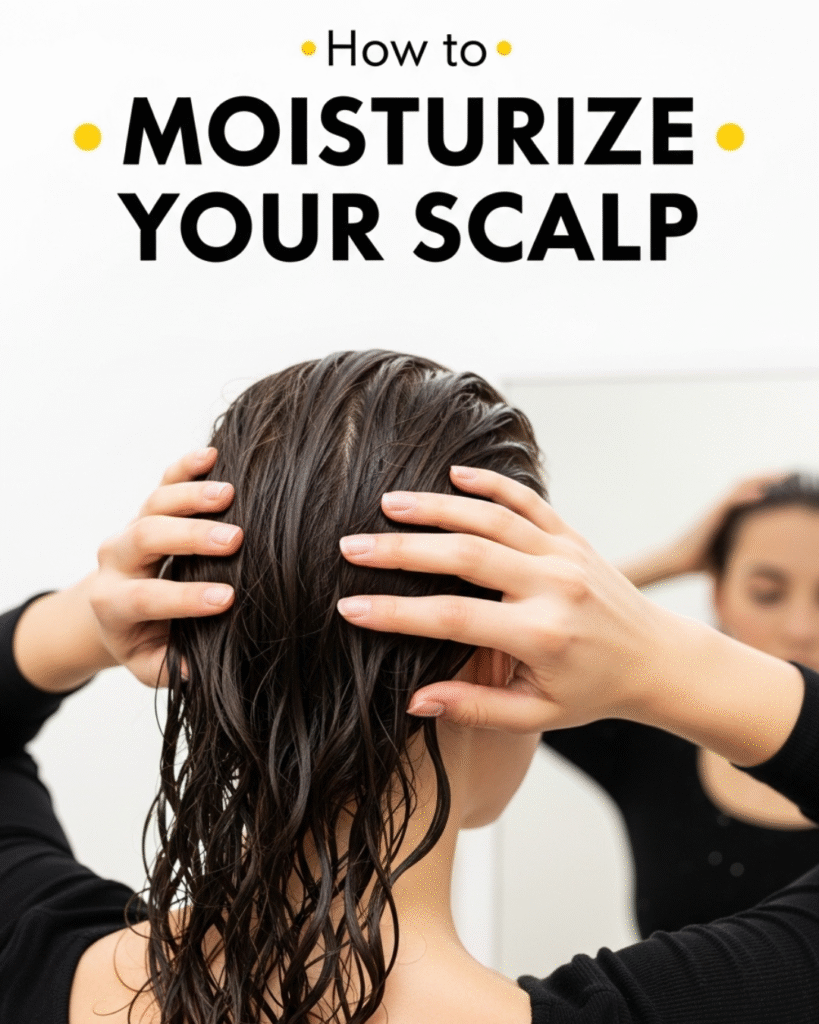
Understanding Scalp Hydration: The Foundation of Healthy Hair Ecosystems
The scalp represents a unique physiological environment—a specialized extension of facial skin yet subject to distinct microenvironmental conditions. Unlike other cutaneous surfaces, the scalp hosts approximately 100,000 hair follicles in constant cycles of growth, rest, and renewal. This metabolic activity demands consistent moisture regulation, a delicate balance frequently disrupted by environmental stressors, product accumulation, and intrinsic sebum dysregulation.
Scalp dryness manifests through multiple indicators: persistent itching, visible flaking, sensation of tightness, and compromised hair quality emerging from follicles stressed by inadequate hydration. The stratum corneum—the outermost layer of scalp epidermis—functions as a protective barrier, retaining moisture through intercellular lipids and natural moisturizing factors. When this barrier becomes compromised, transepidermal water loss accelerates, initiating the cascade of symptoms associated with scalp dehydration.
Understanding the distinction between dryness and dehydration proves essential. Dry scalp lacks adequate sebum production from sebaceous glands, while dehydrated scalp suffers from insufficient water content regardless of oil levels. Many individuals experience both conditions simultaneously, requiring comprehensive moisturization strategies that address lipid replenishment and water retention. The good news: targeted interventions can restore scalp homeostasis, creating optimal conditions for both comfort and hair vitality.
The Science Behind Scalp Moisture Dynamics
Sebaceous Gland Function and Natural Moisturization
Sebaceous glands distributed across the scalp produce sebum—a complex mixture of triglycerides, wax esters, squalene, and cholesterol. This natural emollient coats hair shafts and skin surface, creating a hydrophobic barrier that prevents excessive moisture evaporation. Individual sebum production varies dramatically based on genetics, hormonal status, age, and environmental factors.
Research indicates that scalp sebum production peaks during adolescence and early adulthood, then gradually declines with age. This physiological shift explains why mature individuals frequently experience increased scalp dryness. Additionally, certain medical conditions, nutritional deficiencies (particularly essential fatty acids and vitamin E), and hormonal fluctuations can suppress sebaceous activity, necessitating external moisturization support.
The Microbiome Connection
Recent dermatological research has illuminated the critical role of scalp microbiome in maintaining moisture balance. The scalp hosts diverse microbial communities, predominantly Propionibacterium, Staphylococcus, and Malassezia species. These microorganisms interact with sebum, dead skin cells, and environmental factors, influencing scalp health profoundly.
Dysbiosis—microbial imbalance—can trigger inflammatory responses, alter pH levels, and compromise barrier function, all contributing to moisture loss. Effective scalp moisturization therefore extends beyond simple hydration, encompassing strategies that support beneficial microbial populations while maintaining appropriate pH (typically 4.5-5.5 for optimal scalp health).
Evidence-Based Moisturization Techniques
Direct Scalp Application Methods
The most effective scalp moisturization begins with targeted application of appropriate formulations directly to the epidermis, bypassing hair shafts. This approach ensures active ingredients reach their intended destination rather than dispersing along hair length.
Sectioning and Application Protocol: Begin with clean, slightly damp scalp—moisture facilitates ingredient penetration. Divide hair into sections approximately two centimeters apart using a rat-tail comb or your fingers. Apply moisturizing treatment directly to exposed scalp using fingertips, applicator bottle, or cotton pad. Employ gentle circular massage motions to stimulate microcirculation and enhance absorption. This methodical sectioning ensures comprehensive coverage, particularly important for dense hair that might otherwise shield scalp from treatment.
Optimal Application Timing: Evening application proves most effective, allowing extended contact time during sleep when cellular repair mechanisms activate. The scalp undergoes significant regenerative processes during nocturnal hours, with increased permeability that enhances ingredient absorption. Morning applications work for lightweight serums or leave-in treatments that won’t compromise hairstyling.
Occlusive Therapy for Intensive Hydration
For severely dehydrated scalps, occlusive therapy—borrowed from dermatological treatment protocols—provides intensive moisture restoration. This technique involves applying humectant-rich treatment followed by an occlusive layer that prevents transepidermal water loss.
Apply water-based moisturizer containing hyaluronic acid, glycerin, or aloe vera extract to sectioned scalp. Follow immediately with thin layer of occlusive agent such as jojoba oil, argan oil, or petroleum-based product. Cover with shower cap or silk scarf and leave overnight. The occlusive barrier traps moisture against scalp surface, creating a microenvironment that maximizes hydration. Perform this treatment once or twice weekly for persistent dryness, scaling back as condition improves.
Strategic Ingredient Selection for Scalp Hydration
Humectants: Water-Binding Powerhouses
Humectants attract and retain water molecules from surrounding environment and deeper dermal layers. These ingredients form the foundation of effective scalp moisturization:
Hyaluronic acid holds up to 1,000 times its weight in water, creating a moisture reservoir at the scalp surface. Low molecular weight formulations penetrate more effectively into scalp tissue. Glycerin draws moisture from atmosphere and dermis, though in very arid climates may paradoxically draw water from skin if environmental humidity falls below 60%. Panthenol (Provitamin B5) not only attracts moisture but also penetrates hair shafts, improving both scalp and hair hydration simultaneously.
Aloe vera provides humectant properties alongside anti-inflammatory compounds that soothe irritated, dry scalp. Research demonstrates aloe polysaccharides enhance water retention while supporting scalp microbiome balance.
Emollients and Occlusives: Barrier Protection
While humectants attract water, emollients and occlusives prevent its loss. Natural oils prove particularly effective for scalp application due to their compatibility with skin lipids and ability to integrate into the barrier structure.
Jojoba oil closely mimics human sebum composition, making it ideal for individuals with underactive sebaceous glands. It absorbs readily without leaving heavy residue. Argan oil delivers high concentrations of vitamin E and essential fatty acids that repair compromised barrier function. Squalane (derived from olives or sugarcane) provides lightweight occlusion suitable even for those with finer hair textures.
For maximum dryness, incorporate heavier occlusives like shea butter or coconut oil. These create more substantial barriers but require thorough cleansing to prevent buildup that could paradoxically trigger scalp issues.
Ceramides and Cholesterol: Barrier Restoration
Advanced scalp treatments increasingly incorporate ceramides and cholesterol—lipids naturally present in intercellular spaces that cement skin barrier integrity. Topical application of these components, particularly in ratios mimicking natural skin composition, can dramatically accelerate barrier repair in chronically dry scalps.
Look for products containing ceramide complexes (ceramides 1, 3, and 6-II) combined with cholesterol and free fatty acids in approximately 3:1:1 ratio—the optimal proportion for barrier restoration established through dermatological research.
Lifestyle Modifications Supporting Scalp Hydration
Washing Frequency and Technique Optimization
Conventional wisdom often oversimplifies hair washing recommendations. Optimal frequency depends on individual sebum production, hair texture, styling product use, and environmental exposure. For dry scalps, the goal involves removing buildup and stimulating circulation without stripping natural oils.
Many individuals benefit from reducing washing frequency to 2-3 times weekly, allowing natural sebum distribution along hair shafts. When cleansing, focus shampoo application on scalp surface using fingertip massage rather than harsh scrubbing. Select sulfate-free formulations that clean effectively without disrupting lipid barriers—harsh detergents can require 24-48 hours for sebaceous glands to restore protective coating.
Water temperature matters significantly. Hot water disrupts scalp lipid structure and accelerates moisture evaporation, while lukewarm water preserves barrier integrity. Conclude washing with cool water rinse to close cuticles and stimulate circulation.
Environmental Protection Strategies
External factors dramatically influence scalp moisture status. Indoor heating during winter and air conditioning in summer both reduce ambient humidity, accelerating transepidermal water loss. Cold weather combined with wind exposure creates particularly harsh conditions. UV radiation, though less discussed for scalp than facial skin, damages cellular structures and compromises moisture retention, especially for those with thinning hair or exposed scalp.
Protective measures include wearing breathable hats in extreme weather, using humidifiers in climate-controlled environments (targeting 40-50% relative humidity), and applying UV-protective scalp serums or wearing protective hairstyles during prolonged sun exposure. These strategies create external conditions conducive to moisture maintenance.
Nutritional Foundations for Internal Hydration
Scalp moisture status reflects overall hydration and nutritional sufficiency. Adequate water intake—though individual requirements vary—supports dermal hydration from within. The traditional recommendation of eight glasses daily provides a reasonable baseline, though needs increase with physical activity, climate, and body size.
Essential fatty acids, particularly omega-3 and omega-6 in balanced ratios, provide building blocks for lipid barrier construction. Sources include fatty fish, flaxseeds, walnuts, and quality supplements. Vitamin E functions as antioxidant protecting scalp lipids from oxidative damage, while B vitamins (particularly biotin and niacin) support cellular metabolism essential for healthy sebaceous function. Zinc deficiency correlates with various scalp conditions including dryness; adequate intake through diet or supplementation supports optimal scalp health.
Troubleshooting Persistent Scalp Dryness
Differentiating Dryness from Dermatological Conditions
Persistent scalp issues despite consistent moisturization may indicate underlying conditions requiring professional evaluation. Seborrheic dermatitis presents with yellowish, oily flakes rather than white, dry ones, and involves fungal overgrowth requiring antifungal treatment. Psoriasis creates thick, silvery scales with distinct borders, representing an autoimmune condition. Contact dermatitis results from allergic reactions to hair products, presenting with redness, itching, and sometimes weeping lesions.
If moisturization efforts provide no improvement after 4-6 weeks, or if symptoms worsen, dermatological consultation becomes essential. Professional evaluation can identify conditions masquerading as simple dryness and implement appropriate medical interventions.
Product Buildup Paradox
Ironically, excessive product application intended to moisturize can create buildup that prevents subsequent treatments from reaching scalp surface. This accumulation of silicones, oils, and styling products forms an impermeable layer, trapping dead skin cells and disrupting scalp respiration.
Address buildup through periodic clarifying treatments using gentle chelating shampoos or apple cider vinegar rinses (diluted 1:4 with water). These remove accumulation without overly stripping, resetting the scalp for effective moisturization. Following clarification, reduce product quantity and ensure thorough but gentle cleansing going forward.
Seasonal Adjustments
Scalp moisture needs fluctuate with seasons. Winter typically demands heavier, more occlusive treatments due to dry indoor air and cold exposure. Summer may require lighter, water-based formulations that won’t feel heavy or trigger excess sweating. Humid climates allow greater reliance on humectants, while arid regions necessitate stronger occlusive barriers.
Develop seasonal scalp care protocols, adjusting product weight, application frequency, and ingredient focus as environmental conditions shift. This adaptive approach maintains optimal hydration year-round despite external variations.
Advanced Scalp Hydration Strategies
Scalp Massage and Microcirculation Enhancement
Manual scalp massage provides benefits extending beyond relaxation. Mechanical stimulation increases local blood flow, delivering oxygen and nutrients to follicles and sebaceous glands while facilitating waste removal. Enhanced circulation supports cellular metabolism underlying healthy sebum production and barrier maintenance.
Perform daily five-minute massage sessions using fingertips in firm circular motions across entire scalp. Incorporate this practice during moisturizer application to simultaneously enhance ingredient absorption and stimulate physiological processes supporting natural hydration. Some research suggests regular massage may also positively influence stress hormones that can suppress sebaceous function.
Humidity Therapy and Steam Treatments
Professional salon steam treatments can be replicated at home for intensive scalp hydration. Steam temporarily increases scalp permeability, allowing deeper penetration of moisturizing ingredients while adding direct water to tissue.
Apply moisturizing treatment to sectioned scalp, then expose to steam for 10-15 minutes using handheld steamer, warm towel wraps, or shower steam. The combination of elevated temperature, increased humidity, and occluded environment creates optimal conditions for moisture infusion. Perform weekly during acute dryness phases, monthly for maintenance.
Overnight Treatment Protocols
Maximizing contact time amplifies moisturization efficacy. Overnight treatments allow 6-8 hours for ingredient absorption and moisture equilibration. Apply generous amount of moisturizing formulation to sectioned scalp, massage thoroughly, then cover with silk or satin bonnet (preferable to cotton which absorbs moisture). Morning cleansing removes excess while leaving scalp significantly more hydrated.
For those hesitant about potential pillow staining, apply treatment several hours before bed, allowing partial absorption, then cover hair. Even this reduced contact time surpasses brief daytime application effectiveness.
Integrating Scalp Moisturization into Holistic Hair Care
Scalp health fundamentally influences hair quality, growth patterns, and overall appearance. Hair emerges from follicles embedded in scalp tissue; their metabolic environment directly impacts hair shaft characteristics. Chronic scalp dehydration can lead to brittle, lackluster hair, compromised growth cycles, and increased shedding.
View scalp moisturization not as isolated practice but as foundation of comprehensive hair care. Healthy, well-hydrated scalp creates optimal conditions for robust follicular function, resulting in stronger, more resilient hair. This integrated perspective motivates consistent attention to scalp health, yielding benefits that extend from roots to ends.
Consider scalp care analogous to facial skincare—deserving of similar attention, product quality, and consistency. Just as facial moisturization prevents premature aging and maintains appearance, scalp moisturization preserves the environment from which healthy hair emerges throughout life.
Conclusion: Restoring and Maintaining Optimal Scalp Hydration
Effective scalp moisturization combines scientific understanding of skin physiology with practical application strategies tailored to individual needs. By recognizing the multifaceted nature of scalp hydration—encompassing barrier function, sebaceous activity, microbiome balance, and environmental protection—you can develop personalized protocols yielding lasting results.
Begin with fundamental practices: appropriate cleansing frequency, direct scalp application of quality moisturizers, and protective measures against environmental stressors. Progress to advanced strategies like occlusive therapy and ingredient optimization as you identify what works for your unique scalp ecosystem. Remember that consistency proves more valuable than intensity; regular, moderate interventions outperform sporadic intensive treatments.
Your scalp deserves the same attentive care you provide other aspects of health and wellness. With patience, experimentation, and commitment to these evidence-based approaches, you can transform scalp dryness into optimal hydration, creating the foundation for lifelong hair health and comfort.
Important Disclaimer: This article is for informational purposes only and should not replace professional advice. For health-related topics, consult healthcare providers. For financial or legal matters, seek qualified professional guidance. For safety procedures, verify current best practices and local regulations. Individual results may vary, and personal circumstances should always be considered when implementing any suggestions.