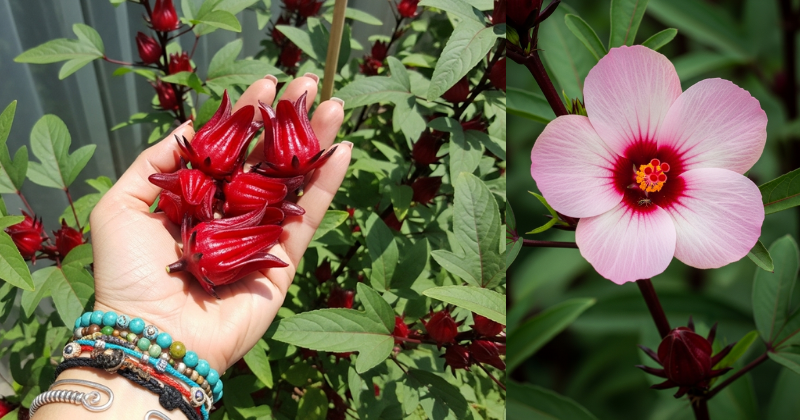
Growing Roselle hibiscus invites you into a world where crimson calyces bloom like jeweled chalices, each one holding the promise of tangy teas and culinary adventures. This remarkable plant, scientifically known as Hibiscus sabdariffa, transforms gardens into living tapestries of burgundy and green, while offering harvests that nourish both body and spirit.
Roselle hibiscus cultivation is more than planting seeds—it’s embracing a botanical companion that has traveled through centuries and across continents, carrying with it the wisdom of tropical gardens and the gift of ruby-red harvests. Whether you dream of crafting your own hibiscus tea, exploring natural dyes, or simply watching these stunning plants unfurl their daily blooms, you’re about to embark on a gardening journey that connects you to ancient agricultural traditions while bringing vibrant beauty to your growing space.
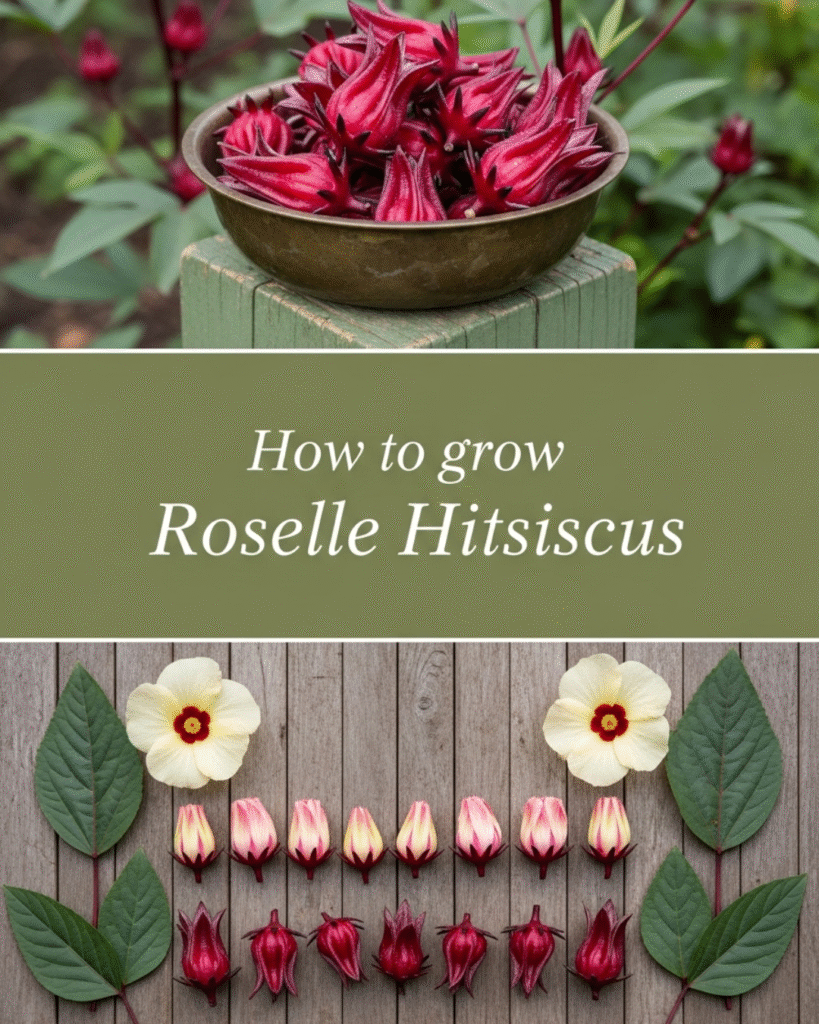
Understanding Roselle Hibiscus: The Foundation of Your Growing Journey
Before your hands touch soil or seeds, take a moment to appreciate the extraordinary nature of what you’re about to cultivate. Roselle hibiscus stands apart from its ornamental cousins—this is a plant with purpose, offering both aesthetic splendor and tangible harvest.
The Essence of Roselle
Native to West Africa but now beloved across tropical and subtropical regions worldwide, Roselle hibiscus grows as an annual or short-lived perennial depending on your climate. The plant can reach heights of five to seven feet, developing into a substantial shrub adorned with lobed leaves that often carry hints of red along their veins and stems. But the true magic emerges after flowering, when the fleshy red calyces—those thick, succulent sepals that cradle the seed pods—develop into the prized harvest.
These calyces contain the concentrated tartness and deep crimson pigments that make Roselle famous. When steeped in hot water, they release their treasures: vitamin C, antioxidants, and that distinctive tangy flavor reminiscent of cranberries kissed by tropical sunshine.
Climate Considerations and Growing Zones
Roselle hibiscus thrives in warmth and abhors frost. This is a heat-loving plant that demands long, warm growing seasons—typically 150 to 180 frost-free days from planting to harvest. Gardeners in USDA zones 8 through 11 can grow Roselle most successfully, though creative cold-climate gardeners in zones 6 and 7 can cultivate it as a tender annual by starting seeds indoors and maximizing the summer growing period.
I remember my first attempt at growing Roselle in a climate slightly cooler than ideal. The plants languished through a cool spring, barely expanding beyond their seedling stage. But once summer’s heat arrived in earnest, they transformed almost overnight—stretching skyward, darkening their stems, and beginning that miraculous journey toward bloom and harvest.
Planting Roselle Hibiscus: Sowing Seeds of Crimson Promise
The cultivation of Roselle hibiscus begins with understanding its fundamental needs and timing your planting to align with nature’s rhythms in your specific location.
Seed Selection and Preparation
Roselle seeds are relatively large, dark, and kidney-shaped—easy to handle and surprisingly vigorous once germination conditions are met. Source your seeds from reputable suppliers specializing in edible or agricultural varieties rather than ornamental hibiscus, as you want the types specifically bred for calyx production and flavor.
Before planting, some growers recommend scarifying the seeds—gently nicking the hard seed coat with a file or sandpaper—to encourage faster germination. Others prefer soaking seeds overnight in lukewarm water, allowing them to swell and soften. Both methods work beautifully; choose whichever resonates with your gardening philosophy.
Timing Your Planting
In frost-free regions, direct-sow Roselle seeds outdoors after all danger of frost has passed and soil temperatures consistently reach 65 to 70 degrees Fahrenheit. The soil’s warmth matters more than calendar dates—cold soil causes seeds to rot rather than germinate.
For shorter growing seasons, start seeds indoors six to eight weeks before your last expected frost date. Use biodegradable pots that can be planted directly into the garden, as Roselle dislikes root disturbance. Maintain soil temperatures between 70 and 80 degrees for optimal germination, which typically occurs within seven to fourteen days under ideal conditions.
Soil Preparation and Planting Depth
Roselle appreciates well-draining soil enriched with organic matter. Before planting, work compost into your garden bed, creating a loose, friable growing medium that allows roots to establish quickly. The plant tolerates various soil types but performs magnificently in slightly acidic to neutral soils with pH levels between 6.0 and 6.8.
Plant seeds approximately one-quarter to one-half inch deep, spacing them 18 to 24 inches apart in rows separated by three to four feet. This generous spacing accommodates the plants’ mature size while ensuring adequate air circulation—crucial for preventing fungal issues in humid climates.
I’ve learned to resist the temptation to crowd Roselle plants. In my early gardening enthusiasm, I planted them too closely, creating a beautiful but problematic thicket where air couldn’t flow freely and harvest became an acrobatic challenge. Now I honor their need for space, and the plants reward this respect with vigorous health and abundant production.
Nurturing Your Roselle: Daily Rhythms and Seasonal Care
Once your Roselle seedlings emerge—first as delicate cotyledons, then unfurling their first true leaves—the real relationship begins. This is where observation, intuition, and practical care converge.
Watering Wisdom
Roselle hibiscus demonstrates remarkable drought tolerance once established, but young plants need consistent moisture to develop strong root systems. Water deeply but infrequently, encouraging roots to grow downward in search of moisture rather than remaining shallow and dependent on frequent irrigation.
During the active growing season, provide approximately one inch of water weekly, adjusting based on rainfall and temperature. The key is maintaining even soil moisture without waterlogging—Roselle tolerates dry conditions far better than soggy roots.
Fertilization Philosophy
Feed your Roselle hibiscus monthly during the growing season with a balanced organic fertilizer or compost tea. Avoid excessive nitrogen, which encourages lush foliage at the expense of flower and calyx production. Instead, aim for a balanced approach that supports overall plant health while promoting the reproductive growth that yields your harvest.
I’ve discovered that Roselle responds beautifully to gentle, consistent feeding rather than heavy applications. Think of fertilization as nourishment rather than stimulation—supporting the plant’s natural processes rather than forcing accelerated growth.
Sunlight Requirements
Full sun is non-negotiable for Roselle hibiscus. These plants evolved in tropical climates where sunlight pours down generously, and they require at least six to eight hours of direct sun daily to thrive and produce abundantly. In extremely hot climates, some afternoon shade can prevent stress, but generally, more sun equals more vigorous growth and better harvests.
Advanced Growing Strategies: Maximizing Your Roselle Experience
As you gain experience with Roselle hibiscus, certain refinements can elevate your cultivation from successful to extraordinary.
Pinching and Pruning for Bushier Growth
When plants reach about 12 to 18 inches tall, consider pinching back the growing tips to encourage branching. This creates bushier, more productive plants with multiple flowering sites rather than single-stemmed specimens. The pinched-off tips can be composted or even eaten—young Roselle leaves are edible and nutritious, though they become fibrous as they mature.
Companion Planting Considerations
Roselle hibiscus pairs beautifully with other heat-loving crops like tomatoes, peppers, and eggplants, creating visually stunning polyculture gardens. The plants’ substantial size can provide light shade for heat-sensitive greens during summer’s peak, extending your harvest season for crops like lettuce and arugula.
However, avoid planting Roselle too close to sprawling cucurbits like squash and melons, as competition for space and nutrients can reduce productivity for both crops.
Container Growing for Limited Spaces
Gardeners without ground space can successfully grow Roselle hibiscus in large containers—at least 15 to 20 gallons—placed in the sunniest location available. Container-grown plants require more frequent watering and feeding but can thrive beautifully with attentive care. This approach also allows cold-climate gardeners to move plants indoors before frost, potentially extending the growing season or overwintering in bright, protected locations.
Troubleshooting Common Challenges: Wisdom Through Experience
Every plant presents its challenges, and Roselle hibiscus is no exception. Understanding potential issues before they arise empowers you to address them swiftly and effectively.
Pest Management
Aphids, whiteflies, and Japanese beetles occasionally target Roselle hibiscus, attracted to its lush growth. Regular inspection catches infestations early, when they’re easiest to manage. Strong water sprays dislodge many pests, while insecticidal soap or neem oil applications control more persistent problems without harsh chemicals.
I’ve found that healthy, well-spaced plants experience fewer pest issues than stressed or crowded specimens. Creating optimal growing conditions serves as the first line of defense against most garden pests.
Disease Prevention
Fungal diseases like leaf spot and root rot can affect Roselle, particularly in humid climates with poor air circulation. Prevention centers on proper spacing, avoiding overhead watering, and ensuring excellent drainage. Remove any affected leaves promptly to prevent disease spread, and consider applying organic fungicides if problems persist.
Slow Growth or Poor Flowering
If your Roselle plants grow slowly or fail to flower, evaluate environmental conditions. Insufficient sunlight, cool temperatures, or excessive nitrogen fertilization commonly cause these issues. Patience also matters—Roselle typically doesn’t begin flowering until late summer or early autumn, responding to shorter day lengths as the growing season matures.
Harvesting and Using Your Roselle: The Culmination of Care
The moment you’ve nurtured your plants toward arrives in late summer through autumn, when flowers fade and calyces swell into their characteristic fleshy, burgundy cups.
Knowing When to Harvest
Harvest Roselle calyces approximately three weeks after flowers fade, when they’ve fully expanded and deepened to rich crimson. The calyces should feel firm and thick, easily separating from the plant when twisted gently. Inside each calyx, you’ll find a seed pod—remove and save these seeds for next year’s planting while processing the calyces for use.
Preserving Your Harvest
Fresh calyces can be used immediately for tea, jams, or sauces. For longer storage, dry them thoroughly in a food dehydrator or warm, well-ventilated location until crisp. Dried calyces store for months in airtight containers, ready to steep into teas or rehydrate for cooking.
The flavor of homegrown Roselle surpasses anything purchased—tart and bright, with complex notes that vary subtly based on growing conditions and harvest timing. This taste embodies your entire growing season, from seed to harvest, transformed into sensory experience.
Culinary and Wellness Applications
Beyond the famous hibiscus tea, Roselle calyces shine in numerous applications. Simmer them into vibrant syrups for cocktails and desserts, incorporate them into fruit preserves, or use their natural pectin to set jams. The concentrated vitamin C and antioxidants make Roselle preparations both delicious and nutritious—traditional herbal medicine in many cultures for supporting immune health and promoting wellness.
Embracing the Roselle Journey: Growth Beyond the Garden
Growing Roselle hibiscus offers rewards that transcend the tangible harvest. This plant teaches patience, as it requires the full arc of the growing season to reach its potential. It demonstrates resilience, thriving in heat that wilts lesser plants. And it connects you to global agricultural heritage, as countless cultures across continents have cultivated and cherished this remarkable plant.
Your Roselle garden awaits—a space where crimson calyces will eventually hang like natural ornaments, where each harvest becomes a ritual of gratitude for the season’s warmth and your patient tending. Begin with seeds, soil, and sunshine. Trust the process. Observe daily transformations. And prepare to discover why generations of gardeners have fallen under Roselle hibiscus’s spell.
The journey from seed to harvest cup of tangy, ruby-red tea represents one of gardening’s most satisfying circles—effort transformed into beauty, beauty yielding nourishment, and nourishment inspiring the next season’s cultivation. Your hands hold the beginning of this cycle. All that remains is planting, tending, and welcoming the magic that unfolds when human care meets botanical potential.