
If you’ve ever wished you could harvest buckets of fresh, homegrown potatoes but felt limited by a small yard, balcony, or patio, you’re about to discover just how possible—and rewarding—it can be. Learning how to grow a lot of potatoes in a small space is one of the easiest ways to maximize your garden’s productivity without needing acres of land.
(Meta description: Learn how to grow a lot of potatoes in a small space using vertical methods, containers, and smart planting techniques for big harvests.)
With the right methods, you can transform even the tiniest corner of outdoor space into a thriving potato patch. Whether you’re growing in containers, bags, buckets, or vertical towers, this guide will walk you step-by-step through everything you need to do to succeed—no experience required. Get ready to grow more food, connect with nature, and enjoy the satisfaction of harvesting your own potatoes right at home.
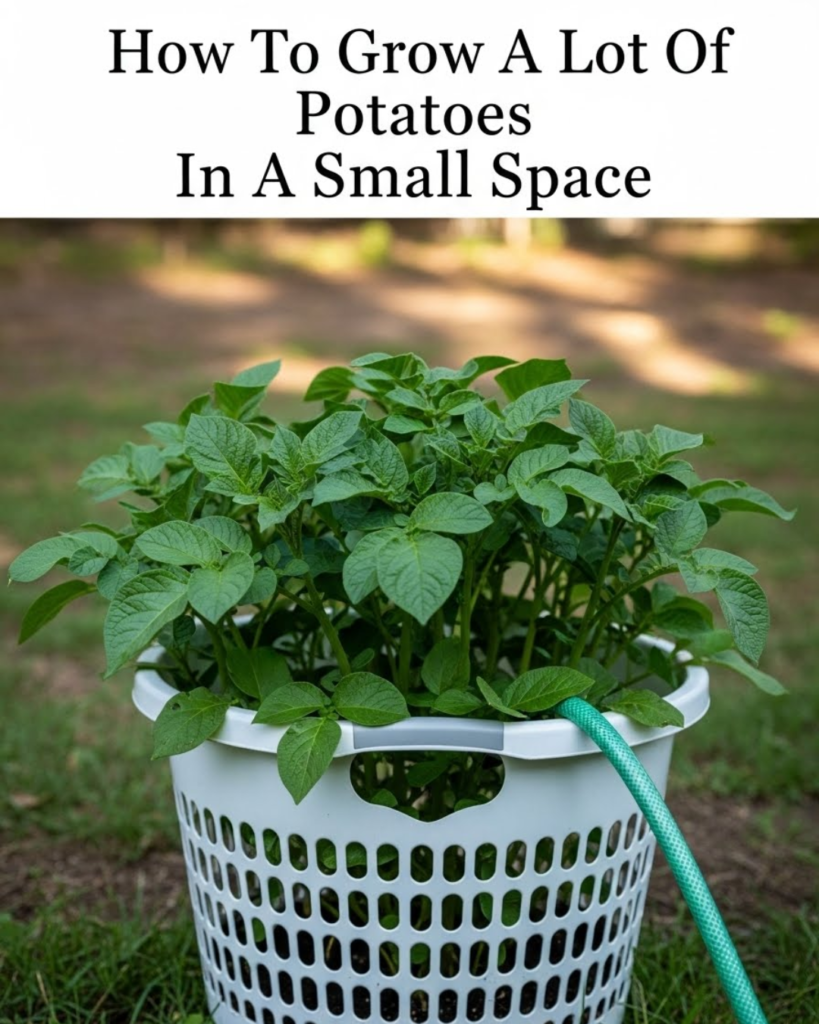
Understanding the Basics: How Potatoes Grow in Small Spaces
Before you dive into planting, it helps to understand how potatoes grow. Potatoes don’t grow from seeds like most vegetables—they grow from seed potatoes, which produce stems that send out underground stolons (side shoots). These stolons swell into the potatoes you harvest.
This means you can grow more potatoes by encouraging your plant to grow up instead of out, making potatoes ideal for compact gardening.
Why Potatoes Are Perfect for Small Spaces
- They grow vertically, not horizontally.
- They thrive in containers and fabric grow bags.
- They require minimal maintenance.
- You can harvest a surprising amount from just a few seed potatoes.
Choosing the Right Potato Variety
Some varieties naturally produce more in tight spaces:
- Yukon Gold (early, productive, buttery flavor)
- Red Norland (great for buckets or bags)
- Russet Burbank (larger, later-season harvests)
Early varieties produce faster; late varieties produce more but take longer.
Selecting the Best Growing Method
Below are the most space-efficient ways to grow potatoes:
- Containers
- Potato grow bags
- Buckets
- Vertical potato towers
- Raised bed corners
Each method lets you control soil quality and maximize vertical space.
Step-by-Step: How to Grow Potatoes in Containers and Small Spaces
This is the heart of the method—your simple, beginner-friendly process for planting potatoes in small areas. Follow these steps and you’ll unlock the potential of vertical potato growing.
Step 1: Prepare Your Container
Pick a container that’s at least 10–15 gallons with good drainage.
Great options include:
- 5-gallon buckets
- 10+ gallon fabric grow bags
- Large plastic planters
- Wooden crates
- Vertical potato towers
Drill extra drainage holes if needed.
Step 2: Add Soil and Plant Seed Potatoes
Fill the bottom 4–6 inches with a loose soil mixture:
- 50% compost
- 40% potting soil
- 10% sand or perlite
Cut large seed potatoes into chunks with 2–3 eyes. Let them dry 24 hours to avoid rot.
Place them on the soil surface and lightly cover with 2–3 inches of soil.
Step 3: “Hill” Your Potatoes as They Grow
This step is essential for maximizing your harvest.
When shoots grow about 6 inches tall, cover them halfway with soil or straw.
Repeat every 1–2 weeks until you reach the top of your container.
This process encourages more stolons—and therefore more potatoes—to form.
Step 4: Water and Sun Requirements
Potatoes need:
- At least 6 hours of sun daily
- Consistent moisture (never soggy)
- Weekly deep watering in warm climates
Containers dry out faster, so monitor frequently.
Step 5: Harvest at the Right Time
You’ll know it’s time to harvest when the foliage turns yellow and dies back.
For early new potatoes, harvest after flowering.
Simply dump the container or carefully dig through the soil to collect your crop.
Advanced Techniques to Grow Even More Potatoes in Small Spaces
Once you understand the basics, you can layer on these expert techniques to increase your yield even further.
Use Vertical Potato Towers
Potato towers save space by allowing layers of soil and potatoes stacked upward.
They work especially well in urban gardens or tight patios.
Try the “Straw Only” Method
Some gardeners grow potatoes almost entirely in straw instead of soil.
Benefits include:
- Easier harvesting
- Very light containers
- Cleaner potatoes
Companion Planting for Healthier Growth
Great companions for potatoes include:
- Beans (fix nitrogen)
- Basil (repels pests)
- Marigolds (discourage beetles)
Avoid planting near tomatoes or peppers—they share diseases.
Troubleshooting: Common Problems and How to Solve Them
Growing in small spaces is easy, but issues can still happen. Here’s how to fix them quickly.
Problem: Plants are tall and weak
Likely cause: Not enough sunlight.
Solution: Move container to a brighter location.
Problem: Potatoes turning green
Exposure to sunlight makes potatoes toxic.
Solution: Add more soil, straw, or mulch to cover exposed tubers.
Problem: Leaves have holes or damage
Pests like flea beetles or Colorado potato beetles may be present.
Solution:
- Use neem oil
- Hand-pick beetles
- Add row covers early in the season
Problem: Rotting seed potatoes
Usually caused by overwatering or poorly drained soil.
Solution:
- Improve drainage
- Water less frequently
- Add coarse material to soil mix
Taking Your Potato Garden to the Next Level
Once you’ve harvested your first successful batch, you’ll likely want to continue growing year-round or increase your yield even further. Here’s how to build on your success.
Grow Successive Plantings
Plant new containers every 3–4 weeks for a continuous supply.
Save Your Best Potatoes for Next Season
Cure potatoes by letting them dry for 5–7 days before storing.
Keep in a cool, dark, airy place.
Expand Your Small-Space Garden
Now that you know how to grow potatoes vertically, try other small-space crops like:
- Container tomatoes
- Balcony cucumbers
- Bucket carrots
- Tower strawberries
- Lettuce bowls
(These topics also create great internal linking opportunities.)
Improve Soil with Every Planting
Compost boosts fertility and yields.
Container soil can be reused if refreshed with organic matter.
Conclusion: You Can Grow a Big Potato Harvest in a Tiny Space
Learning how to grow a lot of potatoes in a small space is one of the most empowering gardening skills you can gain. You discovered how potatoes naturally grow upward, how to use containers or vertical towers, and how simple steps like hilling, watering, and sun exposure make all the difference. Even with only a balcony, small yard, or patio, you can enjoy fresh, homegrown potatoes and experience the joy of nurturing your own food.
Now it’s your turn to plant, experiment, and transform your small space into a thriving potato garden. Your harvest is waiting—grab your containers, choose your seed potatoes, and start growing today.