
Meta description (first 150–160 characters):
Discover the best herbs for wellness teas to support digestion, relaxation, immunity, and daily balance with simple, nourishing herbal blends.
Introduction
If you’re looking for a gentle, natural way to support your health, wellness teas made from herbs are one of the simplest places to start. Across cultures and generations, people have turned to herbal teas to calm the mind, aid digestion, strengthen immunity, and create daily moments of care. Today, science continues to explore what traditional wisdom has long known: many herbs contain powerful compounds that support overall wellness when used consistently and mindfully.
In this guide, you’ll discover the best herbs for wellness teas, how they work, and how you can easily incorporate them into your daily routine. Whether you want more energy, better digestion, improved sleep, or a stronger immune system, there is a herbal tea that can support your goals. You don’t need to be an herbal expert to begin—just curious, consistent, and open to creating small rituals that nourish your body and mind.
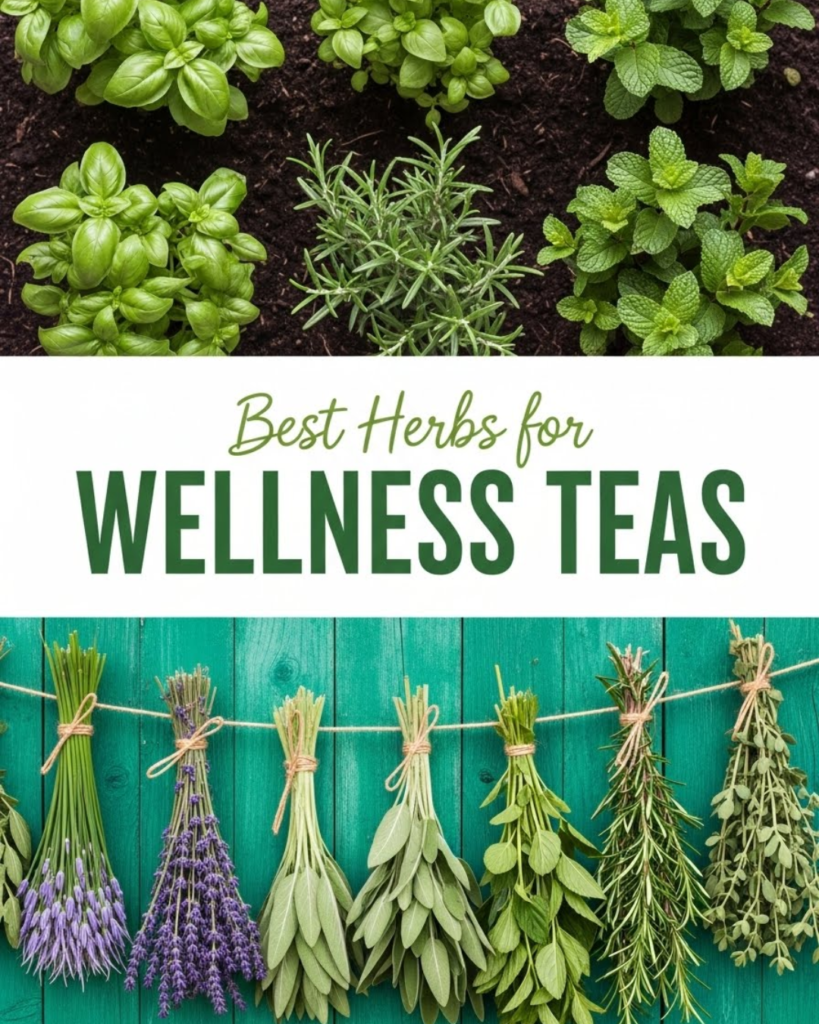
What Are Wellness Teas and Why Do They Matter?
Wellness teas are herbal infusions made from leaves, flowers, roots, seeds, or bark that support overall health rather than targeting a single symptom. Unlike regular tea from the Camellia sinensis plant, most wellness teas are caffeine-free and gentle enough for daily use.
How Herbal Teas Support Overall Wellness
Herbs used in wellness teas often contain:
- Antioxidants that protect cells from stress
- Anti-inflammatory compounds that support balance
- Natural oils that aid digestion and relaxation
Drinking wellness teas regularly helps you hydrate while delivering plant-based support in a form your body can easily absorb.
Common Concerns for Beginners
If you’re new to herbal teas, you may worry about taste, safety, or effectiveness. The good news is that many herbs are mild, pleasant, and widely used in everyday wellness routines. Starting with single-herb teas allows you to understand how your body responds before exploring blends.
Which Are the Best Herbs for Wellness Teas?
Certain herbs stand out because of their versatility, safety profile, and long history of use. These are some of the best herbs for wellness teas that suit most lifestyles.
Chamomile for Calm and Sleep
Chamomile is one of the most popular wellness tea herbs worldwide. It is known for its calming properties and gentle floral flavor.
Benefits include:
- Promoting relaxation
- Supporting better sleep quality
- Easing digestive discomfort
Chamomile tea is ideal in the evening when you want to slow down and prepare your body for rest.
Peppermint for Digestion and Clarity
Peppermint tea offers a refreshing taste and powerful digestive support.
Why it works:
- Relaxes digestive muscles
- Reduces bloating and discomfort
- Enhances mental alertness
This makes peppermint a great daytime wellness tea, especially after meals.
Ginger for Immune and Digestive Support
Ginger root has warming properties and is widely used in wellness teas for both digestion and immunity.
Key advantages:
- Supports immune response
- Aids digestion and circulation
- Helps soothe nausea
How Do You Prepare Wellness Teas Correctly?
Making wellness teas at home is simple, but preparation matters to get the most benefits.
Basic Herbal Tea Preparation Steps
- Use 1 teaspoon of dried herbs or 1 tablespoon of fresh herbs
- Pour hot (not boiling) water over herbs
- Cover and steep for 5–10 minutes
- Strain and enjoy
Covering the cup helps preserve essential oils, which contain many of the beneficial compounds.
Best Times to Drink Wellness Teas
- Morning: Ginger or peppermint for energy
- Afternoon: Lemon balm or tulsi for balance
- Evening: Chamomile or lavender for relaxation
Featured Snippet Answer: How many cups of wellness tea can you drink daily?
Most people can safely enjoy 1–3 cups of wellness tea per day, depending on the herb and individual sensitivity.
What Are Advanced Herbal Tea Strategies for Better Results?
Once you’re comfortable with single herbs, you can begin blending teas to support specific wellness goals.
Herbal Blends for Common Needs
- Relaxation blend: Chamomile + lavender
- Digestive blend: Peppermint + fennel
- Immunity blend: Ginger + turmeric
Blending allows you to customize your tea experience while balancing flavors and effects.
Customizing Teas to Your Lifestyle
You can adjust strength, steeping time, and ingredients based on how your body responds. Keeping a simple journal helps track which herbs make you feel your best.
What Challenges Might You Encounter with Wellness Teas?
Even gentle wellness teas can come with small challenges, especially at the beginning.
Taste Adjustments
If a tea tastes too strong:
- Use less herb
- Shorten steeping time
- Add a slice of lemon or a bit of honey
Digestive Sensitivity
Some herbs may feel too stimulating on an empty stomach. In that case:
- Drink teas after meals
- Switch to milder herbs
- Reduce frequency
Consistency Struggles
Creating a daily tea habit takes time. Pair your tea with an existing routine, like reading or journaling, to make it stick.
How Can You Maximize the Benefits of Wellness Teas?
Wellness teas work best as part of a broader lifestyle approach rather than a quick fix.
Supporting Habits That Enhance Results
- Stay hydrated throughout the day
- Eat balanced, whole foods
- Prioritize sleep and stress management
Internal Linking Opportunities
This article can naturally connect to related topics such as:
- Herbal remedies for digestion
- Caffeine-free drinks for relaxation
- Morning wellness routines
- Natural ways to support immunity
- How to grow herbs at home
Long-Term Wellness Mindset
Think of wellness teas as a daily act of self-care. Small, consistent rituals create lasting change over time.
Conclusion
The best herbs for wellness teas offer a simple, nourishing way to support your body and mind every day. From chamomile’s calming effects to ginger’s immune support and peppermint’s digestive benefits, these herbs make wellness accessible and enjoyable. You don’t need perfection or complex routines—just a cup, a few herbs, and the intention to care for yourself.
Start with one tea, listen to your body, and build from there. You have the ability to create meaningful wellness habits that fit your life, one cup at a time.
Important Disclaimer
This article is for informational purposes only and should not replace professional advice. For health-related topics, consult healthcare providers. Individual results may vary, and personal circumstances should always be considered when implementing any suggestions.