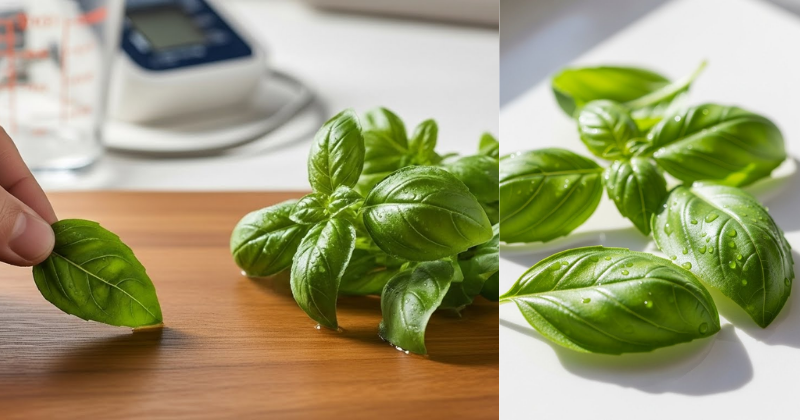
Discover how chewing basil leaves in the morning may support blood pressure balance and transform your daily wellness routine with this simple, natural, and effective habit. Taking control of your heart health starts with small, sustainable steps you can take right in your own kitchen or garden.
Imagine waking up, stepping into the sunlight, and picking a few fresh, aromatic leaves from a vibrant green plant. This isn’t just a culinary dream; it is a powerful ritual for your cardiovascular system. Many people struggle with maintaining healthy circulation and heart health, often feeling overwhelmed by complex medical advice. However, nature offers a gentle hand. By incorporating fresh basil into your morning, you are unlocking centuries of traditional wisdom backed by modern nutritional insights.
In this guide, we will explore why this “Queen of Herbs” is so respected in the wellness world. You will learn the science behind its compounds, the best ways to consume it, and how to grow your own supply. Whether you are a seasoned health enthusiast or just starting your journey toward a more balanced lifestyle, these insights will empower you to achieve your wellness goals with confidence.

The Science of Basil: Understanding Its Impact on Heart Health
When you begin chewing basil leaves in the morning, you aren’t just enjoying a burst of peppery flavor. You are consuming a complex cocktail of phytochemicals. Basil, specifically Holy Basil (Tulsi) and Sweet Basil, contains high levels of eugenol. Research suggests that eugenol may act as a natural calcium channel blocker.
In the world of cardiovascular health, calcium channel blockers are significant because they help relax the blood vessels. When your blood vessels are relaxed and dilated, blood flows more easily, which naturally supports blood pressure balance. This process is a fundamental part of maintaining a healthy heart and ensuring your organs receive the oxygenated blood they need to thrive.
Antioxidants and Inflammation
Beyond eugenol, basil is packed with antioxidants like anthocyanins and beta-carotene. These compounds work like a cleanup crew for your arteries. They help reduce oxidative stress and inflammation, two major culprits that can lead to stiffened blood vessels. By keeping your “pipes” flexible and clean, you’re making it much easier for your body to regulate its internal pressure.
The Role of Magnesium
Many people don’t realize that basil is also a source of magnesium. This essential mineral is a superstar for heart health because it encourages the muscles around your heart and blood vessels to relax. If you’ve been feeling tense or stressed, a morning dose of magnesium via fresh herbs can be a calming start to your day.
How to Start Your Morning Basil Ritual
Building a new habit is all about making it achievable and enjoyable. You don’t need a PhD in herbalism to start chewing basil leaves in the morning for blood pressure support. All you need is access to fresh, organic leaves and a few minutes of your time.
Choosing the Right Leaves
While there are many varieties of basil, two stand out for their health benefits:
- Holy Basil (Tulsi): Often used in Ayurvedic medicine, it is known for its adaptogenic properties, helping the body manage stress.
- Sweet Basil (Genovese): The common culinary variety found in grocery stores, which still offers significant eugenol and antioxidant benefits.
Step-by-Step Morning Routine
- Step 1: Harvest and Rinse. Pick 3 to 5 fresh leaves. Rinse them under cool water to remove any dust or debris.
- Step 2: Timing is Key. It is widely recommended to chew these leaves on an empty stomach, about 15–20 minutes before your breakfast. This allows the compounds to be absorbed more efficiently.
- Step 3: Chewing Thoroughly. Don’t just swallow the leaves. Chew them slowly to release the essential oils. This also starts the digestive process in your mouth.
- Step 4: Hydrate. Follow the leaves with a glass of warm water to help flush the nutrients through your system.
Pro Tip: If the taste is too strong for you at first, try wrapping the basil leaves around a small piece of cucumber or a slice of apple.
Maximizing the Benefits: Pro Tips for Long-Term Success
To truly see how chewing basil leaves in the morning may support blood pressure balance, consistency is your best friend. Like any natural approach, the effects are cumulative. You likely won’t see a dramatic shift in one day, but over weeks and months, the support adds up.
Combine with a Low-Sodium Diet
While basil is powerful, it works best as part of a team. Think of it as a specialized “coach” for your heart. If you combine your morning basil ritual with a diet rich in potassium (like bananas and spinach) and low in processed salts, you are creating an environment where your blood pressure can truly stabilize.
Stress Management and Adaptogens
Holy Basil is an “adaptogen,” meaning it helps your body adapt to stress. Since stress is a primary trigger for spikes in blood pressure, the mental health benefits of basil are just as important as the physical ones. Use your morning chewing time as a moment of mindfulness. Take deep breaths, appreciate the aroma, and set a positive intention for your day.
Growing Your Own Medicine: A Beginner’s Guide
There is something deeply satisfying about consuming something you grew yourself. It connects you to the earth and ensures that your herbs are free from harmful pesticides. Basil is one of the easiest herbs to grow, even if you don’t have a green thumb.
Seasonal Considerations
Basil loves the sun and warmth. If you are planting outdoors, wait until the danger of frost has passed. In most regions, late spring is the perfect time to start. However, if you live in a colder climate, don’t worry! Basil thrives on a sunny windowsill year-round.
Quick Growing Tips
- Sunlight: Ensure your plant gets at least 6 to 8 hours of light daily.
- Watering: Basil likes to stay hydrated but hates “wet feet.” Water the soil when the top inch feels dry.
- Pruning: To keep your plant bushy and productive, pinch off the top leaves regularly. This prevents the plant from flowering (bolting) and ensures a steady supply of leaves for your morning routine.
Troubleshooting Common Challenges
Sometimes, things don’t go perfectly, and that’s okay! Here is how to handle common obstacles on your journey to better heart health through basil.
“I Can’t Find Fresh Basil”
If fresh leaves aren’t available, you can use high-quality dried basil or Tulsi tea. While fresh is best for essential oils, a warm cup of basil tea in the morning still provides many of the beneficial polyphenols.
“The Taste is Too Intense”
Some varieties of Holy Basil can be quite peppery or “clove-like.” If you find the flavor overwhelming, you can finely chop the leaves and mix them into a teaspoon of raw honey. This makes the ritual feel more like a treat than a chore.
“My Plant is Wilting”
If your basil plant looks sad, it’s usually a light or water issue. Check for “Internal Linking Opportunities” by researching soil pH for herbs or natural pest control for indoor gardens to keep your plant healthy. A healthy plant provides more potent nutrients!
Sustainable Habits for a Healthy Heart
Achieving blood pressure balance is a marathon, not a sprint. Chewing basil leaves in the morning is a fantastic foundation, but you can take it to the next level by looking at your overall lifestyle.
- Daily Movement: Aim for 30 minutes of walking.
- Hydration: Drink plenty of water throughout the day.
- Sleep: Prioritize 7–9 hours of rest to allow your heart to recover.
By integrating these habits, you aren’t just managing a number on a blood pressure monitor; you are choosing a life of vitality and energy. You have the power to influence your health, one leaf at a time.
Summary of Key Takeaways
- Basil contains eugenol, which may act as a natural calcium channel blocker.
- Chewing 3-5 leaves on an empty stomach is the most effective method.
- Consistency is crucial for seeing long-term support in blood pressure balance.
- Growing your own basil ensures purity and freshness.
Important Disclaimer: This article is for informational purposes only and should not replace professional advice. For health-related topics, consult healthcare providers. For financial or legal matters, seek qualified professional guidance. For safety procedures, verify current best practices and local regulations. Individual results may vary, and personal circumstances should always be considered when implementing any suggestions.