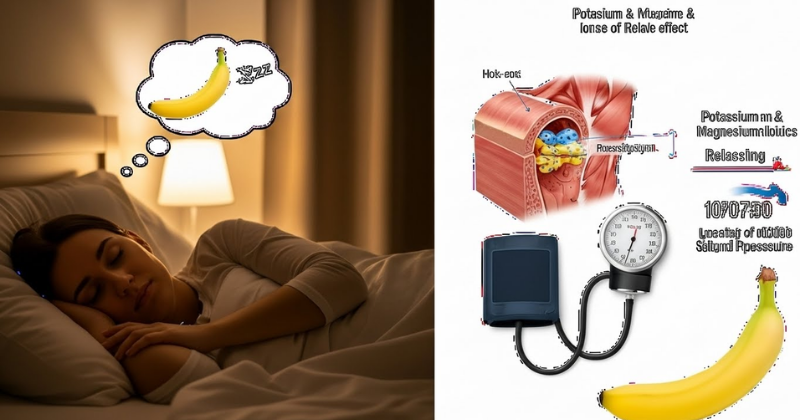
Discover how consuming a single banana before bedtime triggers a cascade of physiological responses that enhance sleep quality, optimize muscle recovery, and regulate cardiovascular function. This evidence-based exploration reveals the biochemical mechanisms through which this simple evening ritual transforms your body’s nocturnal physiology, leveraging naturally occurring compounds to support restorative processes during sleep.
The banana represents far more than convenient nutrition—it functions as a sophisticated delivery system for sleep-promoting amino acids, muscle-supporting electrolytes, and cardiovascular-regulating minerals. Recent sleep research and nutritional biochemistry have illuminated the specific pathways through which pre-sleep banana consumption influences multiple physiological systems simultaneously. This comprehensive analysis examines the molecular mechanisms, clinical evidence, and practical applications of this deceptively simple intervention.
The Neurochemical Foundation: Tryptophan and Serotonin Pathways
Understanding how bananas influence sleep quality requires examining their neurochemical composition and the metabolic pathways activated during evening consumption.
Tryptophan’s Conversion to Sleep-Inducing Compounds
Bananas contain approximately 11 milligrams of tryptophan per 100 grams—an essential amino acid serving as the biochemical precursor for serotonin and subsequently melatonin synthesis. When consumed in the evening, this tryptophan enters the bloodstream and crosses the blood-brain barrier, initiating a sequential transformation process. The enzyme tryptophan hydroxylase converts tryptophan to 5-hydroxytryptophan (5-HTP), which then transforms into serotonin through decarboxylation.
This serotonin production matters profoundly for sleep architecture. Serotonin regulates mood and promotes relaxation, but its derivative melatonin—synthesized in the pineal gland through N-acetyltransferase and hydroxyindole-O-methyltransferase enzymes—directly governs circadian rhythm regulation. The evening timing of banana consumption aligns strategically with natural melatonin production peaks, potentially enhancing this endogenous synthesis.
Vitamin B6’s Catalytic Role in Neurotransmitter Synthesis
A medium banana provides approximately 0.4 milligrams of vitamin B6 (pyridoxine), representing roughly 20% of daily requirements. This vitamin functions as an essential cofactor for aromatic L-amino acid decarboxylase, the enzyme catalyzing serotonin formation from 5-HTP. Without adequate B6, tryptophan conversion efficiency diminishes significantly, limiting sleep-promoting neurotransmitter availability.
Research published in nutritional neuroscience journals demonstrates that vitamin B6 deficiency correlates with reduced dream recall and altered REM sleep patterns, suggesting its critical role in sleep cycle regulation. The banana’s combination of tryptophan and its conversion cofactor creates synergistic neurochemical support unavailable from isolated supplementation.
Magnesium’s Multifaceted Impact on Muscular and Nervous Systems
Beyond sleep promotion, bananas deliver approximately 27 milligrams of magnesium per medium fruit—a mineral orchestrating over 300 enzymatic reactions throughout the body.
Muscle Relaxation Through Calcium Channel Modulation
Magnesium functions as nature’s calcium channel blocker, regulating the flow of calcium ions into muscle cells. During muscle contraction, calcium floods the sarcoplasm, enabling actin-myosin cross-bridge formation. Magnesium competes with calcium for binding sites on muscle proteins, promoting relaxation when calcium levels decrease. This antagonistic relationship prevents sustained muscle tension and reduces nocturnal cramping frequency.
For individuals experiencing restless leg syndrome or nighttime muscle spasms, evening magnesium intake through banana consumption may provide symptomatic relief. Clinical studies indicate that magnesium supplementation reduces leg cramp frequency by approximately 40-50% in affected populations, suggesting similar benefits from dietary sources consumed strategically before sleep.
GABA Receptor Modulation and Nervous System Calming
Magnesium additionally binds to gamma-aminobutyric acid (GABA) receptors—the primary inhibitory neurotransmitter system in the central nervous system. This binding enhances GABAergic activity, promoting neural quieting and reducing sympathetic nervous system dominance. The resulting parasympathetic shift facilitates the physiological transition from wakefulness to sleep, characterized by decreased heart rate, reduced cortisol secretion, and lowered core body temperature.
Research correlating magnesium status with sleep quality reveals that individuals with higher serum magnesium concentrations experience longer sleep duration, improved sleep efficiency, and reduced sleep onset latency compared to those with marginal deficiency.
Potassium’s Cardiovascular Regulation During Sleep
A medium banana contains approximately 422 milligrams of potassium—roughly 9% of the recommended daily intake—positioning this fruit as an accessible potassium source for cardiovascular support.
Blood Pressure Regulation Through Sodium-Potassium Balance
The sodium-potassium pump (Na+/K+-ATPase) maintains cellular electrochemical gradients essential for nerve transmission, muscle contraction, and cardiovascular function. Modern diets typically provide excessive sodium relative to potassium, disrupting this crucial ratio and contributing to hypertension development. Evening potassium intake helps restore favorable sodium-potassium ratios, promoting vasodilation and reducing peripheral vascular resistance.
Clinical trials examining potassium supplementation effects on blood pressure demonstrate consistent modest reductions—typically 3-5 mmHg systolic and 2-3 mmHg diastolic pressure decreases. While these reductions appear small individually, population-level adoption could significantly impact cardiovascular disease prevalence, given that even minor blood pressure reductions correlate with decreased stroke and myocardial infarction risk.
Nocturnal Blood Pressure Dipping and Cardiovascular Protection
Healthy circadian blood pressure patterns include a 10-20% nocturnal pressure reduction compared to daytime values—a phenomenon termed “dipping.” Non-dippers (individuals lacking this nocturnal decrease) experience elevated cardiovascular risk independent of average blood pressure levels. Evening potassium consumption may enhance dipping patterns through improved endothelial function and reduced sympathetic nervous system activity during sleep.
Research published in hypertension journals suggests that bedtime mineral intake influences nocturnal blood pressure profiles more significantly than morning consumption, supporting the strategic timing of banana consumption before sleep for cardiovascular optimization.
Practical Implementation: Optimizing Timing and Combinations
Translating scientific understanding into practical application requires consideration of individual variation, timing precision, and complementary dietary factors.
Optimal Consumption Windows
Consume your banana 30-60 minutes before intended sleep onset. This timing allows for initial digestion and nutrient absorption while preventing potential gastrointestinal discomfort from lying down immediately after eating. The tryptophan-to-serotonin conversion process requires approximately 60-90 minutes, meaning consumption too close to bedtime may delay sleep-promoting effects until after you’ve fallen asleep naturally.
For individuals with slower digestive systems or those prone to acid reflux, extending this window to 90-120 minutes before bed prevents discomfort while maintaining neurochemical benefits. Monitor your personal response patterns and adjust timing accordingly.
Synergistic Food Combinations
Enhance tryptophan absorption and utilization by pairing bananas with small amounts of complex carbohydrates or healthy fats. A small handful of almonds provides additional magnesium while healthy fats slow glucose absorption, preventing blood sugar fluctuations that might disrupt sleep. Alternatively, a tablespoon of almond butter spread on banana slices creates a balanced pre-sleep snack combining protein, healthy fats, and sleep-promoting compounds.
The carbohydrate content in bananas (approximately 27 grams per medium fruit) triggers insulin secretion, which paradoxically enhances tryptophan’s ability to cross the blood-brain barrier by facilitating the uptake of competing amino acids into muscle tissue. This metabolic quirk explains why carbohydrate-containing evening snacks often promote better sleep than protein-only options.
Addressing Individual Variations and Potential Concerns
While most individuals tolerate and benefit from evening banana consumption, certain populations require modified approaches or additional considerations.
Blood Sugar Considerations for Metabolic Health
Bananas contain natural sugars totaling approximately 14 grams per medium fruit, with a glycemic index of 51 (medium glycemic load). For individuals with insulin resistance, diabetes, or metabolic syndrome, this carbohydrate content warrants attention. However, the resistant starch and fiber in slightly underripe bananas moderate glucose absorption, potentially making them preferable for blood sugar management.
Consider consuming slightly green bananas in the evening if blood sugar regulation concerns you. These less ripe fruits contain more resistant starch—a form of carbohydrate that resists digestion in the small intestine and ferments in the colon, producing beneficial short-chain fatty acids while minimizing blood glucose impact. As bananas ripen, starches convert to simple sugars, increasing their glycemic effect.
Medication Interactions and Special Populations
Individuals taking beta-blockers for cardiovascular conditions should exercise caution with high-potassium foods, as these medications can increase serum potassium levels. While a single banana rarely causes clinically significant hyperkalemia in healthy kidneys, those with compromised renal function should consult healthcare providers about appropriate potassium intake levels.
Similarly, individuals taking MAO inhibitors should limit tyramine-containing foods, including very ripe bananas, to prevent hypertensive crises. These interactions underscore the importance of personalized nutrition approaches rather than universal recommendations.
Maximizing Long-Term Benefits Through Consistent Practice
Establishing evening banana consumption as a regular ritual amplifies benefits beyond single-dose effects through cumulative physiological adaptations.
Building Sleep Hygiene Routines
Integrate banana consumption into comprehensive sleep hygiene protocols that include consistent sleep-wake schedules, reduced evening blue light exposure, and bedroom environment optimization. The banana serves as both nutritional support and behavioral cue—a consistent pre-sleep ritual signaling to your body that rest approaches. This classical conditioning effect may enhance sleep onset efficiency independent of the banana’s biochemical properties.
Monitoring and Adjusting Based on Response
Track your sleep quality, muscle recovery, and morning blood pressure readings over 2-4 weeks of consistent evening banana consumption. Utilize sleep tracking applications or simple journaling to identify patterns and correlations. Some individuals respond dramatically to this intervention, while others experience subtle improvements requiring longer observation periods to detect.
Complementary Lifestyle Factors
Combine evening banana consumption with other evidence-based sleep optimization strategies: regular physical activity (completed at least 3-4 hours before bedtime), stress management techniques like meditation or progressive muscle relaxation, and strategic light exposure patterns that reinforce circadian rhythm strength. Additionally, consider exploring magnesium-rich foods beyond bananas, natural sleep-promoting herbal teas, and bedroom temperature optimization for comprehensive sleep quality enhancement.
Conclusion
The simple act of consuming one banana before bed initiates a sophisticated cascade of physiological processes supporting sleep quality, muscle recovery, and cardiovascular health. Through its unique combination of tryptophan, vitamin B6, magnesium, and potassium, this accessible fruit provides comprehensive support for nocturnal restoration and metabolic regulation. The scientific evidence underlying these benefits—from neurotransmitter synthesis pathways to electrolyte-mediated blood pressure regulation—demonstrates that strategic nutrient timing can meaningfully influence health outcomes. Begin your evening banana ritual tonight, and discover how this evidence-based practice transforms your sleep architecture, muscular recovery, and cardiovascular function through nature’s elegantly designed nutritional package.
Important Disclaimer: This article is for informational purposes only and should not replace professional advice. For health-related topics, consult healthcare providers. Individual results may vary based on underlying health conditions, medications, and personal physiology. Those with kidney disease, diabetes, or taking medications affecting potassium levels should consult their healthcare provider before significantly increasing banana or potassium intake.