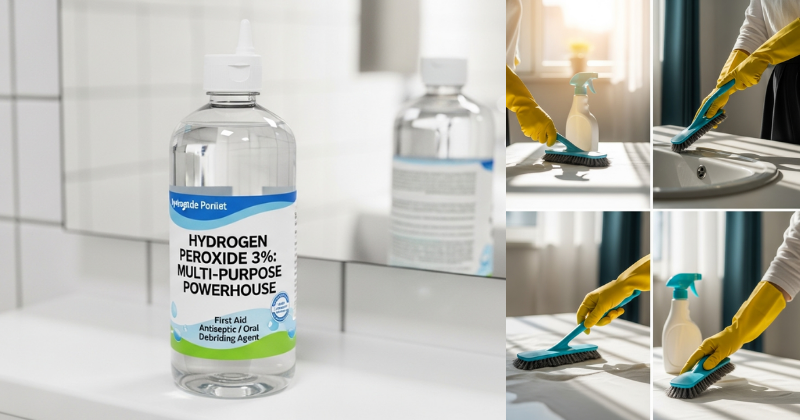
Hydrogen Peroxide 3%: The Multi-Purpose Powerhouse is a versatile, eco-friendly solution for cleaning, gardening, and wellness. Discover how to use this affordable tool.
Important Disclaimer: This article is for informational purposes only and should not replace professional advice. For health-related topics, consult healthcare providers. For safety procedures, verify current best practices and local regulations. Individual results may vary, and personal circumstances should always be considered when implementing any suggestions.
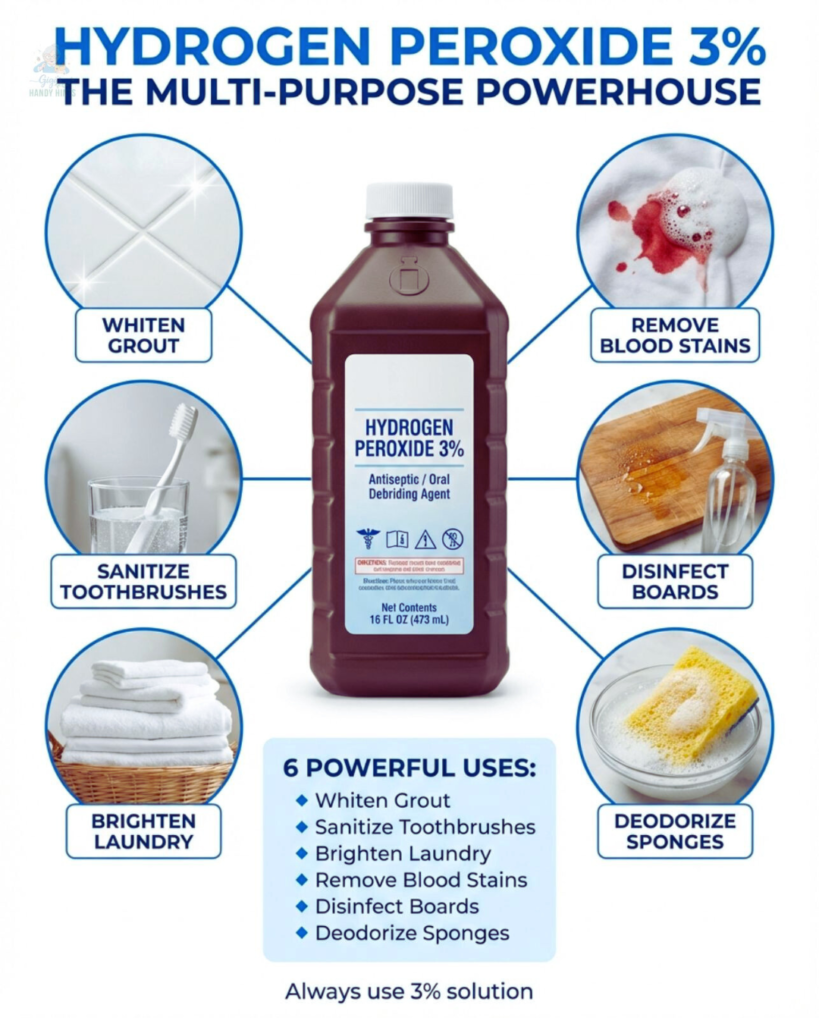
Have you ever looked under your bathroom sink and seen that familiar brown plastic bottle, only to realize you’ve been ignoring one of the most effective tools in your home? We often buy expensive, specialized chemicals for every minor task, yet Hydrogen Peroxide 3%: The Multi-Purpose Powerhouse sits quietly, ready to handle everything from stubborn laundry stains to garden pests. It is incredibly satisfying to simplify your life with a single, affordable product that actually works without leaving behind harsh, toxic residues.
In this guide, you are going to discover how to unlock the full potential of this oxygen-based cleaner. We will explore its transformative powers in the kitchen, its surprising benefits for your plants, and its role in a sustainable wellness routine. You have the capability to achieve a cleaner, healthier home environment starting today. Let’s dive into the science and practical magic of this household staple and see how you can empower yourself with smarter, simpler solutions!
Foundation: Understanding the Science of 3% Peroxide
Before you start pouring, it is essential to build confidence in what this liquid actually is. Chemically known as $H_2O_2$, hydrogen peroxide is simply water with an extra oxygen atom. This extra atom makes it a powerful oxidizer, which is the secret behind its cleaning and disinfecting strength.
Why the Brown Bottle?
You might notice that hydrogen peroxide always comes in an opaque brown bottle. This is because light breaks down the chemical bond, turning it back into plain water and oxygen. To ensure your “powerhouse” stays potent, always keep the cap tight and store it in its original container. This understanding is the first step toward [sustainable lifestyle changes] that prioritize efficiency.
Reassurance for Beginners
If you are worried about using a “chemical,” take heart. Unlike bleach or ammonia, hydrogen peroxide breaks down into completely harmless substances: water and oxygen. It is a non-toxic alternative that is safe for households with pets and children when used correctly. By choosing this over complex detergents, you are making a positive impact on your home’s ecosystem.
Key Household Components
- Disinfection: It kills bacteria, viruses, and fungi on contact.
- Whitening: Its oxidizing power acts as a gentle, color-safe bleach.
- Deodorizing: It neutralizes odors at the molecular level rather than just masking them.
Step-by-Step: Core Methods for Home and Garden
Ready to put it to work? Here is a breakdown of the most effective, manageable ways to use Hydrogen Peroxide 3%: The Multi-Purpose Powerhouse in your daily life.
1. In the Kitchen: Sanitize and Brighten
- Cutting Boards: After cutting meat, pour a little peroxide on your wooden or plastic boards. You will see it “fizz”—that is the oxygen working to kill bacteria in the grooves.
- The Sponge Soak: Soak your kitchen sponges in a 50/50 mix of peroxide and water for 10 minutes to eliminate that “musty” smell.
- Fruit and Veggie Wash: Add 1/4 cup to a sink full of cold water to help remove pesticides and bacteria from your produce. Rinse with plain water afterward.
2. In the Garden: Boost Your Plants
- Root Rot Rescue: If a plant is overwatered, a mixture of 1 part peroxide to 2 parts water can oxygenate the soil and kill the fungus causing rot. This is an essential skill for anyone looking to [discover their green thumb].
- Pest Control: A diluted spray (1 tablespoon per cup of water) can help deter fungus gnats and spider mites without harming the plant’s leaves.
3. In the Laundry Room: Stain Removal
- The Blood Stain Secret: Peroxide is the gold standard for removing blood or protein stains. Apply it directly to the spot, let it fizz, and wash as usual.
- Whiten Whites: Add one cup of 3% peroxide to your white load instead of bleach to brighten dull fabrics.
Advanced Strategies: Pro Tips for Maximum Efficiency
Once you have mastered the basics, you can share expert-level insights by combining peroxide with other simple ingredients to create custom solutions.
The Power Scrub Paste
Mix hydrogen peroxide with baking soda to create a thick paste. This is a “miracle cleaner” for grout, blackened cookie sheets, and bathtub rings. The bubbling action of the peroxide lifts the grime while the baking soda provides gentle abrasion. This is an achievable win for those seeking [eco-friendly home tips] that save money.
Revitalizing Your Bathroom Routine
You can use a 3% solution as a pre-rinse for your toothbrush to kill germs between uses. Additionally, adding a cup to a warm foot soak can help soften callouses and treat minor fungal issues like athlete’s foot. Much like the [DIY exfoliating sugar scrub bars], this is a simple way to incorporate high-value self-care into your day without a spa price tag.
Pro-Tip: The Light Test
Not sure if that old bottle under the sink is still active? Pour a tiny bit into the sink. If it fizzes, it’s still good. If it doesn’t bubble, it has likely decomposed into plain water and it’s time to replace it.
Troubleshooting: Common Challenges and Safety Measures
Even a safe product requires a bit of caution. Here is how to handle frequent obstacles with encouragement and authority.
“It bleached my colored shirt!”
- The Solution: While peroxide is safer than bleach, it is still an oxidizer.
- The Fix: Always perform a “spot test” on an inconspicuous area of fabric or carpet before applying it to the whole stain. If the color remains after 10 minutes, you are good to go.
“My plant leaves are turning brown after spraying.”
- The Advice: You may have used a concentration that was too high.
- The Strategy: Never use 3% peroxide “neat” on delicate foliage. Always dilute it significantly for garden use, and avoid spraying plants in direct sunlight, which can cause “burn” spots.
“Can I mix it with vinegar?”
- The Warning: Never mix hydrogen peroxide and vinegar in the same bottle. This creates peracetic acid, which is corrosive and can irritate your lungs.
- The Safe Alternative: You can use them in succession (spray one, wipe, then spray the other) for an incredibly powerful disinfecting duo on hard surfaces like countertops.
Maximizing Results: Long-Term Maintenance Tips
To build upon your success, think about how to integrate this powerhouse into your long-term household systems.
Creating a Disinfection Station
Keep a spray bottle of 3% peroxide in a dark-colored spray bottle near your high-touch areas, like doorknobs and light switches. A quick spray-and-wipe once a week can significantly reduce the spread of seasonal germs in your home. This proactive approach is a hallmark of a [well-organized and healthy lifestyle].
Sustainable Shopping
By buying the larger bottles of 3% peroxide, you reduce plastic waste from multiple specialized cleaners. It is a small but meaningful step toward a more sustainable future. Pair this with other [home-organization hacks] to keep your cleaning supplies streamlined and effective.
Featured Snippet: What are the best uses for 3% hydrogen peroxide?
The best uses for 3% hydrogen peroxide include disinfecting kitchen surfaces, removing organic stains (like blood or wine) from laundry, and treating plant root rot. It is also highly effective for whitening grout, cleaning toothbrushes, and sanitizing cutting boards. Because it breaks down into water and oxygen, it is a safe, non-toxic alternative to traditional household bleaches.
Conclusion
Embracing Hydrogen Peroxide 3%: The Multi-Purpose Powerhouse is more than just a cleaning tip; it is a way to achieve a simpler, more effective way of living. You have discovered that you have the capability to succeed in maintaining a pristine home and a thriving garden using one modest ingredient. By shifting away from harsh chemicals, you transform your environment into a safer haven for yourself and your loved ones.
You’ve got this! Go grab that brown bottle, test its fizz, and tackle your first project today. Whether it’s brightening a load of laundry or saving a favorite houseplant, you’ll see immediate, satisfying results.