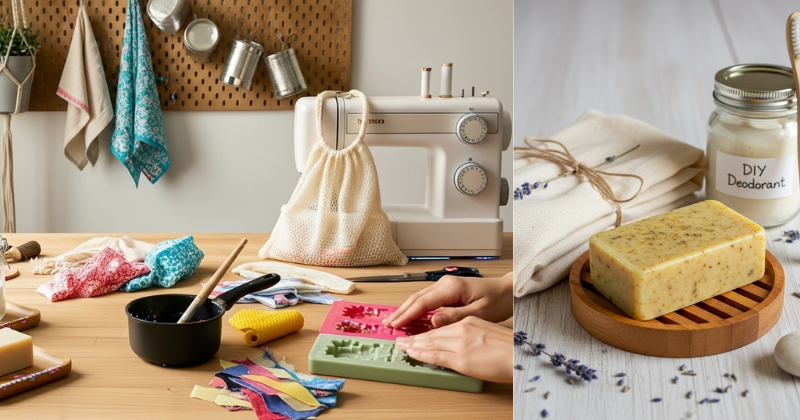
Discover the best ZERO-WASTE DIY IDEAS to help create an eco-friendly home. Learn how to reduce trash, save money, and live sustainably with easy projects today!
Have you ever looked at your overflowing trash can at the end of the week and felt a pang of “eco-guilt”? You aren’t alone. Many of us want to protect the planet, but the idea of going “zero-waste” can feel like an impossible, all-or-nothing mountain to climb. The good news is that sustainability isn’t about being perfect; it’s about making small, intentional changes that add up to a massive impact.
By implementing creative ZERO-WASTE DIY IDEAS to help create an eco-friendly home, you can transform your living space into a sanctuary of sustainability. This guide will show you how to swap disposable plastics for reusable treasures, turn kitchen scraps into garden gold, and craft your own cleaning supplies. You will gain the confidence to reduce your environmental footprint while saving a significant amount of money. Let’s unlock your potential to live a greener, more intentional life with projects that are as fun as they are functional!
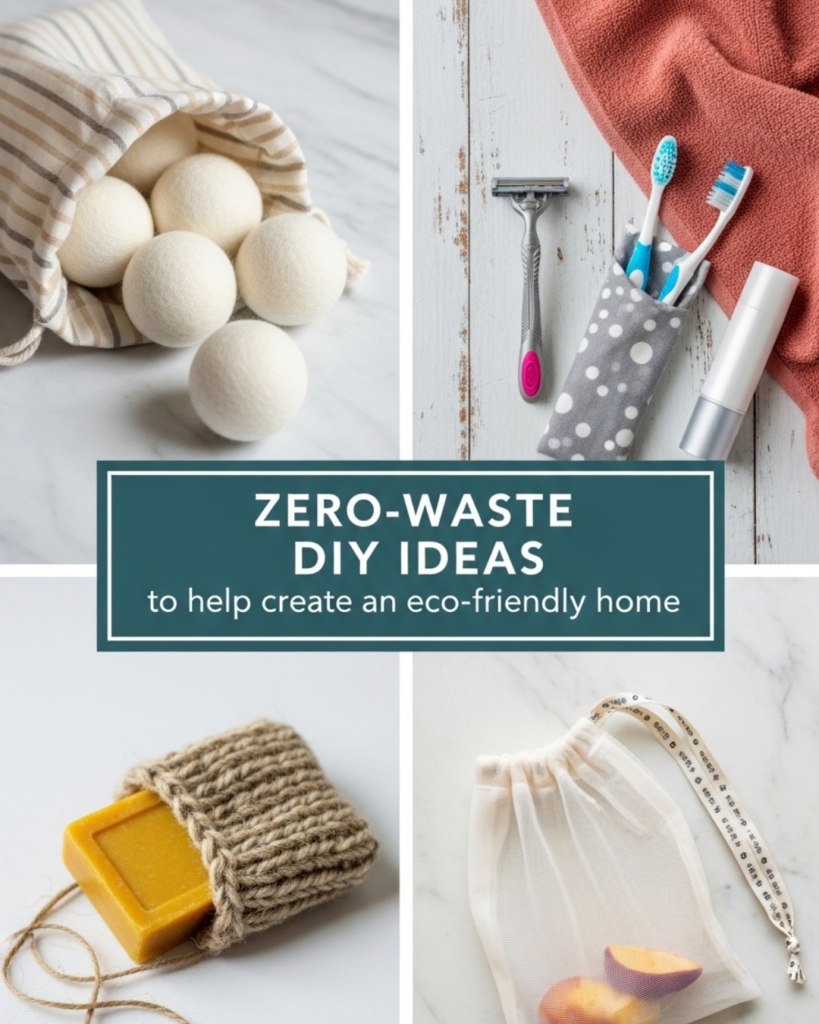
Foundation: Understanding the Zero-Waste Mindset
Before we dive into the projects, let’s build your confidence with the basic concepts of a circular home. The goal of zero-waste isn’t necessarily to produce literally zero trash—though that is a wonderful north star—it is about shifting from a “disposable” culture to a “reusable” one.
Many beginners worry that an eco-friendly lifestyle is too expensive. However, most ZERO-WASTE DIY IDEAS actually focus on using what you already have. By repurposing old textiles, glass jars, and organic waste, you are essentially shopping from your own home. It’s a process of “refusing” what you don’t need and “reusing” what you do.
H3: The Five R’s of Sustainability
To succeed, keep these five principles in mind:
- Refuse: Say no to single-use plastics and unnecessary packaging.
- Reduce: Buy less and choose high-quality items that last.
- Reuse: Turn old t-shirts into rags or jars into food storage.
- Recycle: Dispose of materials properly only when they can’t be reused.
- Rot: Compost organic matter to return nutrients to the earth.
H3: Essential Eco-Friendly Tool Kit
You likely already have the “tools” needed to start your zero-waste journey. Keep these items handy:
- Glass Jars: Never throw away a pasta sauce or jam jar! They are perfect for bulk shopping.
- Natural Fibers: Old cotton towels or linen scraps for kitchen swaps.
- Basic Pantry Staples: White vinegar, baking soda, and Castile soap for DIY cleaners.
- Patience: Moving toward a sustainable home is a marathon, not a sprint.
Step-by-Step Process: Core Zero-Waste Methods
Breaking down your home transition into manageable steps makes the process feel achievable. Here are three core methods to start your transformation today.
Step 1: The Kitchen Swap (Beeswax Wraps)
Plastic wrap is a major source of kitchen waste. You can easily make your own reusable beeswax wraps to keep food fresh.
- Prep: Cut 100% cotton fabric into squares.
- Melt: Grate a beeswax block (or use pellets) and sprinkle evenly over the fabric.
- Heat: Place in a $200^\circ\text{F}$ oven for 5 minutes until the wax melts.
- Finish: Use a brush to spread the wax to the edges, let it dry, and you have a washable, compostable food wrap!
Step 2: DIY Multi-Purpose Cleaner
Stop buying plastic spray bottles filled with water and synthetic fragrances.
- Fill a glass jar halfway with citrus peels (orange or lemon).
- Cover with white vinegar and let sit for two weeks.
- Strain the liquid into a glass spray bottle and dilute 1:1 with water. This powerful, natural cleaner cuts through grease and smells like a summer garden.
Step 3: Setting Up a Countertop Compost
“Rot” is a crucial part of an eco-friendly home. You don’t need a huge backyard to start.
- Designate a sealed container for fruit peels, coffee grounds, and eggshells.
- Empty it into a larger outdoor bin or a local community compost drop-off once a week.
- This prevents organic waste from trapped in landfills where it produces methane gas.
Advanced Strategies: Pro Tips for an Eco-Friendly Lifestyle
Once you’ve mastered the basics, you can share expert-level insights and customize your approach to fit your specific lifestyle.
H3: Customizing Your Personal Care
Many zero-waste advocates move their efforts into the bathroom. You can create a DIY clove mouthwash recipe for a natural, plastic-free rinse or experiment with solid shampoo bars. This eliminates the need for dozens of plastic bottles every year.
H3: Creative Upcycling Variations
- Un-Paper Towels: If you are handy with a sewing machine, snap together squares of flannel to create a roll of “paper” towels that you can wash and reuse hundreds of times.
- Bulk Bin Success: Transitioning to bulk shopping requires a bit of planning. Use a grease pencil to write the “tare weight” (the weight of the empty jar) on the lid so you only pay for the food inside.
- Regrowing Scraps: Don’t just compost your green onion ends or celery hearts. Place them in a small dish of water on your windowsill. Within days, they will begin to regrow, providing you with “free” food and reducing grocery store packaging.
Troubleshooting: Common Challenges and Solutions
Setbacks are a natural part of any DIY journey. If something doesn’t work perfectly the first time, use these solutions to stay on track.
- Problem: My DIY cleaner smells too much like vinegar. * Solution: Add a few drops of essential oil like eucalyptus or lavender. Also, ensure you are diluting it sufficiently with water.
- Problem: My compost smells bad. * Solution: This usually means there is too much “green” (wet) material and not enough “brown” (dry) material. Add some shredded cardboard or dry leaves to balance the moisture and odor.
- Problem: I forgot my reusable bags at the grocery store. * Solution: Don’t beat yourself up! Ask the cashier for a cardboard box from the back, or simply put your items back in the cart and bag them at your car.
Preventive Measures
The best way to avoid waste is to plan. Keep a “zero-waste kit” in your car or bag that includes a reusable water bottle, a set of bamboo utensils, and a cloth bag. This prevents “convenience waste” when you are out and about.
Maximizing Results: Next-Level Eco-Tips
Building upon your success allows you to create a truly holistic eco-friendly home. Consider how these strategies can complement your new DIY habits.
Complementary Gardening Strategies
If you have a small patio or backyard, use your homemade compost to start a “victory garden.” Growing your own herbs and vegetables reduces the carbon footprint associated with food transportation. You can even learn how to make beeswax and coconut oil candles to provide natural, non-toxic lighting for your evening garden sessions.
Long-Term Considerations
Living zero-waste is about longevity. Focus on repairing items rather than replacing them. Learn basic mending skills to fix a hole in a sock or use “Kintsugi” (the Japanese art of repairing broken pottery with gold) to save a favorite mug. These practices turn your home into a place of stories and care rather than a revolving door of consumer goods.
Conclusion: Your Journey to a Greener Home
You have now discovered a variety of ZERO-WASTE DIY IDEAS to help create an eco-friendly home. From making your own cleaners to mastering the art of the kitchen swap, you have the tools to make a real difference.
Remember, the transformation of your home is an empowering journey that rewards you with a cleaner environment and a more peaceful mind. Every jar reused and every compost bin filled is a victory for the planet. You have the capability to succeed and inspire others along the way. Start with one project this weekend, and watch how quickly your eco-friendly habits grow!