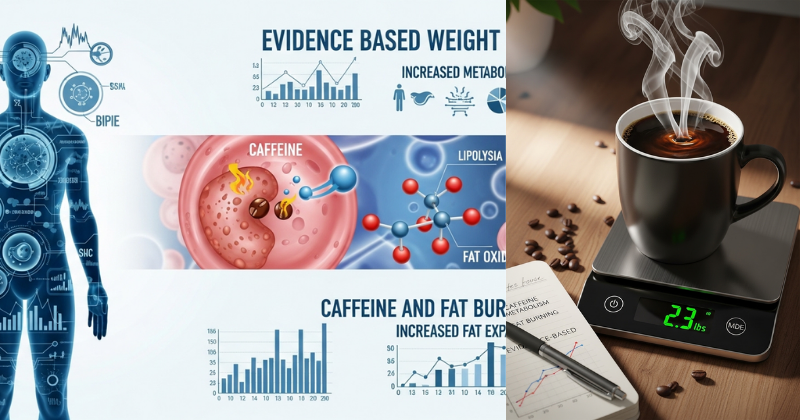
The relationship between tea consumption and abdominal adiposity reduction represents a compelling intersection of phytochemistry, metabolic physiology, and nutritional science. While no beverage can selectively target visceral fat through isolated consumption, certain tea varieties contain bioactive compounds—catechins, polyphenols, and methylxanthines—that demonstrate measurable effects on energy expenditure, lipid oxidation, and metabolic rate. This evidence-based examination explores the mechanisms through which specific teas may support fat metabolism as part of a comprehensive approach to body composition management, distinguishing between scientifically substantiated effects and marketing hyperbole.

The Physiological Mechanisms Behind Tea’s Metabolic Effects
Understanding how tea compounds interact with human metabolism requires examining the cellular and systemic processes that govern energy balance and fat oxidation. The notion that certain beverages can “burn” fat necessitates clarification of the underlying biochemistry.
Thermogenesis and Energy Expenditure
Thermogenesis—the process by which the body generates heat through metabolic activity—represents one pathway through which tea consumption may influence caloric balance. Certain tea polyphenols, particularly epigallocatechin gallate (EGCG) found abundantly in green tea, have been shown to inhibit catechol-O-methyltransferase (COMT), an enzyme responsible for degrading norepinephrine. By prolonging norepinephrine activity, these compounds theoretically extend the duration of thermogenic signaling in adipose tissue. Research published in the American Journal of Clinical Nutrition indicates that green tea extract can increase energy expenditure by approximately 4-5% over 24 hours, translating to roughly 80-100 additional calories metabolized daily under controlled conditions.
The synergistic interaction between caffeine and catechins amplifies this effect. Caffeine independently stimulates the central nervous system and increases lipolysis—the breakdown of triglycerides into free fatty acids. When combined with EGCG, the thermogenic response exceeds what either compound produces in isolation, suggesting a complementary mechanism of action.
Lipid Oxidation and Fat Metabolism
Beyond thermogenesis, tea compounds influence the preferential utilization of fat as an energy substrate. Studies utilizing respiratory quotient measurements—which indicate the ratio of carbohydrates to fats being oxidized—demonstrate that green tea consumption can shift metabolism toward greater fat oxidation during both rest and moderate-intensity exercise. This effect appears mediated through enhanced activity of hormone-sensitive lipase and increased mitochondrial fatty acid uptake, though the magnitude of these effects varies considerably among individuals based on genetic polymorphisms affecting COMT enzyme activity.
Adipogenesis Inhibition and Insulin Sensitivity
Emerging research suggests certain tea polyphenols may influence adipocyte differentiation and proliferation. In vitro studies show that EGCG can downregulate genes involved in adipogenesis, potentially limiting the formation of new fat cells. Additionally, improved insulin sensitivity associated with regular tea consumption may reduce the hormonal milieu that promotes abdominal fat accumulation, particularly the visceral adipose tissue associated with metabolic syndrome.
Green Tea: The Most Extensively Researched Metabolic Catalyst
Green tea (Camellia sinensis) stands as the most rigorously studied beverage in relation to metabolic effects and body composition, with decades of research examining its bioactive constituents and physiological impacts.
Catechin Profile and Bioavailability
Green tea’s metabolic properties derive primarily from its catechin content, with EGCG comprising 50-80% of total catechins depending on cultivar, processing methods, and brewing parameters. A typical cup of properly brewed green tea contains 50-100 mg of EGCG, though this varies substantially. Japanese green teas, particularly sencha and matcha, typically exhibit higher catechin concentrations than Chinese varieties due to different cultivation and processing techniques.
Bioavailability presents a critical consideration. EGCG absorption in the small intestine is relatively poor, with only 0.1-0.3% appearing in plasma after oral consumption. However, catechin metabolites and their interaction with gut microbiota may contribute to systemic effects beyond what plasma concentrations suggest. Consuming green tea with vitamin C-rich foods or adding lemon juice enhances catechin stability and absorption through pH modulation.
Clinical Evidence and Effect Sizes
Meta-analyses examining green tea’s impact on body weight and composition reveal modest but statistically significant effects. A 2012 Cochrane review analyzing 14 randomized controlled trials found that green tea preparations resulted in mean weight loss of 0.2-3.5 kg over 12 weeks compared to controls. Importantly, effects were more pronounced in populations habitually consuming low caffeine amounts, suggesting tolerance development may attenuate benefits in regular caffeine consumers.
The magnitude of fat loss attributable specifically to green tea consumption, when isolated from dietary and exercise variables, appears modest—approximately 1-2% of body fat over several months. However, this represents a meaningful contribution when integrated into comprehensive lifestyle modifications, particularly given green tea’s safety profile and additional health benefits including cardiovascular and neuroprotective effects.
Optimal Consumption Parameters
Research suggests 3-5 cups of green tea daily, providing 240-320 mg catechins, represents the threshold for observable metabolic effects. Brewing temperature and time significantly influence catechin extraction: water at 80-85°C (176-185°F) steeped for 3-5 minutes optimizes catechin yield while minimizing bitter compounds. Matcha, being a suspension of whole ground tea leaves, provides higher catechin concentrations per serving and eliminates extraction variability.
Oolong Tea: The Semi-Oxidized Metabolic Enhancer
Oolong tea occupies an intermediate position between green and black tea in both oxidation level and chemical composition, exhibiting unique polyphenol profiles that may offer distinct metabolic advantages.
Theaflavins and Thearubigins: Oxidation Products with Activity
The partial oxidation process that characterizes oolong production generates theaflavins and thearubigins—polymeric polyphenols formed through enzymatic oxidation of catechins. While these compounds differ structurally from the catechins in green tea, they demonstrate their own bioactive properties. Research indicates these oxidized polyphenols may enhance lipid metabolism through different mechanisms than green tea catechins, potentially offering complementary benefits.
Research on Oolong-Specific Effects
A study published in the Journal of Nutrition found that oolong tea consumption increased energy expenditure by 2.9% (approximately 67 calories daily) in healthy men, comparable to green tea’s effects despite its lower catechin content. This suggests the unique polyphenol profile in oolong may compensate for reduced catechin concentration. Additionally, oolong tea has demonstrated particular efficacy in reducing visceral adipose tissue in some studies, though the mechanisms underlying this specificity remain under investigation.
The optimal oxidation level for metabolic benefits appears to fall in the 30-60% range, characteristic of traditional Formosan oolongs like Dong Ding and Tie Guan Yin. These medium-oxidation oolongs retain substantial catechin content while developing the theaflavins associated with more oxidized teas.
White Tea: The Minimally Processed Adipogenesis Inhibitor
White tea, produced from young buds and leaves subjected to minimal processing, presents an intriguing profile distinct from its more oxidized counterparts.
High Catechin Content with Reduced Caffeine
White tea’s minimal processing preserves high catechin concentrations, sometimes exceeding green tea depending on the specific cultivar and harvest timing. However, white tea typically contains 30-55% less caffeine than green tea, which may reduce the synergistic thermogenic effect of the catechin-caffeine combination. For individuals sensitive to caffeine or consuming tea in the evening, white tea offers metabolic benefits without stimulant-related side effects.
Adipocyte Research and Lipolysis
In vitro research has demonstrated that white tea extract can simultaneously inhibit adipogenesis (fat cell formation) and stimulate lipolysis (fat breakdown) in cultured adipocytes. A study published in Nutrition and Metabolism found that white tea extract reduced expression of genes associated with new fat cell formation while increasing expression of genes involved in fat metabolism. While translating these cell culture findings to human physiology requires caution, they suggest mechanisms worthy of clinical investigation.
Pu-erh Tea: The Fermented Variety with Gut Microbiome Interactions
Pu-erh tea, subjected to microbial fermentation during production or storage, represents a fundamentally different category with unique chemical composition and potential metabolic effects.
Microbial Metabolites and Novel Compounds
The fermentation process generates unique compounds not present in unfermented teas, including specific theabrownins and microbially-derived metabolites. Research indicates these fermentation products may influence lipid metabolism through mechanisms distinct from catechin-mediated pathways. Studies in animal models show pu-erh consumption reduces hepatic lipid accumulation and improves lipid profiles, though human studies remain limited.
Gut Microbiome Modulation
Emerging evidence suggests pu-erh tea may influence body composition partially through modulation of gut microbiota composition. The tea’s complex polyphenols serve as prebiotics, promoting growth of beneficial bacterial species associated with improved metabolic health. Changes in the Firmicutes-to-Bacteroidetes ratio—a marker associated with obesity—have been observed in pu-erh consumers, suggesting this tea may influence energy harvest from food through microbial mechanisms.
Rooibos and Herbal Alternatives: Caffeine-Free Options with Limited Evidence
While true teas (from Camellia sinensis) dominate the research literature, certain herbal infusions are marketed for metabolic benefits, warranting examination of their evidence base.
Rooibos: Aspalathin and Adipogenesis
Rooibos (Aspalathus linearis), a South African herbal tea, contains the unique flavonoid aspalathin, which demonstrates adipogenesis-inhibiting properties in laboratory studies. However, human clinical trials examining rooibos’s effects on body composition remain scarce, and the bioavailability of aspalathin requires further investigation. Rooibos offers a caffeine-free alternative with antioxidant properties, but claims regarding fat-burning effects currently lack robust clinical support.
Yerba Mate: Caffeine-Rich Stimulation
Yerba mate contains caffeine, theobromine, and chlorogenic acids—a combination that theoretically supports thermogenesis and fat oxidation. Some studies indicate yerba mate may enhance satiety and energy expenditure, though effect sizes appear modest and highly variable. The relatively high caffeine content (approximately 85 mg per cup) accounts for much of its thermogenic effect.
Maximizing Tea’s Metabolic Benefits: Integration and Optimization Strategies
To optimize tea’s contribution to metabolic health and body composition management requires understanding contextual factors and implementation strategies that extend beyond simple consumption.
Timing and Frequency Considerations
Distributing tea consumption throughout the day maintains relatively stable plasma polyphenol concentrations and provides repeated thermogenic stimulation. Consuming tea 30-60 minutes before exercise may enhance fat oxidation during physical activity, as some research suggests pre-exercise green tea consumption increases the proportion of energy derived from fat. However, avoid tea consumption immediately before bedtime if it contains significant caffeine, as sleep disruption negatively impacts metabolic health.
Synergistic Lifestyle Factors
Tea’s metabolic effects manifest most meaningfully when integrated with caloric restriction and regular physical activity. The 80-100 additional calories metabolized daily through tea consumption represents roughly 1% of total daily energy expenditure—meaningful in aggregate over months, but insufficient to overcome caloric surplus. View tea as a metabolic optimizer rather than a standalone intervention.
Exercise particularly synergizes with tea consumption. The catechins’ effects on fat oxidation appear enhanced during moderate-intensity aerobic activity, suggesting strategic timing around workouts may maximize benefits. Additionally, the insulin-sensitizing effects of both tea polyphenols and exercise complement each other, potentially offering enhanced metabolic improvements.
Avoiding Counterproductive Additions
Many tea beverages marketed for weight loss contain added sugars, artificial sweeteners, or excessive amounts of milk, which can counteract potential benefits. Each teaspoon of sugar adds 16 calories—negating the modest thermogenic advantage tea provides. If sweetening is necessary, consider small amounts of stevia or consume tea unsweetened to develop taste preference over time.
Understanding Limitations and Realistic Expectations
Scientific literacy requires acknowledging the boundaries of current evidence and avoiding extrapolation beyond what data support regarding tea’s metabolic effects.
Individual Variability and Genetic Factors
Response to tea’s bioactive compounds varies substantially among individuals due to genetic polymorphisms affecting enzyme activity, polyphenol absorption, and metabolic pathways. The COMT Val158Met polymorphism, for instance, influences how effectively individuals metabolize catechins and may determine who experiences greater benefits from green tea consumption. This genetic variability helps explain why meta-analyses show averaged modest effects—some individuals respond robustly while others show minimal changes.
The Absence of Spot Reduction
No dietary intervention, including tea consumption, can selectively target abdominal fat loss. Fat loss occurs systemically based on individual patterns of fat distribution, hormone profiles, and genetic factors. While some research suggests certain interventions may preferentially reduce visceral adipose tissue, this represents relative differences in fat loss patterns rather than exclusive targeting. The phrase “burn belly fat” should be understood as shorthand for “support overall fat loss that includes abdominal adiposity” rather than implying localized effects.
Quality and Preparation Variables
Commercial tea products vary enormously in polyphenol content based on growing conditions, processing methods, storage duration, and preparation techniques. Studies using standardized extracts demonstrate effects that may not translate directly to commercially available tea bags or leaves. Third-party testing for polyphenol content, when available, provides more reliable indication of a product’s potential efficacy than marketing claims.
Integrating Tea into Evidence-Based Fat Loss Protocols
Achieving sustainable fat loss, particularly reduction of abdominal adiposity, requires comprehensive lifestyle modification rather than reliance on single interventions, with tea serving as one component within a multifaceted approach.
The most robust evidence supports the following integrated strategy: establish a moderate caloric deficit through combination of dietary modification and increased physical activity, consume 3-5 cups of high-quality green or oolong tea daily, engage in both resistance training and aerobic exercise, prioritize sleep quality and stress management, and maintain consistency over months rather than weeks. Within this framework, tea’s contribution to thermogenesis, fat oxidation, and metabolic health represents a valuable but not transformative element.
Research continues to elucidate the complex interactions between tea polyphenols, gut microbiota, metabolic pathways, and body composition. As our understanding deepens, more targeted recommendations may emerge regarding optimal tea varieties, dosing strategies, and individual characteristics predicting response. For now, regular consumption of high-quality, minimally processed teas from Camellia sinensis offers modest metabolic support alongside substantial evidence for cardiovascular, cognitive, and overall health benefits that extend far beyond body composition considerations.
Important Disclaimer: This article is for informational purposes only and should not replace professional advice. For health-related topics, consult healthcare providers. For financial or legal matters, seek qualified professional guidance. For safety procedures, verify current best practices and local regulations. Individual results may vary, and personal circumstances should always be considered when implementing any suggestions.