Cancer does not begin overnight. It develops silently, shaped by inflammation, oxidative stress, metabolic imbalance, and cellular miscommunication. While no food can cure cancer, mounting scientific evidence shows that certain dietary compounds influence the biological pathways involved in tumor growth. Understanding how to fuel your fight through nutrition is not about extreme diets or miracle claims. It is about leveraging evidence-based foods that support the body’s natural defense systems at the molecular level.
This guide explores the science behind tumor biology and reveals the top foods that inhibit tumor growth through anti-inflammatory, antioxidant, epigenetic, and immune-modulating mechanisms.
The Biological Foundation: Understanding How Tumors Grow
Before identifying the foods that inhibit tumor growth, it is essential to understand what drives tumor development.
Cancer emerges when cells escape normal regulatory controls. Mutations accumulate. Apoptosis fails. Angiogenesis supplies blood to abnormal tissues. Chronic inflammation sustains proliferation. The immune system becomes less efficient at detecting malignant transformation.
Key mechanisms include:
- Persistent oxidative stress damaging DNA
- Activation of pro-inflammatory transcription factors such as NF-κB
- Dysregulated insulin and growth factor signaling
- Impaired tumor suppressor pathways like p53
- Epigenetic alterations affecting gene expression
Nutrition interacts with all of these processes.
Food is not passive fuel. It is biochemical information.
The Anti-Inflammatory Blueprint: Calming the Fire That Feeds Tumors
Chronic inflammation creates an environment favorable to tumor initiation and progression. Elevated cytokines such as IL-6 and TNF-α stimulate proliferation and angiogenesis.
Certain foods actively reduce inflammatory signaling:
Fatty Fish (Salmon, Sardines, Mackerel)
Rich in omega-3 fatty acids (EPA and DHA), these lipids compete with pro-inflammatory omega-6 pathways and may reduce tumor-promoting inflammation.
Extra Virgin Olive Oil
Contains polyphenols such as oleocanthal, associated with anti-inflammatory activity.
Leafy Greens and Cruciferous Vegetables
Provide bioactive compounds that regulate inflammatory gene expression.
By consistently integrating these foods, the inflammatory terrain shifts toward balance.
The Cellular Defense System: Foods That Combat Oxidative Stress
Reactive oxygen species contribute to DNA mutations and genomic instability. While small amounts of ROS serve signaling roles, chronic excess drives carcinogenesis.
Top antioxidant-rich foods include:
Berries
Anthocyanins and ellagic acid demonstrate anti-proliferative activity in laboratory studies.
Green Tea
Epigallocatechin gallate (EGCG) has been studied for its effects on angiogenesis and cell cycle regulation.
Tomatoes
Lycopene, a carotenoid, has been associated with protective effects in prostate health research.
These compounds activate endogenous antioxidant pathways such as Nrf2, enhancing the body’s internal defense network.
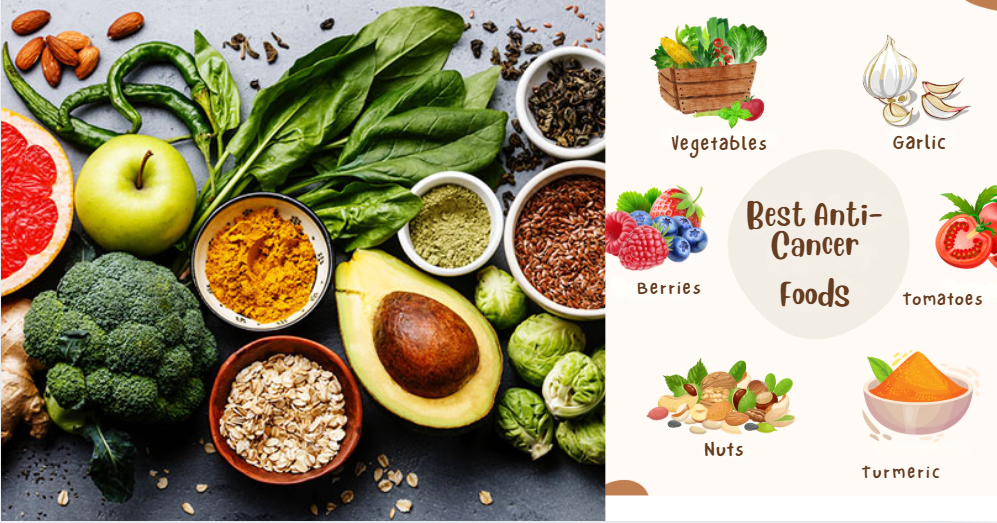
The Detoxification Pathway: Cruciferous Vegetables and Sulforaphane
Broccoli, kale, Brussels sprouts, and cauliflower contain glucosinolates, which convert into sulforaphane during digestion.
Sulforaphane has been shown to:
- Activate phase II detoxification enzymes
- Promote apoptosis in abnormal cells
- Modulate epigenetic markers
- Influence cancer stem cell behavior in preclinical models
This makes cruciferous vegetables central to any tumor-inhibiting nutritional strategy.
Preparation matters. Light steaming preserves bioactive compounds more effectively than prolonged boiling.
The Hormonal Regulation Strategy: Fiber and Insulin Control
Elevated insulin and insulin-like growth factors are associated with increased cancer risk due to their proliferative effects.
High-fiber foods help regulate these pathways:
Legumes
Lentils and chickpeas stabilize blood glucose and improve insulin sensitivity.
Whole Grains
Provide fermentable fibers that nourish gut microbiota.
Flaxseeds
Contain lignans that influence estrogen metabolism.
Fiber fermentation produces short-chain fatty acids such as butyrate, which supports colon health and may regulate abnormal cell growth.
The Epigenetic Advantage: How Phytochemicals Influence Gene Expression
Cancer is not only genetic. It is epigenetic.
Certain food-derived compounds influence DNA methylation and histone modification:
- Curcumin (turmeric) modulates inflammatory gene pathways.
- Resveratrol (grapes) influences cellular stress response mechanisms.
- Sulforaphane affects tumor suppressor gene activation.
These compounds do not rewrite DNA, but they can influence how genes are expressed.
This is where nutrition intersects with molecular biology in profound ways.
The Immune Support Framework: Strengthening Surveillance Mechanisms
The immune system constantly monitors and eliminates abnormal cells. Nutritional deficiencies can impair this surveillance.
Key immune-supportive nutrients include:
- Vitamin C from citrus and peppers
- Zinc from seeds and legumes
- Selenium from Brazil nuts
- Beta-glucans from mushrooms
Mushrooms such as shiitake and maitake contain compounds studied for their immune-modulating properties.
An effective tumor-inhibiting dietary approach supports immune competence rather than suppressing it.
The Synergy Principle: Why Dietary Patterns Matter More Than Single Foods
Research consistently shows that dietary patterns outperform isolated supplements.
The Mediterranean diet exemplifies a tumor-inhibiting framework:
- High in fruits and vegetables
- Rich in olive oil and fish
- Moderate in legumes and whole grains
- Low in ultra-processed foods
Synergy among polyphenols, fibers, healthy fats, and micronutrients amplifies protective mechanisms.
No single “superfood” works in isolation. Consistency and diversity are critical.
Advanced Strategy: Lifestyle Factors That Enhance Nutritional Impact
Even the best foods that inhibit tumor growth cannot compensate for chronic sleep deprivation, sedentary behavior, or excessive stress.
Supporting factors include:
- Regular physical activity to improve insulin sensitivity
- Adequate sleep to regulate hormonal balance
- Stress management to reduce inflammatory load
- Maintaining healthy body composition
Nutrition functions optimally within a balanced physiological system.
Conclusion: Fueling the Fight with Evidence-Based Precision
Fuel Your Fight is not a slogan. It is a scientific principle.
Tumor biology is influenced by oxidative stress, inflammation, hormonal signaling, immune regulation, and epigenetic expression. Certain foods—cruciferous vegetables, berries, fatty fish, legumes, green tea, turmeric, and olive oil—contain compounds that interact with these pathways.
While diet alone cannot cure cancer, evidence-based nutritional strategies may help create an internal environment less conducive to tumor progression.
The fight begins daily, at the cellular level, with every meal.