
Understand how Vitamin D deficiency impacts your health and nutrition for whole-body wellness. Discover simple ways to boost your levels and feel your best today.
Do you ever feel like you’re running on empty, even after a full night’s sleep? Perhaps your mood feels a bit under the clouds, or your joints have a nagging ache that won’t go away. You aren’t alone, and the solution might be simpler than you think. Many people are surprised to learn that a hidden Vitamin D deficiency could be the silent culprit behind these everyday hurdles. In this guide, we are going to unlock the secrets of the “sunshine vitamin” and show you how prioritizing this single nutrient can transform your energy, immunity, and overall vitality.
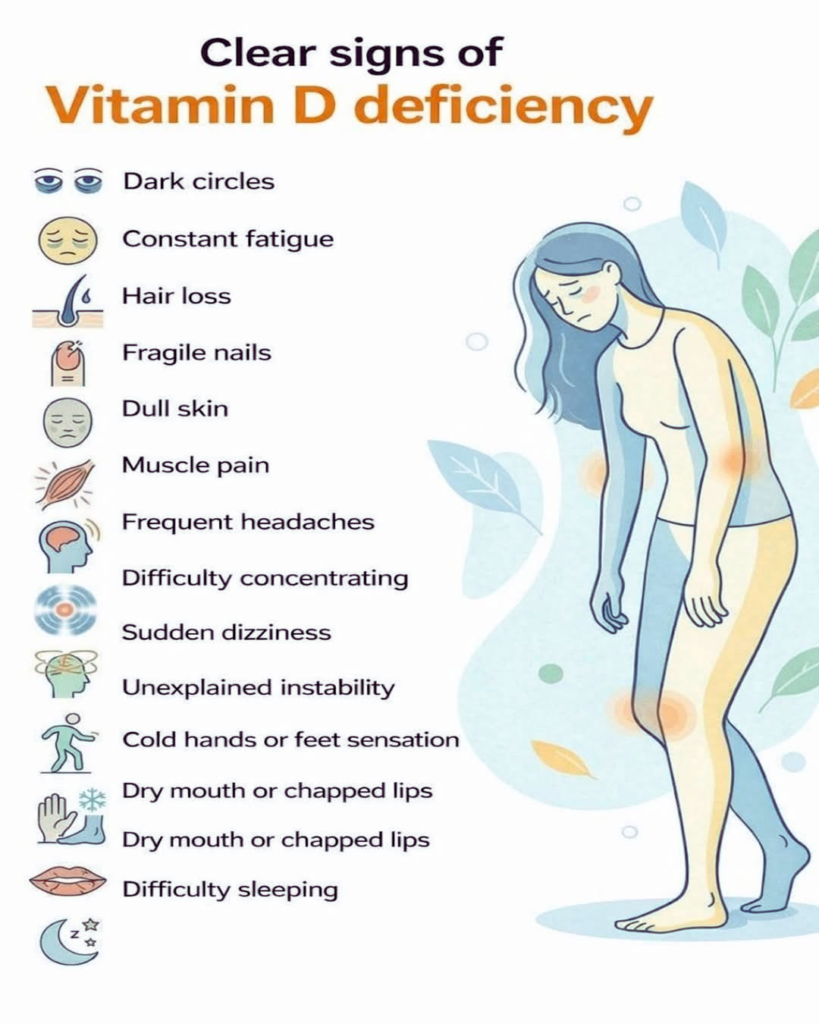
Understanding the Foundation of Vitamin D and Your Health
Vitamin D is unique because it functions more like a hormone than a traditional vitamin. Your body has the incredible ability to produce it naturally when your skin is exposed to sunlight. However, in our modern world of indoor offices and sun protection, many of us are missing out on this vital connection. Building a foundation of wellness starts with recognizing that Vitamin D deficiency isn’t just about bone health—it’s a key player in how your heart, brain, and immune system function every single day.
What is Vitamin D exactly?
Commonly referred to as Vitamin D3 (cholecalciferol) or D2 (ergocalciferol), this fat-soluble nutrient is essential for calcium absorption. Without enough of it, your body cannot effectively use the calcium from your diet, which can lead to weakened bones over time. Beyond the skeleton, Vitamin D receptors are found in almost every cell in your body, meaning its presence (or absence) ripples through your entire system.
Why is deficiency so common today?
You might wonder why so many people struggle with low levels. Several factors come into play:
- Geographic Location: If you live far from the equator, the sun’s rays aren’t strong enough in winter for your skin to produce Vitamin D.
- Lifestyle: Spending more time indoors means less natural synthesis.
- Skin Tone: Higher levels of melanin act as a natural sunblock, requiring more time in the sun to produce the same amount of Vitamin D as those with lighter skin.
Step-by-Step Methods to Improve Your Vitamin D Levels
Reversing a Vitamin D deficiency is an achievable journey that you can start right now! By taking a multi-pronged approach involving sunshine, nutrition, and smart supplementation, you can restore your levels and start feeling the difference in your daily energy.
Step 1: Safe Sun Exposure
The most natural way to boost your levels is through sunlight. Aim for 10–20 minutes of midday sun on your arms and legs a few times a week. Remember, you don’t need to burn to reap the benefits! Short, consistent bursts are better for your skin health than long, infrequent sessions.
Step 2: Focus on Nutritional Sources
While it’s hard to get all your Vitamin D from food alone, incorporating D-rich foods into your diet is a fantastic supportive habit. Look for:
- Fatty Fish: Salmon, mackerel, and sardines are powerhouses.
- Egg Yolks: A simple and versatile way to add a boost.
- Fortified Foods: Many milks, orange juices, and cereals are supplemented with Vitamin D to help you meet your goals.
Step 3: Consistent Supplementation
For many, a daily supplement is the most reliable way to maintain “whole-body wellness.” Most health experts suggest starting with a baseline of 600 to 2,000 IU daily, depending on your current levels. Choosing a D3 supplement is often recommended over D2, as D3 is more effective at raising blood levels of the vitamin.
Pro Tips for Maximizing Vitamin D Absorption
Once you’ve started your routine, you can use these expert-level strategies to ensure your body is actually using the Vitamin D you provide. Optimization is the secret to moving from “surviving” to “thriving.”
The Power of Healthy Fats
Because Vitamin D is fat-soluble, it needs fat to be absorbed into your bloodstream. If you take your supplement on an empty stomach with just a glass of water, you might be missing out! Try taking it with your largest meal of the day, specifically one that includes healthy fats like avocado, olive oil, or nuts.
Don’t Forget Magnesium
Magnesium is the “unsung hero” of Vitamin D metabolism. The enzymes that process Vitamin D in the liver and kidneys require magnesium to function. If you are low on magnesium, your Vitamin D may remain stored and inactive. Including leafy greens, seeds, and beans in your diet ensures that your Vitamin D is “unlocked” and ready to work for you.
Consider Vitamin K2
Many wellness enthusiasts now pair Vitamin D with Vitamin K2. While Vitamin D ensures calcium is absorbed, Vitamin K2 acts as the “traffic cop,” directing that calcium into your bones and teeth and keeping it out of your arteries. This duo is a gold standard for cardiovascular and bone health.
Troubleshooting Common Challenges and Obstacles
It’s normal to hit a few bumps on the road to wellness. If you’ve been taking supplements but don’t see your levels rising, or if you’re feeling discouraged by slow progress, don’t worry! There are usually simple explanations and solutions.
Why aren’t my levels moving?
If a blood test shows your levels are still low despite effort, consider these factors:
- Gut Health: Conditions like Celiac disease or Crohn’s can interfere with nutrient absorption.
- Weight: Since Vitamin D is stored in fat cells, individuals with a higher body mass index (BMI) may require larger doses to achieve the same blood concentration as those with a lower BMI.
- Consistency: Like any lifestyle change, Vitamin D needs regular “deposits” to build up a healthy “balance” in your body.
Dealing with “The Winter Blues”
During the darker months, it’s common for mood and energy to dip. This is often a direct result of seasonal Vitamin D deficiency. If you find yourself struggling, don’t just wait for spring! Increasing your supplement dosage (under professional guidance) or using a light therapy box can help bridge the gap until the sun returns.
Next-Level Strategies for Long-Term Wellness
Achieving optimal Vitamin D levels is just the beginning. By integrating this into a broader lifestyle of “whole-body wellness,” you create a sustainable foundation for aging gracefully and staying active.
Regular Monitoring
Knowledge is power! Ask your doctor for a 25-hydroxy vitamin D test during your annual check-up. Ideally, you want your levels to be between 30 and 50 ng/mL. Having a baseline allows you to adjust your sunshine and supplement intake perfectly to your body’s unique needs.
Complementary Wellness Habits
Vitamin D works best when supported by other healthy habits. Combine your new routine with:
- Resistance Training: This works with Vitamin D to strengthen bone density.
- Anti-Inflammatory Diet: Reducing processed sugars helps your immune system utilize the “boost” Vitamin D provides.
- Sleep Hygiene: Vitamin D is linked to the production of melatonin, so staying “D-sufficient” can actually help you sleep better at night!
Conclusion: Empower Your Health Today
Addressing a Vitamin D deficiency is one of the most rewarding steps you can take for your long-term health. By embracing the simple power of the sun, choosing nutrient-dense foods, and utilizing smart supplementation, you are unlocking a new level of whole-body wellness. Remember, your body is designed to thrive, and giving it the right fuel is the key to that transformation.
You have the capability to take charge of your energy and vitality starting today. Whether it’s a 10-minute walk in the sun or adding a supplement to your breakfast routine, every small action counts toward a vibrant, healthier you.
Important Disclaimer: This article is for informational purposes only and should not replace professional advice. For health-related topics, consult healthcare providers. For financial or legal matters, seek qualified professional guidance. For safety procedures, verify current best practices and local regulations. Individual results may vary, and personal circumstances should always be considered when implementing any suggestions.