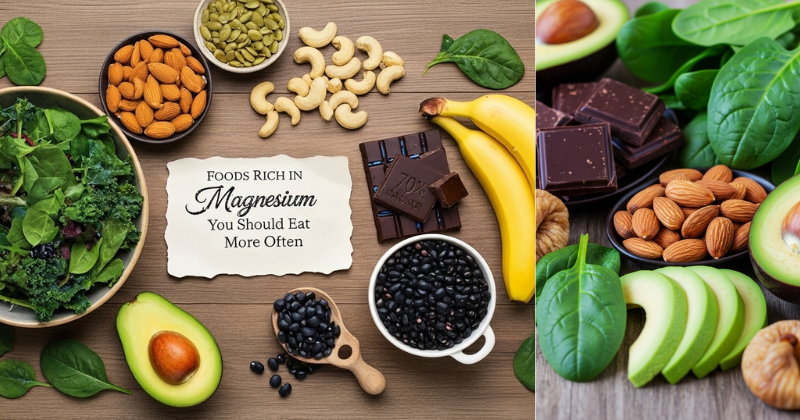
Discover the best foods rich in magnesium you should eat more often to boost your energy, improve sleep, and support your heart health naturally and easily.
Have you ever felt a bit sluggish, noticed your muscles twitching after a workout, or struggled to get a restful night’s sleep? You might be surprised to learn that these common frustrations are often linked to a single, hardworking mineral. Magnesium is responsible for over 300 biochemical reactions in your body, yet many of us aren’t getting quite enough of it. The good news is that you can transform your vitality and unlock better health simply by making delicious changes to your plate. In this guide, we’ll explore the most powerful foods rich in magnesium you should eat more often to help you feel your absolute best.
The Foundation: Why Magnesium Matters for Your Body
Before we dive into the grocery list, let’s build your confidence by understanding why this mineral is a total game-changer. Think of magnesium as the “master spark plug” of your cells. It helps convert food into energy, creates new proteins from amino acids, and even helps repair DNA and RNA. Without it, our bodies struggle to maintain a steady heartbeat or keep our nervous system calm.
What does magnesium actually do?
Magnesium is a vital electrolyte. It works alongside calcium and potassium to ensure your muscles contract and relax properly. This is why people who focus on magnesium-rich diets often report fewer cramps and better physical performance. Furthermore, it plays a massive role in brain function and mood regulation. If you’ve been feeling a bit “wired but tired,” magnesium might be the missing piece of your wellness puzzle.
Why is deficiency so common?
Modern agricultural practices and a diet high in processed foods have made it harder to get enough magnesium naturally. Many “convenience” foods are stripped of their mineral content during refining. By choosing whole, vibrant foods rich in magnesium you should eat more often, you are actively choosing to replenish your body’s stores and protect your long-term health.
Step-by-Step: How to Build a Magnesium-Rich Menu
Ready to start your journey to better health? It doesn’t have to be overwhelming. You can achieve amazing results by simply swapping out a few low-nutrient items for these powerhouse options. Here is a clear, actionable way to integrate these foods into your daily life.
1. Go Green with Leafy Vegetables
Dark leafy greens are the ultimate source of magnesium. Why? Magnesium is at the center of the chlorophyll molecule—the stuff that makes plants green!
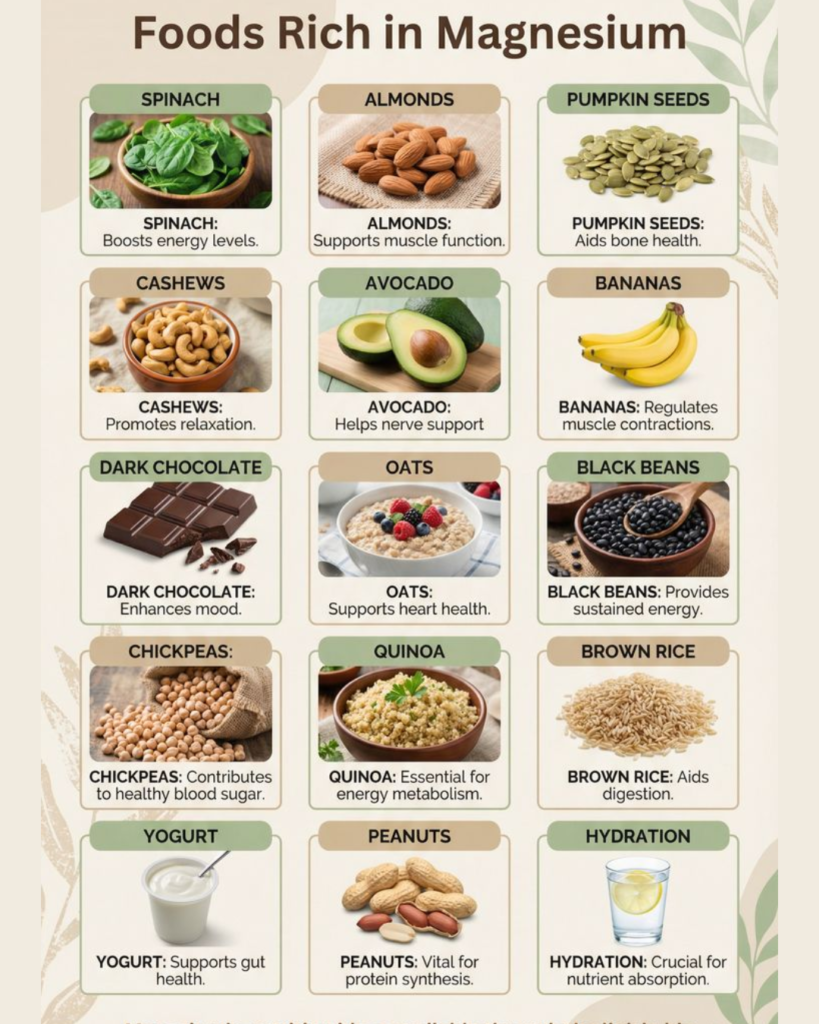
- Spinach: One cup of cooked spinach provides nearly 40% of your daily needs.
- Swiss Chard: A colorful and delicious way to add minerals to your sautéed dishes.
- Kale: Perfect for smoothies or as a crunchy base for salads.
2. Go Nuts for Seeds and Legumes
Nuts and seeds are the “emergency kits” of the plant world, packed with everything a plant needs to grow, including tons of minerals.
- Pumpkin Seeds: Just a small handful (one ounce) contains about 150mg of magnesium.
- Almonds and Cashews: These make for an easy, portable snack that supports heart health.
- Black Beans and Lentils: These are budget-friendly staples that pack a massive magnesium punch while providing fiber.
3. Don’t Forget the “Treats”
Believe it or not, health can be delicious.
- Dark Chocolate: Aim for 70% cocoa or higher. Not only is it a great source of magnesium, but it’s also loaded with antioxidants.
- Avocados: One medium avocado provides about 15% of your daily requirement and offers healthy fats that help your body absorb other nutrients.
Pro Tips: Advanced Strategies for Mineral Optimization
If you want to reach expert-level wellness, it’s not just about what you eat, but how you eat it. You can customize your approach to ensure your body is absorbing every bit of goodness from the foods rich in magnesium you should eat more often.
The Synergy of Absorption
Magnesium doesn’t work alone. To maximize your results, try to consume your magnesium-rich foods with a source of Vitamin D. Vitamin D helps your intestines absorb magnesium more efficiently. For example, a salmon salad (Vitamin D) with spinach and pumpkin seeds (Magnesium) is a “power couple” for your cells.
Soak Your Grains and Legumes
Grains and beans contain something called phytic acid, which can sometimes “bind” to minerals and make them harder to absorb. If you have the time, soaking your beans or brown rice overnight before cooking can reduce phytic acid. This simple “pro tip” unlocks the minerals, making them more bioavailable for your body to use.
Experiment with Variety
Don’t get stuck in a food rut! While spinach is great, your body loves diversity. Try swapping your usual morning toast for a buckwheat porridge or adding hemp seeds to your yogurt. Experimenting with different textures and flavors ensures you get a wide spectrum of micronutrients alongside your magnesium.
Troubleshooting Common Challenges
Starting a new nutrition plan can sometimes come with questions. Let’s address some common obstacles so you can stay motivated and successful on your path to wellness.
“I’m eating the foods but still feel tired”
Change takes time! It can take several weeks for your body to replenish its magnesium stores if you have been low for a long time. Stick with it and focus on consistency. Also, keep an eye on your caffeine and alcohol intake; both of these act as diuretics and can cause your body to “flush out” magnesium faster than you’d like.
“I have a sensitive stomach”
If you aren’t used to a high-fiber diet, suddenly eating lots of beans and greens might cause some bloating. The solution is simple: start slow. Add one magnesium-rich food to one meal a day for a week, then gradually increase. This gives your gut microbiome time to adapt to the healthy fiber.
Alternative Approaches to Boosting Levels
If you find it difficult to eat enough of these foods, you can also consider:
- Epsom Salt Baths: Your skin can absorb small amounts of magnesium while you relax in a warm tub.
- Mineral Water: Some natural spring waters are surprisingly high in magnesium. Check the labels!
Next-Level Tips: Maximizing Your Results Long-Term
To achieve a true transformation, you want to look at the “big picture” of your lifestyle. Here is how to build upon your basic success and ensure you stay mineral-sufficient for years to come.
Manage Your Stress Levels
Stress is a notorious “magnesium burner.” When you are under pressure, your body uses magnesium at a much higher rate to manage the stress response. By combining your magnesium-rich diet with mindfulness, deep breathing, or yoga, you help your body hold onto the minerals you’re working so hard to eat.
Mind Your Soil
If you have a garden, consider the health of your soil! Growing your own vegetables with mineral-rich compost can result in produce that is significantly higher in magnesium than store-bought versions. This connection to the earth is a beautiful way to enhance your nutrition.
Complementary Strategies
Consider linking your magnesium intake to other wellness goals:
- Hydration: Always drink plenty of water to help transport minerals to your cells.
- Internal Linking: You might also be interested in learning about Vitamin D Deficiency or the Benefits of Probiotics, as these topics often go hand-in-hand with mineral health.
- Sleep Hygiene: Take your magnesium-rich snack (like a small bowl of almonds) about an hour before bed to support the production of GABA, a neurotransmitter that promotes sleep.
Conclusion: You Have the Power to Transform Your Health
Embracing a diet filled with foods rich in magnesium you should eat more often is one of the most empowering choices you can make for your body. From the deep greens of spinach to the satisfying crunch of pumpkin seeds and the dark sweetness of cacao, these foods are not just fuel—they are information for your cells.
You have the capability to unlock higher energy levels, calmer moods, and a stronger heart. Start today by picking just two foods from this list to add to your grocery cart. You’ll be amazed at how such small, delicious changes can lead to a lifetime of whole-body wellness. Your journey to a more vibrant life starts with your very next bite!
Important Disclaimer: This article is for informational purposes only and should not replace professional advice. For health-related topics, consult healthcare providers. For financial or legal matters, seek qualified professional guidance. For safety procedures, verify current best practices and local regulations. Individual results may vary, and personal circumstances should always be considered when implementing any suggestions.