Meta Description: Discover the science-backed health benefits of honey as a natural therapeutic agent, from boosting immunity to soothing digestion and supporting wellness.
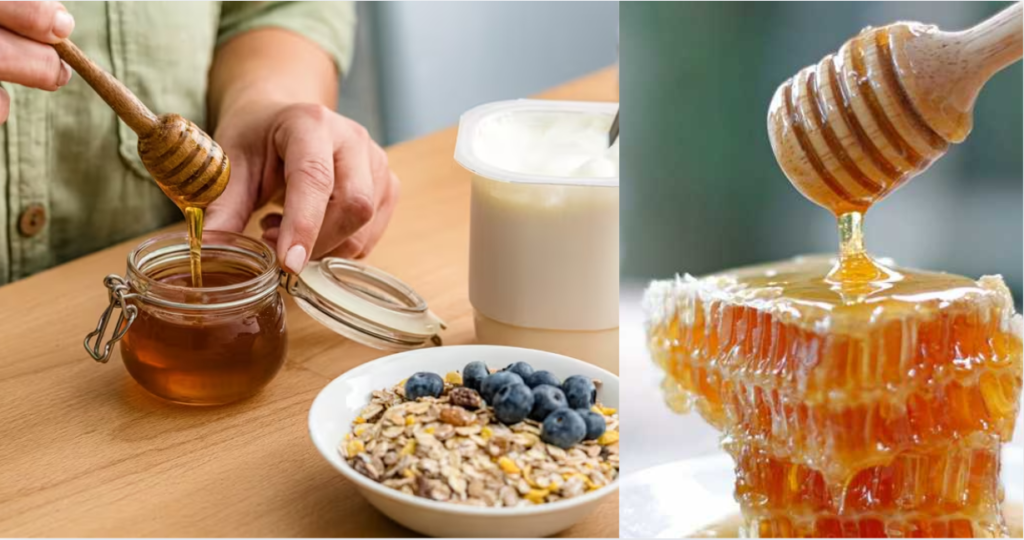
Honey has been celebrated for centuries not just as a sweet treat, but as a potent natural remedy with remarkable health benefits. Its unique blend of antioxidants, vitamins, minerals, and bioactive compounds makes it a versatile therapeutic agent, supporting everything from immune function to digestive health. Whether you drizzle it on your morning oatmeal, sip it in warm water, or apply it topically, honey offers natural ways to enhance well-being and support overall health.
In this article, you’ll explore the science behind honey’s therapeutic effects, learn practical ways to incorporate it into your daily routine, and discover tips to maximize its health-promoting potential. By understanding how honey works in your body, you can unlock its full benefits safely and effectively, transforming this simple natural ingredient into a powerful ally for your wellness journey.
Section 1: Foundation/Getting Started
To appreciate honey’s therapeutic power, it’s important to understand what makes it more than just a sweetener.
H3: Composition and Nutritional Profile
Honey is primarily composed of natural sugars like fructose and glucose, but its true magic lies in:
- Vitamins and Minerals: Including B-complex vitamins, vitamin C, calcium, and potassium.
- Antioxidants: Phenolic compounds and flavonoids that combat oxidative stress.
- Enzymes: Natural enzymes aid digestion and enhance bioavailability of nutrients.
H3: Why Raw Honey Matters
Raw honey retains most of its bioactive compounds, unlike highly processed commercial honey. Choosing raw, unfiltered honey ensures maximum health benefits.
H3: Safety Considerations
- For Adults: Honey is generally safe, but should be consumed in moderation due to natural sugars.
- For Children: Avoid giving honey to children under one year due to the risk of botulism.
- Allergies: Individuals allergic to pollen or bee products should proceed with caution.
Section 2: Step-by-Step Process/Core Methods
Incorporating honey into your routine for therapeutic benefits can be simple and enjoyable.
H3: Boosting Immunity
Honey’s antimicrobial properties make it a natural immune booster:
- Mix a teaspoon of honey in warm water or herbal tea daily.
- Combine with lemon and ginger to enhance antibacterial effects.
- Use consistently during cold and flu seasons to support immune resilience.
H3: Soothing Digestive Health
Honey can improve digestion and soothe gastrointestinal discomfort:
- Take a spoonful of honey with warm water to ease bloating or acid reflux.
- Combine with probiotics for enhanced gut health.
- Use in moderation as a prebiotic to nourish healthy gut bacteria.
H3: Topical Applications for Skin and Wounds
Honey’s natural antibacterial and anti-inflammatory properties make it excellent for skin care:
- Apply a thin layer of raw honey to minor cuts or burns to promote healing.
- Mix with oatmeal or yogurt for a soothing facial mask.
- Use as a gentle moisturizer for dry or irritated skin.
Section 3: Advanced Strategies/Pro Tips
For those seeking to maximize honey’s therapeutic impact, consider these advanced approaches.
H3: Combining Honey with Superfoods
- Mix honey with turmeric to leverage anti-inflammatory properties.
- Combine with cinnamon to support healthy blood sugar levels.
- Pair with nuts or seeds for a nutrient-dense snack that stabilizes energy.
H3: Timing and Dosage
- Consume honey in the morning to kickstart metabolism.
- Use before workouts for a natural energy boost.
- Limit daily intake to 1–2 tablespoons to balance health benefits with sugar content.
H3: Customizing Honey for Your Needs
Experiment with different types of honey (Manuka, clover, acacia) as each variety contains unique antioxidants and medicinal properties.
Section 4: Troubleshooting/Common Challenges
Even with its benefits, honey use can present challenges that are easy to manage.
H3: Managing Blood Sugar
- Solution: Pair honey with fiber-rich foods to reduce glycemic spikes.
- Monitor blood sugar response, especially for individuals with diabetes.
H3: Avoiding Overconsumption
- Solution: Incorporate honey in small amounts across meals rather than large quantities at once.
- Measure portions with a teaspoon to maintain moderation.
H3: Ensuring Authentic Honey
- Solution: Buy raw, certified honey from reputable sources.
- Avoid heavily processed, blended, or corn syrup-laden varieties.
Section 5: Maximizing Results/Next Level Tips
H3: Long-Term Wellness Integration
- Integrate honey as a daily health ritual in beverages, snacks, and meals.
- Rotate different honey varieties for diverse antioxidants and bioactive compounds.
H3: Complementary Lifestyle Practices
- Pair honey intake with a balanced diet rich in fruits, vegetables, and whole grains.
- Stay hydrated and maintain physical activity to enhance overall benefits.
H3: Monitoring and Adjusting
- Keep a wellness journal to track how honey affects digestion, energy, and immunity.
- Adjust dosage and timing based on personal health goals and body response.
Conclusion
Honey is a remarkable natural therapeutic agent, offering antioxidant, antibacterial, and digestive benefits that can support immunity, skin health, and overall wellness. By choosing raw honey, incorporating it thoughtfully into meals and beverages, and pairing it with complementary foods and lifestyle habits, you can unlock its full potential.
Start by adding small amounts to your daily routine, experiment with different varieties, and observe the positive effects on your health. With consistent use, honey can become a sweet, natural ally in your journey toward optimal wellness and vitality.
Important Disclaimer: This article is for informational purposes only and should not replace professional advice. For health-related topics, consult healthcare providers. Individual results may vary, and personal circumstances should always be considered when implementing any suggestions.