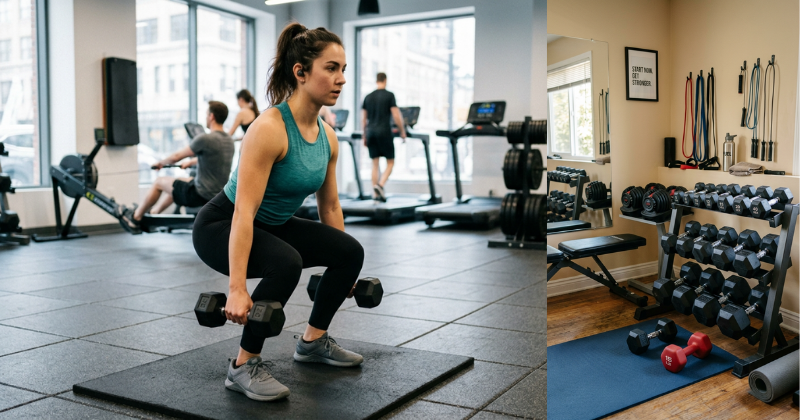
Discover the incredible benefits of doing squat exercises to transform your strength, mobility, and metabolism. Unlock a healthier, more powerful version of yourself today!
Have you ever wondered if there is one single exercise that could fundamentally change the way your body moves, looks, and feels? We often search for complex fitness routines, but the answer is usually simpler than we think. The benefits of doing squat workouts are so profound that this movement is often called the “king of all exercises.” From burning calories to strengthening your joints, squats are a functional powerhouse that translates directly into better daily living.
In this comprehensive guide, we will explore why squats are essential for everyone, regardless of age or fitness level. You will learn the correct techniques to protect your body and the advanced variations that keep progress exciting. Whether you want to tone your legs, improve your athletic performance, or simply make climbing stairs easier, mastering the squat is your first step toward total body transformation. Get ready to feel empowered as we break down the science and the strategy behind this legendary move. You have the capability to build a stronger foundation—starting right now!
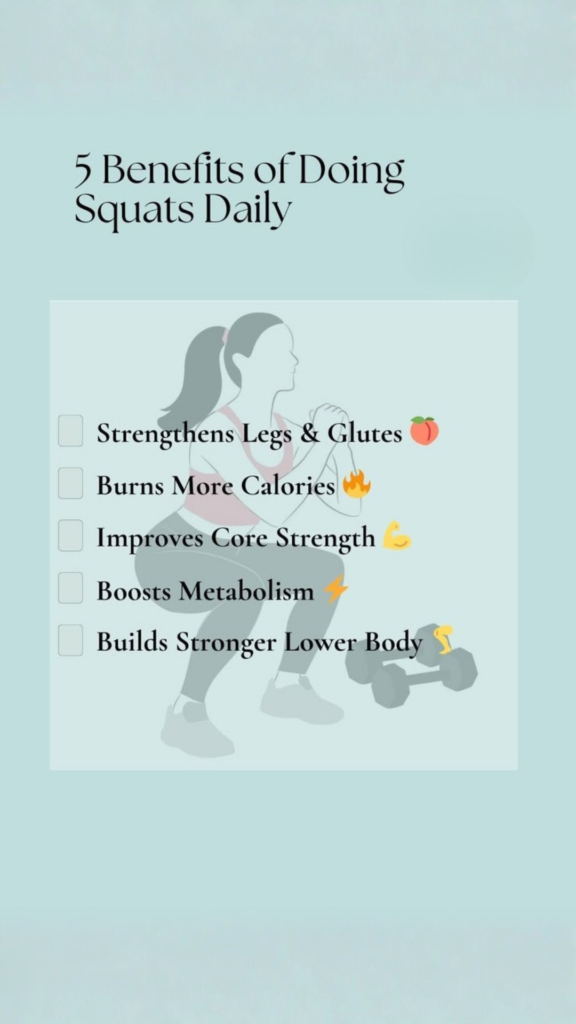
Foundation: Why Squats Are the Ultimate Movement
To build your confidence, it is important to understand that the squat is a “compound” movement. This means it engages multiple joints (hips, knees, and ankles) and various muscle groups simultaneously. When you explore the benefits of doing squat routines, you aren’t just working your legs; you are training your entire system to work in harmony.
The Muscle Groups Involved
While many people think squats are just for the glutes, they actually target a wide array of muscles. Your quadriceps and hamstrings do the heavy lifting, but your core, lower back, and even your upper body must engage to maintain balance. If you have been following our wellness journey, perhaps looking at [8 YOGA POSES TO STRENGTHEN YOUR CORE], you know that a stable center is the key to all physical power. Squats take that core strength and apply it to a high-intensity movement.
Addressing Common Hesitations
A common concern for beginners is the fear of “bad knees.” Reassurance comes from the fact that, when done correctly, squats actually strengthen the ligaments and connective tissues surrounding the joints, making them more resilient. By focusing on gradual progress and self-care, you can achieve a level of mobility you might have thought was lost. You don’t need a gym or heavy weights to start; your own body weight is a perfect starting point.
Key Components of a Healthy Squat
- Functional Mobility: Improving the range of motion in your hips and ankles.
- Bone Density: Weight-bearing exercises like squats stimulate bone growth.
- Metabolic Boost: Because squats use large muscles, they burn more calories than isolated moves.
Step-by-Step Process: Mastering the Perfect Form
Ready to get started? This core method breaks down the squat into manageable steps to ensure safety and effectiveness. Mastering the “air squat” (bodyweight only) is the prerequisite for any advanced training.
1. Setting Your Stance
How should I stand for a proper squat?
Start with your feet slightly wider than shoulder-width apart. Point your toes slightly outward (about 5 to 20 degrees). This stance allows your hips to sit deeply without putting undue stress on your lower back.
- Actionable Tip: Imagine your feet are like roots of a tree, “screwing” into the ground to create a stable base.
2. The Descent (The “Sit Back”)
Instead of bending your knees forward, imagine you are sitting back into an invisible chair. Keep your chest up and your gaze forward. This keeps your spine in a neutral, safe position.
- Expert Insight: Your weight should be distributed across your mid-foot and heels, not your toes.
3. Depth and Alignment
Go as low as your flexibility allows, ideally until your thighs are parallel to the floor. Ensure your knees are tracking over your toes, not caving inward. If you have explored [DETOXIFY YOUR BODY THROUGH YOUR FEET], you know how important foot alignment is for total body health; the same applies here!
4. The Ascent (The “Drive”)
Drive through your heels to return to the starting position. Squeeze your glutes at the top to complete the movement. This final squeeze is where the magic happens for muscle toning.
Advanced Strategies: Pro Tips for Next-Level Results
Once you have mastered the basics, you can share in expert-level insights to further customize your routine. The benefits of doing squat variations can help you target specific goals, like explosive power or extreme endurance.
Variations to Try
- Goblet Squats: Holding a weight at your chest. This naturally corrects your form by pulling your center of gravity forward, allowing for a deeper sit.
- Sumo Squats: A wider stance that places more emphasis on the inner thighs (adductors).
- Bulgarian Split Squats: A single-leg version that addresses muscle imbalances—essential if you find one leg is stronger than the other.
Incorporating Tempo Training
Share in the pro secret of “Time Under Tension.” Instead of rushing through reps, try taking 3 seconds to go down, holding for 1 second at the bottom, and exploding back up. This challenges your muscles in new ways and can break through a progress plateau. This is much like how [Better Sleep Naturally: 8 Habits That Actually Work] relies on consistent timing to yield the best results.
Creative Solutions for Equipment
If you don’t have dumbbells, use household items! A gallon of water or a heavy backpack can provide the resistance needed to continue growing your strength. Experimentation and personal adaptation are encouraged as you discover your potential.
Troubleshooting: Common Challenges and Solutions
It is normal to hit a few bumps in the road as you learn. Address frequent obstacles with these solution-focused approaches to stay motivated.
“My heels lift off the ground when I squat.”
- The Cause: This is usually due to tight ankles or calves.
- The Solution: Place a small book or a 5lb plate under your heels while you squat. This temporary “shortcut” allows you to practice the movement while you work on your ankle flexibility separately.
“I feel pain in my lower back.”
- The Cause: You might be “leaning” too far forward or rounding your spine.
- The Solution: Practice your squats in front of a wall. Stand about 6 inches away and try to squat without your face or knees touching the wall. This forces you to stay upright and engage your core.
“I’m not seeing results fast enough.”
- The Encouragement: Muscle growth and metabolic changes take time. Ensure you are supporting your hard work with proper nutrition, such as knowing [how red, green, and yellow apples support your bones] to provide the minerals necessary for recovery.
Maximizing Results: A Holistic Approach
To build upon your success with squats, remember that fitness doesn’t happen in a vacuum. Your recovery is just as important as the workout itself.
Complementary Wellness Strategies
After a heavy squat session, your muscles need care. Consider a [Homemade Lemon and Lilac Sugar Scrub] in a warm shower to increase circulation to your sore legs. Additionally, ensure you are fueling your body with the right nutrients; avoiding the [14 Best and Worst Foods for Your Liver] ensures your metabolism is running at peak efficiency to repair the muscle fibers you’ve worked.
Maintenance and Long-Term Success
Consistency is the most important factor. You don’t need to do 100 squats a day. Start with 3 sets of 10, three times a week. As you get stronger, you can increase the volume or add resistance. Think of squats as a lifelong habit—much like the ritual of [The 2-Minute DIY Mist for Dry, Thirsty Hair (Aloe & Rosewater)], it’s a small investment of time that pays massive dividends in how you look and feel.
Inspiring Continued Growth
The benefits of doing squat exercises will eventually manifest in your daily life. You’ll notice you’re less winded carrying groceries, your posture will improve, and your confidence will soar. Use this newfound energy to try other challenges, like a [Natural Digestive Detox] to further clean up your internal systems.
Conclusion
The benefits of doing squat exercises are truly transformative, offering a powerful combination of strength, mobility, and metabolic health. You have learned that this one simple movement can protect your joints, tone your entire body, and improve your quality of life. By mastering the form and slowly introducing variations, you are taking a proactive step toward a more vibrant and capable future.
You have the capability to succeed and achieve the fitness goals you’ve set for yourself. Don’t wait for the “perfect” time to start; begin with just five air squats today. Every rep is a building block in the foundation of a stronger you. Celebrate your progress, stay consistent, and watch as your body transforms. You’ve got this!
Would you like me to create a “30-Day Squat Challenge” tracker to help you stay consistent with your new habit?
Important Disclaimer: This article is for informational purposes only and should not replace professional advice. For health-related topics, consult healthcare providers. For financial or legal matters, seek qualified professional guidance. For safety procedures, verify current best practices and local regulations. Individual results may vary, and personal circumstances should always be considered when implementing any suggestions.