Choosing the right sleeping position may seem trivial, but it can significantly impact your health, comfort, and overall well-being. Have you ever woken up with a stiff neck, heartburn, or grogginess and wondered if your sleep posture could be the culprit? Understanding the benefits and drawbacks of sleeping on your left or right side can help you optimize your rest and support long-term health.
Your body is a complex system, and how you sleep affects digestion, circulation, spinal alignment, and even heart health. The simple habit of adjusting your sleeping side can transform how you feel each morning. In this article, you’ll discover which side is generally considered healthier, the science behind each position, practical tips for better sleep, and strategies to troubleshoot common sleep issues.
By the end, you’ll have a clear understanding of how to align your sleep habits with your body’s natural needs, helping you wake up refreshed, energized, and ready to tackle your day. Sleep smarter, not just longer, and unlock the hidden benefits of your nightly rest.
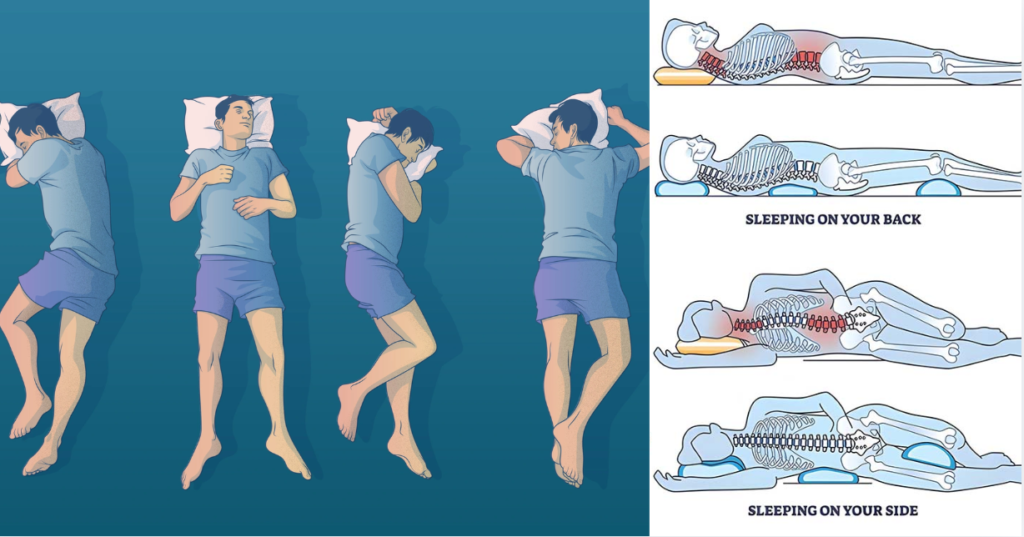
Understanding the Basics of Sleep Positions
Your sleep position can influence more than just comfort—it can affect digestion, heart health, and even breathing. Let’s break down the foundational elements.
Why Sleep Position Matters
Sleeping posture impacts:
- Spinal alignment: Poor posture can cause back or neck pain.
- Digestive health: Gravity affects stomach acid flow and digestion.
- Heart function: Blood circulation is influenced by position.
- Respiratory health: Certain positions can reduce snoring or sleep apnea.
Understanding these factors is the first step toward making an informed choice.
Common Sleep Positions
While this article focuses on left vs. right side sleeping, it’s useful to note the common positions:
- Back sleeping: Neutral for spine but may worsen snoring or acid reflux.
- Stomach sleeping: Can reduce snoring but strains neck and back.
- Side sleeping: Most commonly recommended for overall health benefits.
Side sleeping is the most versatile, with differences between left and right sides that can affect your health in unique ways.
Benefits of Sleeping on the Left Side
Medical research and anecdotal evidence suggest that sleeping on the left side offers multiple health advantages, especially for digestive and cardiac function.
Improved Digestion
Sleeping on your left side can:
- Enhance stomach and pancreatic function
- Promote better nutrient absorption
- Reduce acid reflux and heartburn due to stomach positioning below the esophagus
The left-side position allows gravity to help food move more efficiently from the stomach to the intestines.
Better Heart Health
The left side supports optimal blood flow:
- Facilitates easier circulation for the heart
- Reduces strain on veins and arteries
- May benefit individuals with heart conditions by enhancing blood return
Lymphatic Drainage
Sleeping on the left side can help drain lymph fluid, removing toxins and supporting the immune system. Your body’s left side handles most lymphatic drainage, making this position advantageous.
Benefits of Sleeping on the Right Side
While left-side sleeping has distinct advantages, the right side also has specific benefits, particularly for comfort and circulation in some individuals.
Heart Comfort for Certain Conditions
Some people with heart issues may find right-side sleeping relieves pressure on the heart, especially if left-side sleeping causes discomfort or palpitations.
Reduced Snoring and Sleep Apnea
Right-side sleeping can sometimes:
- Keep airways more open
- Reduce snoring in certain individuals
- Help with mild sleep apnea symptoms
Comfort During Pregnancy
Right-side sleeping can provide better blood flow for some pregnant individuals, especially when left-side positioning feels uncomfortable. However, medical guidance generally favors left-side sleeping in later pregnancy for optimal fetal circulation.
Advanced Tips for Optimizing Side Sleeping
Choosing a side is only part of the equation. You can enhance the benefits with these practical strategies.
Pillow Placement
- Use a supportive pillow under the head to align the neck with the spine
- Place a pillow between the knees to reduce hip and lower back strain
- Consider a body pillow to maintain posture and prevent rolling onto your back or stomach
Mattress Selection
- Medium-firm mattresses support side sleeping well
- Pressure-relief foam or hybrid mattresses can reduce shoulder and hip discomfort
Alternating Sides
- Switch sides periodically to prevent muscle imbalance or pressure buildup
- Alternate nightly or every few hours if prone to stiffness
Common Challenges and How to Overcome Them
Even with proper positioning, side sleepers may face issues. Here’s how to troubleshoot them.
Shoulder and Hip Pain
- Use ergonomic pillows or adjust mattress firmness
- Stretch or foam roll muscles before bed
Acid Reflux and Heartburn
- Sleep slightly elevated on the left side for better stomach positioning
- Avoid heavy meals 2–3 hours before bedtime
Discomfort During Pregnancy
- Place a pillow under the abdomen and between the knees
- Consult your healthcare provider for personalized advice
Maximizing Sleep Benefits for Whole-Body Health
Side sleeping, when optimized, can boost overall wellness.
Support Spinal Alignment
- Align head, neck, and spine to reduce morning stiffness
- Consider side-sleeping accessories for ergonomic support
Promote Digestive Efficiency
- Left-side sleeping naturally aids digestion
- Consistent meal timing paired with this position enhances nutrient absorption
Encourage Restful, Deep Sleep
- Comfortable side sleeping can reduce tossing and turning
- Better sleep quality improves mood, energy, and cognitive function
Quick Answer: Which Side Is Healthier?
For most people, sleeping on the left side is generally considered healthier due to benefits for digestion, heart function, and lymphatic drainage. However, comfort and personal medical conditions matter, so the best side may vary for individuals. Experimenting with pillows, mattress support, and alternating sides can help you find the perfect sleep posture.
Conclusion: Sleep Smarter, Not Just Longer
Your sleep position has a direct impact on health, comfort, and quality of rest. While left-side sleeping provides notable advantages for digestion, heart health, and toxin removal, right-side sleeping may be better for specific comfort or medical reasons. The key is to find a position that supports your body, maintain good posture, and optimize your sleep environment.
By understanding the benefits of each side, making small adjustments with pillows and mattresses, and listening to your body, you can transform your sleep into a powerful tool for overall health. Start tonight—choose a side wisely and wake up feeling refreshed, energized, and ready to conquer your day.
Important Disclaimer: This article is for informational purposes only and should not replace professional advice. For health-related topics, consult healthcare providers. Individual results may vary, and personal circumstances should always be considered when implementing any suggestions.